


Products Description
Power & Efficiency: With a 565W power rating and conversion efficiency of up to 22.6%, this PV module generates more electricity per unit area than standard panels, ensuring optimal energy production even in constrained spaces. Its design leverages high-grade monocrystalline cells (typically 144 cells in a half-cut configuration) to minimize energy loss from internal resistance, enhancing performance in low-light conditions (e.g., dawn, dusk, or overcast days) and partial shading. For example, a 5kW residential system would require just 9 of these panels (565W×9≈5.1kW), reducing the number of modules needed compared to 400W alternatives (which would require 13 panels), thus saving roof space and installation labor.
Durability & Weather Resistance: Built to withstand harsh environmental conditions, the panel features a tempered glass front (2.0mm thick) for impact resistance, an anodized aluminum frame for structural stability, and an IP68-rated junction box to prevent water and dust ingress. It is certified to endure extreme temperatures (-40°C to 85°C), 25mm hailstones, and wind loads up to 2400Pa (equivalent to 140km/h winds), ensuring longevity in coastal, desert, or high-altitude regions. Backed by a 25-year linear performance warranty (guaranteeing ≥83% of initial output after 25 years) and a 10-year product warranty, it offers long-term reliability for both small and large-scale installations.
Thermal Management: The module incorporates a low temperature coefficient (-0.34%/°C), meaning its efficiency drops minimally as temperatures rise-critical for hot climates where heat can degrade performance. This design ensures consistent output even on sunny summer days, outperforming panels with higher temperature coefficients. Additionally, the half-cut cell layout (if applicable) reduces heat accumulation by distributing energy more evenly across the panel, further mitigating efficiency losses.
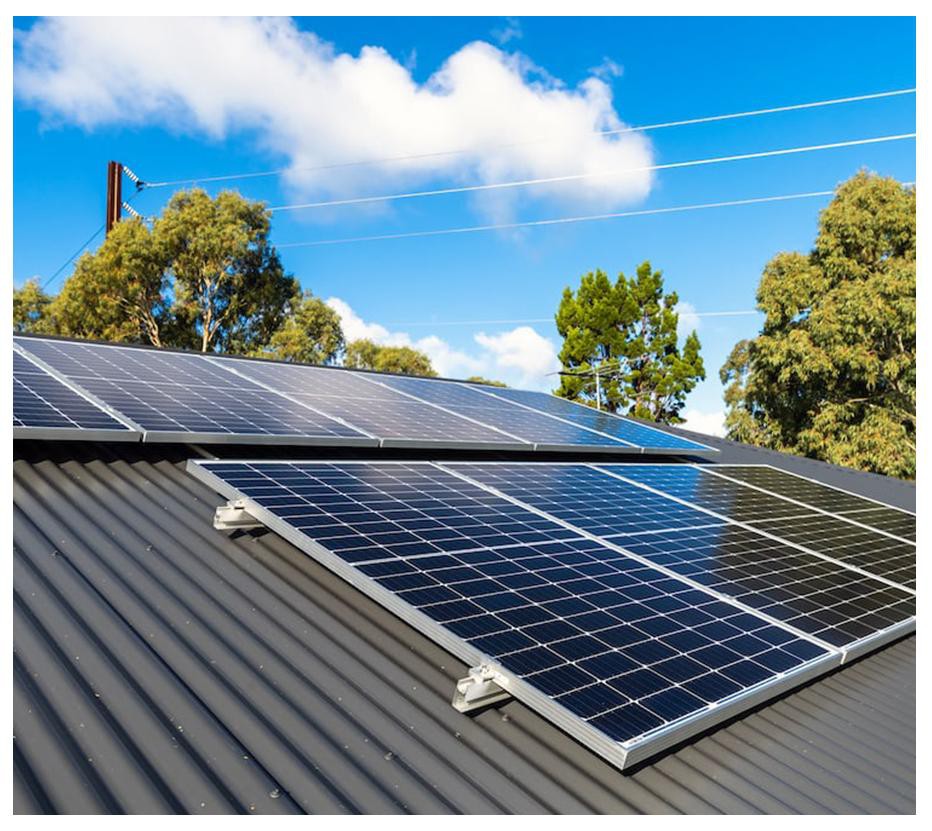
Installation & Compatibility: With standard dimensions (approximately 2270×1130×30mm) and a weight of ~27kg, the panel is easy to handle and install on rooftops (tilted or flat) or ground-mounted systems. It uses universal MC4 connectors for seamless integration with mainstream inverters (string, micro, or hybrid) and mounting hardware, making it compatible with both new installations and system upgrades. Its high wattage also reduces the number of interconnections needed, lowering wiring complexity and potential points of failure in large arrays.
Products parameters
|
Module |
WN 550-580W - 36MH | ||||||||
|
Max Power Pmax(W) |
550 | 560 | 565 | 570 | 580 | ||||
|
Max Power Voltage(Vmp/V) |
41.50 | 41.77 | 41.92 | 42.07 | 42.37 | ||||
|
Max Power Current(Imp/A) |
13.26 | 13.41 | 13.48 | 13.55 | 13.69 | ||||
|
Open Circuit Voltage(Voc/V) |
50.21 | 50.47 | 50.60 | 50.74 | 51.02 | ||||
|
Short Circuit Current(Isc/A) |
14.00 | 14.15 | 14.23 | 14.31 | 14.47 | ||||
|
Module Efficiency(%) |
21.29 | 21.68 | 21.87 | 22.07 | 22.45 | ||||
|
Power Tolerance(W) |
0 ~ + 3 %
|
||||||||
|
Operating Temperature
|
-40 °C ~ +85 °C
|
||||||||
|
Max Series Fuse Rating
|
30 A
|
||||||||
Products Overview


| Product Specification | |
| Module Size |
2278×1134×30
|
| Weight | 29kg |
| Cell Type |
N- type Mono
|
| Junction Box | IP68 |
| Connector | PV Connector |



Technique
-
The frames of solar panels are designed to have a low profile. A low-profile frame reduces the overall height of the panel, making it more suitable for installations where space is limited, such as on flat rooftops or in areas with height restrictions.
-
The panel manufacturing includes a step of hermetic sealing. The encapsulation and backsheet are designed to provide a hermetic seal around the solar cells. This seal prevents the ingress of moisture, oxygen, and other contaminants, ensuring the long-term stability and performance of the cells.
Factory
-
We have a quality feedback loop in our factory. Customer feedback, as well as internal quality inspection results, are collected and analyzed. Based on this analysis, corrective and preventive actions are taken to address any quality issues. This feedback loop helps us continuously improve the quality of our solar panels and ensure that our customers receive products that meet or exceed their expectations.
-
The factory's packaging design is not only focused on protecting the solar panels during transit but also on presenting them in an attractive and informative way. We use sustainable packaging materials and incorporate branding and product information on the packaging. This helps us enhance our brand image and provide customers with valuable information about the product they are receiving.
-
Our factory has a strong commitment to corporate social responsibility. In addition to our environmental and community initiatives, we also support local charities and social causes. We encourage our employees to volunteer and participate in these activities, creating a positive impact in the communities where we operate.
FAQ
How does the cost of the panel compare to the cost of other renewable energy technologies?
Compared to some other renewable energy technologies like wind turbines, solar panels generally have a lower upfront cost for small to medium-sized installations. Wind turbines are more suitable for large-scale power generation and require significant space and infrastructure. For residential and small commercial applications, solar panels are often a more cost-effective and practical option. However, in some areas with very high wind resources, wind energy may be more competitive in terms of cost per unit of electricity generated.
What is the cost of adding a battery storage system to it?
The cost of adding a battery storage system can vary widely. A basic home battery storage system might cost between $3,000 and $10,000, depending on the capacity and brand. The cost includes the battery itself, the inverter (if needed), and the installation. Adding a battery storage system can increase the overall cost of the solar panel installation but also provides the benefit of energy storage for use during power outages or at night when the panel is not generating electricity.
Hot Tags: 565w pv module solar panels, China 565w pv module solar panels manufacturers, suppliers, solar panel output voltage, pv solar panels, 335 watt solar panel, High Efficiency Mono Solar Panel, kings solar panel, 500W Super Power Solar Panel


