


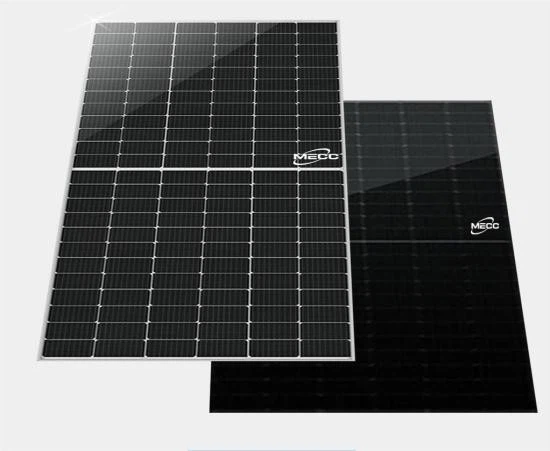


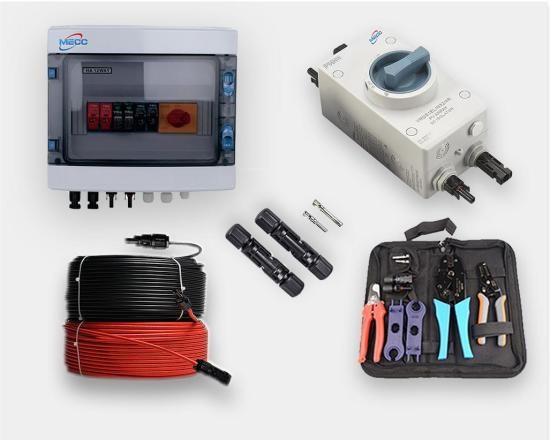


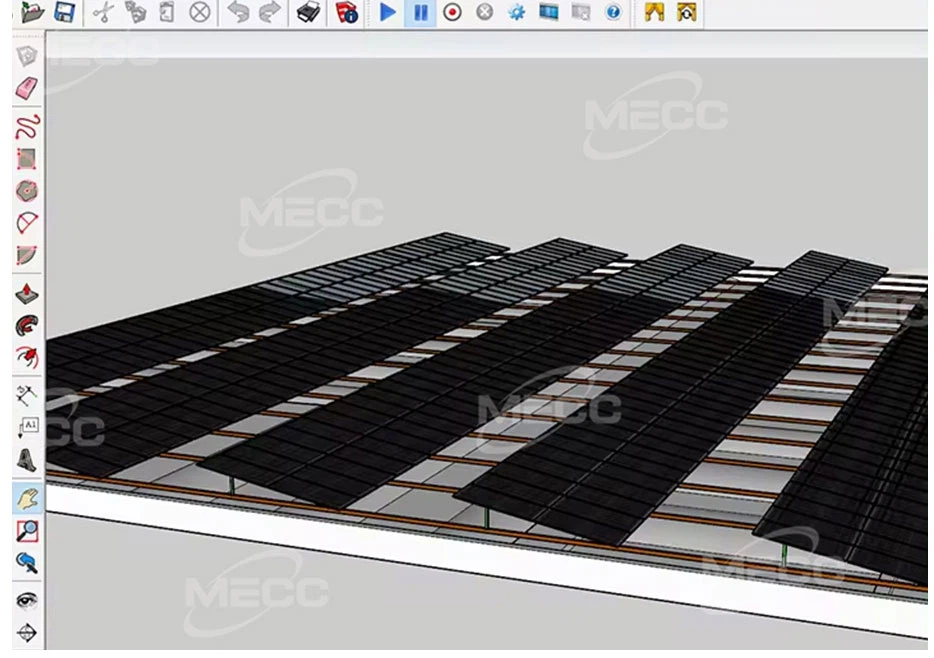


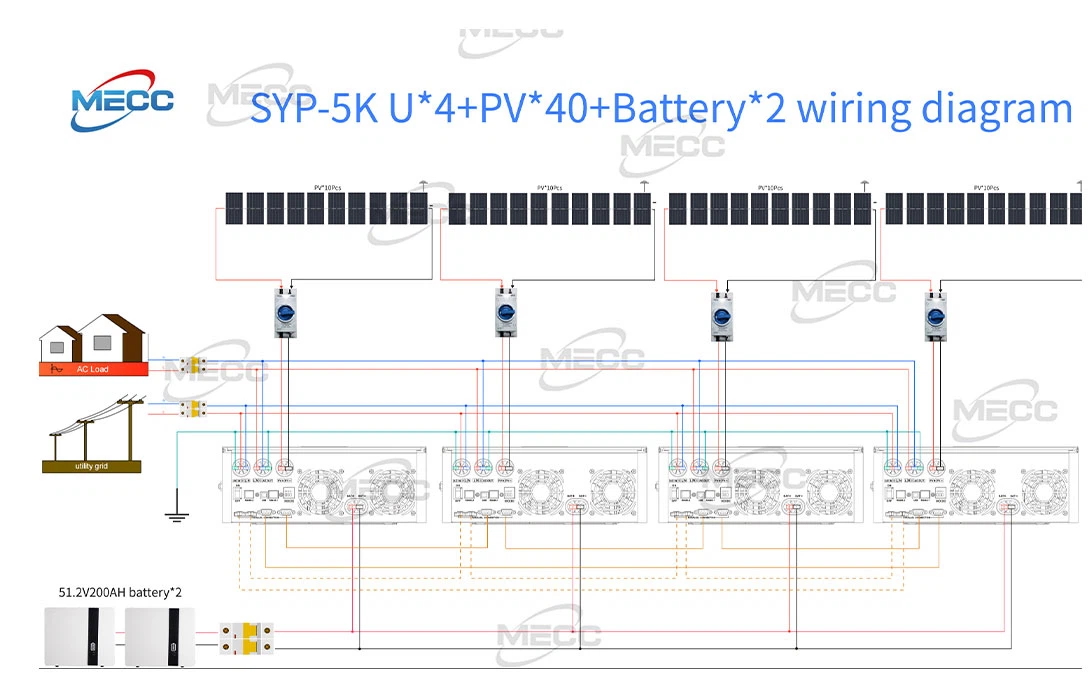












TOPCON N Type Bifacial Solar Panel:
Power : 590 W-710W
Power tolerance : 0 to +5 W
Warranty : 30 years
CE/TUV/ISO/intertek
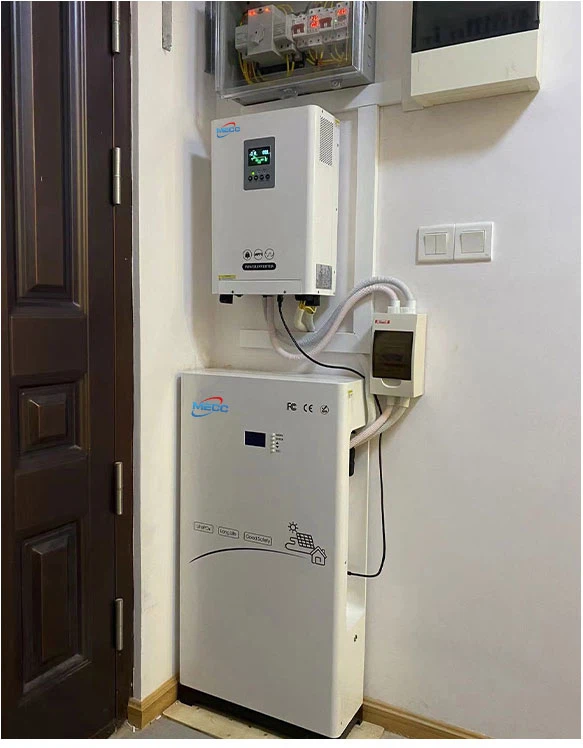
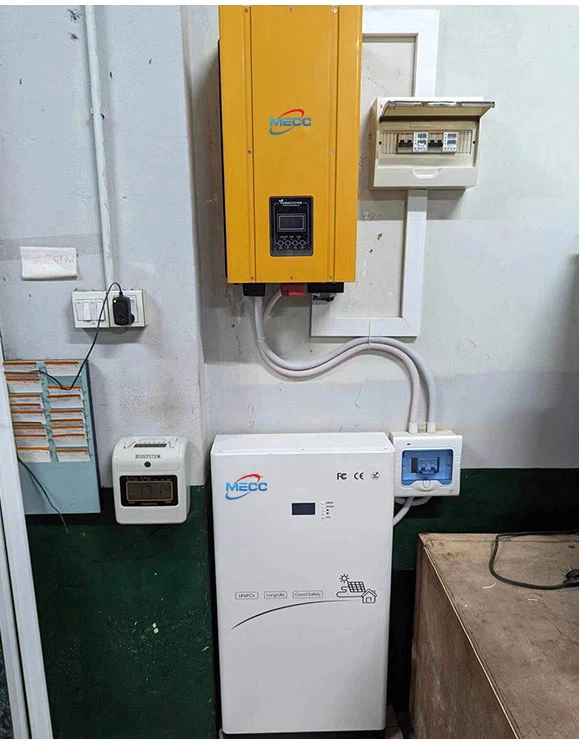
Inverter power : 3-30 kW
Output : Single phase 220/230V Split Phase 120/240V
IP21 Warranty : 2 years
IP65 Warranty : 5 years
CE/TUV/EN-50549
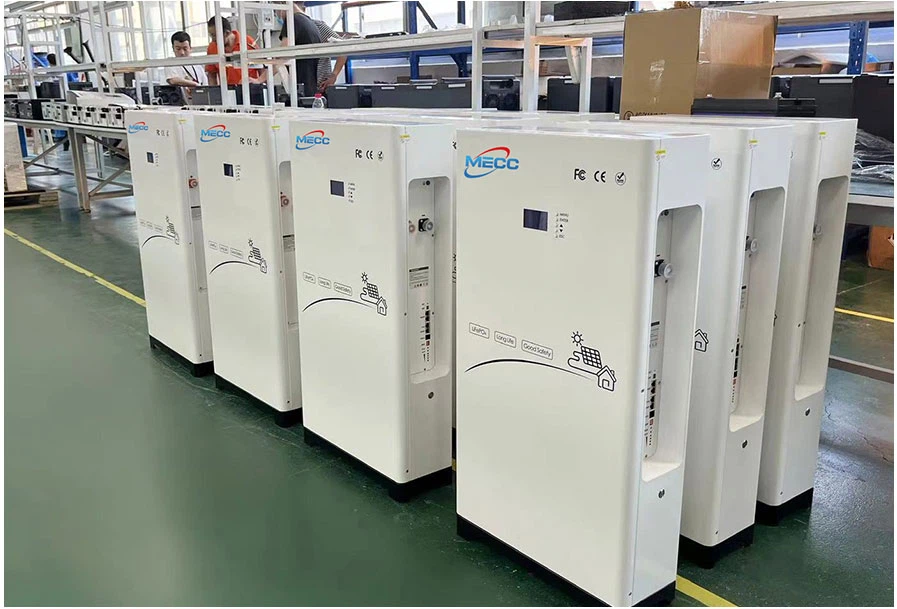
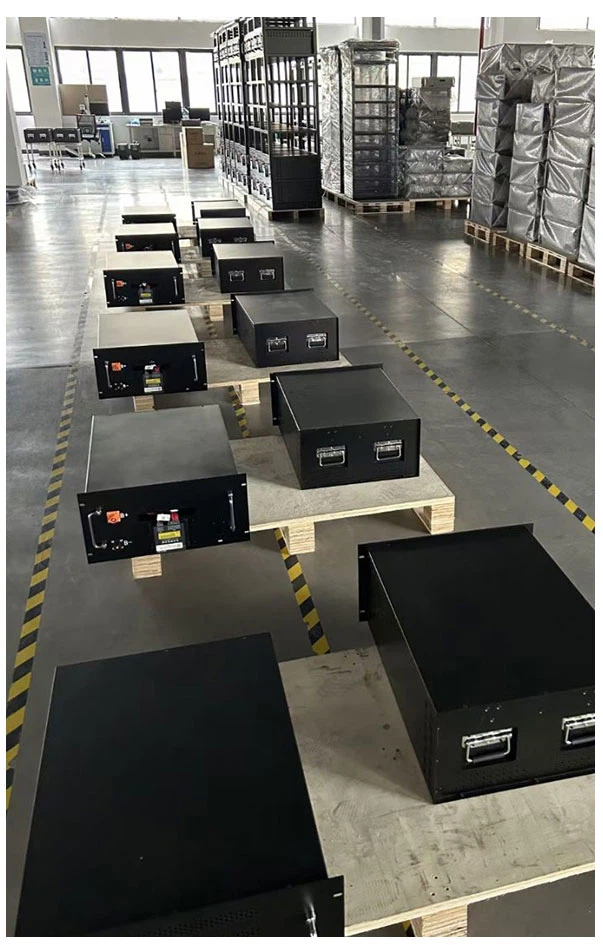
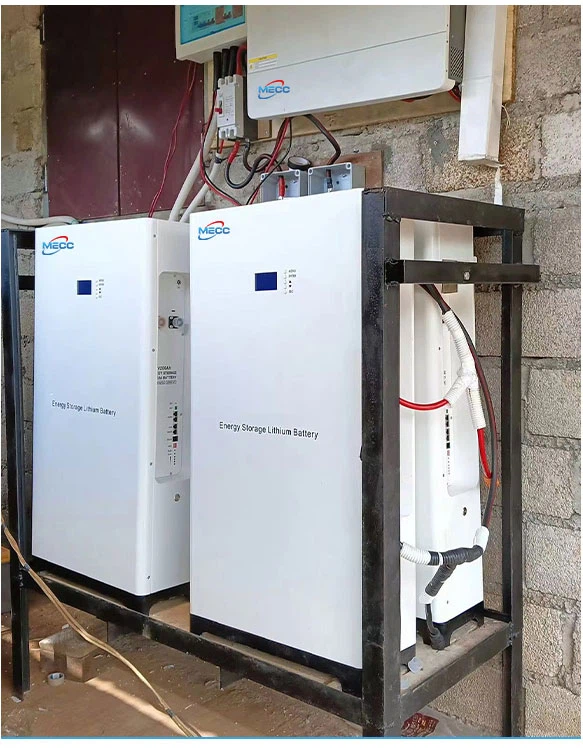
LiFePO4 Battery Power : 5-60 KWH (0.5C)
Battery Voltage : 48/51.2V 100-314AH
Cycle times :6000+
Warranty : 5 years
CE/MSDS/UN38.3
Hybrid solar systems in agricultural applications are a game-changer. Farms, often located in remote areas, can benefit from the combination of solar power and diesel generators. Solar energy powers irrigation systems during the day, reducing reliance on expensive diesel fuel. The generators serve as backup for cloudy days or when additional power is needed for peak farming activities like harvesting. Moreover, the excess solar power can be used to charge electric vehicles used on the farm, further cutting down on operating costs and emissions. This integrated approach helps farmers boost productivity while safeguarding the environment, making hybrid solar a vital tool for sustainable agriculture.
In hybrid solar systems, the control systems that manage the complex interplay between solar power, backup generators, and the grid are a marvel of modern engineering. These control systems are powered by advanced microprocessors and run sophisticated software algorithms. They continuously gather real-time data on solar generation, which can fluctuate rapidly due to changing weather conditions. The battery state of charge is constantly monitored, ensuring that the batteries are neither overcharged nor depleted too much. Grid availability is tracked, and power demand is analyzed based on the connected loads. Using this wealth of information, the control system makes intelligent decisions. For example, if the solar generation is high and the battery is fully charged, it can sell excess power back to the grid, earning credits for the user. If the sun goes behind a cloud and solar output drops, and the battery state of charge is low, it can automatically start the backup generator to maintain power supply. This seamless coordination ensures that the hybrid solar system operates efficiently and reliably, meeting the energy needs of diverse applications.
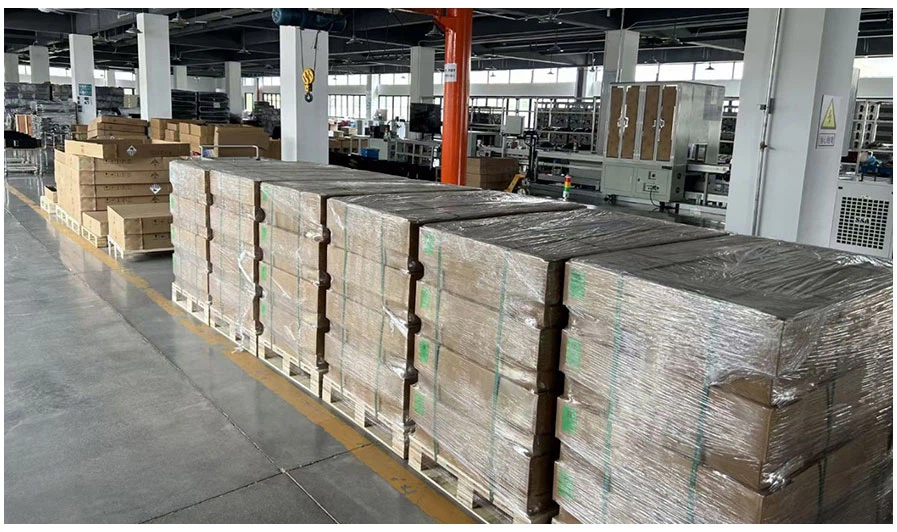
At our solar system factory, we are building a sustainable future. The workforce is diverse and inclusive, bringing together different perspectives and skills. The production of solar systems is a team effort, with each member playing a crucial role. We have a dedicated quality control laboratory where each solar component is scrutinized under strict parameters. Our solar panels are designed to last for decades, withstanding the test of time and various environmental factors. We also engage with local communities to promote solar adoption, providing educational resources and hosting events. This community involvement, combined with our top-notch manufacturing capabilities, has made us a positive force in the renewable energy movement.
FAQ
How often should I clean my solar panels?
The frequency of cleaning depends on your local environment. In areas with low dust and pollution, like some coastal regions or relatively clean suburbs, cleaning once or twice a year may be sufficient. In more arid regions with high dust levels, deserts, or areas near industrial sites where there is a lot of particulate matter in the air, panels may need to be cleaned every 1 - 3 months. Additionally, if you notice a visible buildup of dirt, bird droppings, or pollen on the panels that is obstructing sunlight, it's a good indication that they need to be cleaned sooner. Regular visual checks can help you determine the appropriate cleaning schedule. Some solar panel owners choose to install automated cleaning systems, especially for large commercial installations or in areas where manual cleaning is difficult or time-consuming. These systems can be programmed to clean the panels at set intervals, ensuring optimal performance.
Hot Tags: 3kw off grid solar power system, China 3kw off grid solar power system manufacturers, suppliers
Send Inquiry


