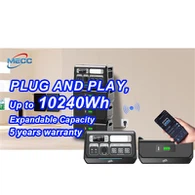
The environmental benefits of off-grid solar cannot be overstated. By generating clean electricity on-site, it eliminates the need for transporting and burning fossil fuels, thereby drastically reducing carbon emissions. This means fewer pollutants in the air, less harm to ecosystems, and a significant step towards a greener future. For conservation areas, national parks, and other pristine locations, off-grid solar is not just a convenience but a necessity. It allows for human activities to coexist with nature without leaving a heavy carbon footprint. Moreover, as technology advances, the cost of off-grid solar systems continues to decline, making them increasingly accessible to a wider range of users, from individual homeowners to small communities looking to embrace sustainable living.
Thin-film solar panels represent a versatile and innovative branch of solar technology. Utilizing materials such as amorphous silicon, cadmium telluride (CdTe), or copper indium gallium selenide (CIGS), these panels are created through advanced deposition techniques. Physical vapor deposition, for instance, involves vaporizing the source materials in a vacuum chamber and allowing them to condense onto a substrate, usually glass or flexible polymers. Chemical bath deposition uses chemical reactions in a liquid solution to deposit the thin layers. The result is an ultra-thin, lightweight panel that can be bent or molded to fit curved surfaces. Their flexibility opens up new applications, from powering portable electronics like camping lanterns and backpack chargers to being integrated into building facades and even clothing. With the potential for large-scale roll-to-roll production, thin-film panels are poised to play a significant role in the future of solar energy, especially in applications where weight and form factor are critical.
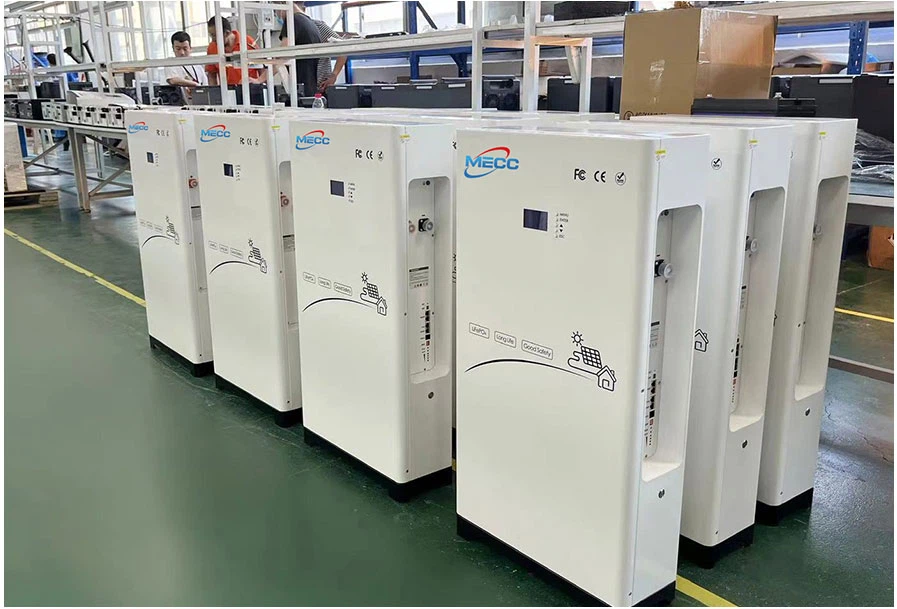
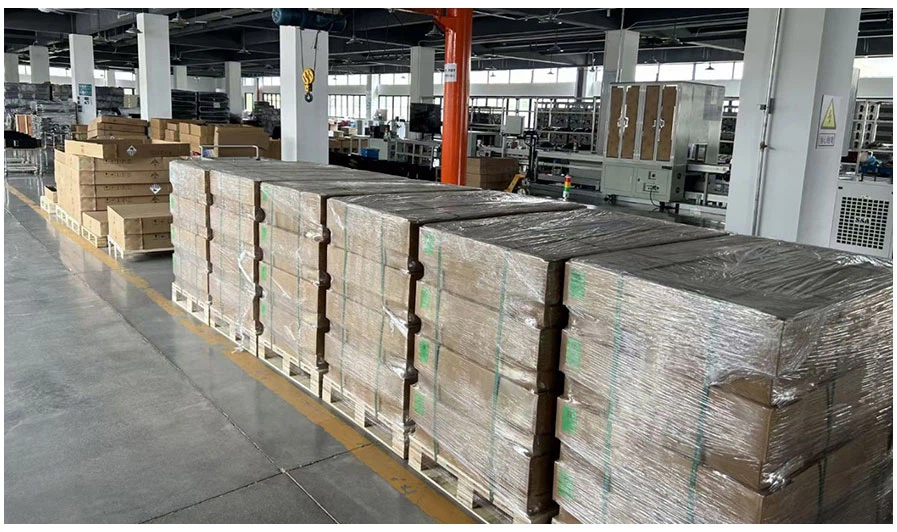
At our solar system factory, we blend technological prowess with environmental consciousness. The layout is optimized to minimize waste and maximize workflow efficiency. Automated conveyor belts whisk components from one workstation to another, while sensors along the way monitor for any defects. Our solar panels are not only engineered for high energy conversion but also built to withstand harsh weather conditions, having passed rigorous tests simulating extreme heat, cold, wind, and humidity. The R&D wing is constantly abuzz with activity as researchers tinker with novel concepts, such as integrating energy storage capabilities directly into the panels. This forward-thinking approach, along with our comprehensive after-sales service that ensures prompt technical support, has made us a trusted name for those looking to harness the power of the sun.
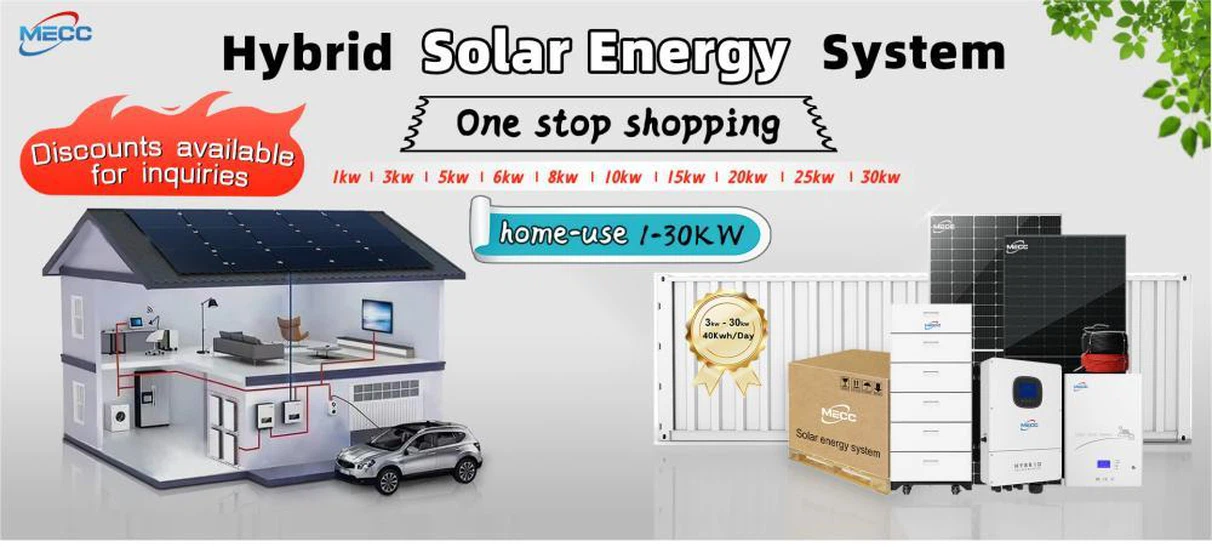
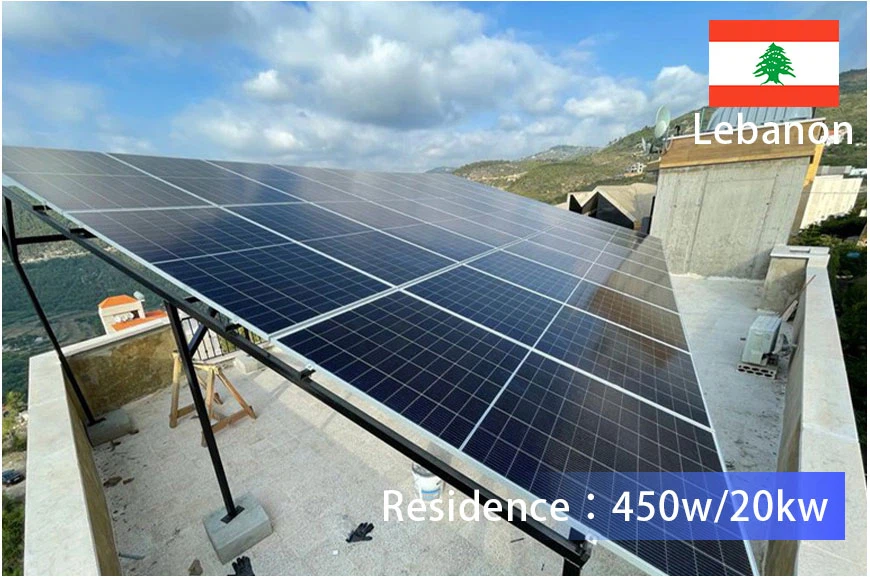
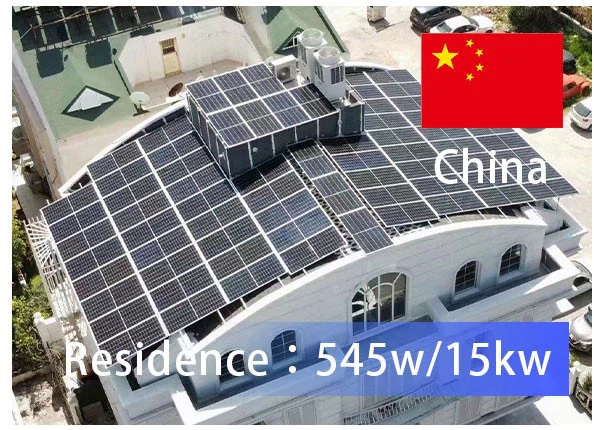
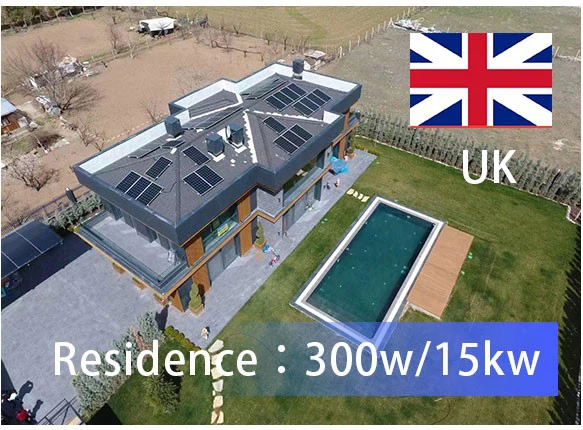
| Item | 3kw | 5kw | 8kw | 10kw | 15kw | 20kw | 30kw |
| Mono Solar Panel 550W (pcs) | 6 | 10 | 16 | 20 | 30 | 40 | 60 |
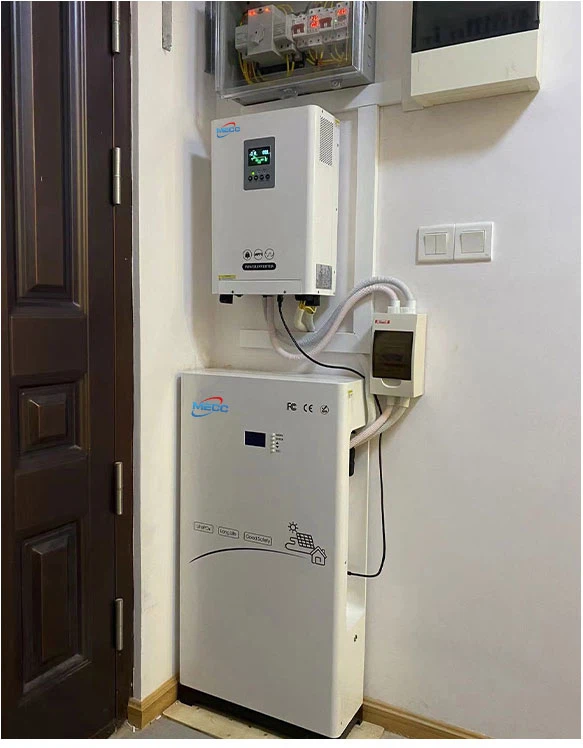
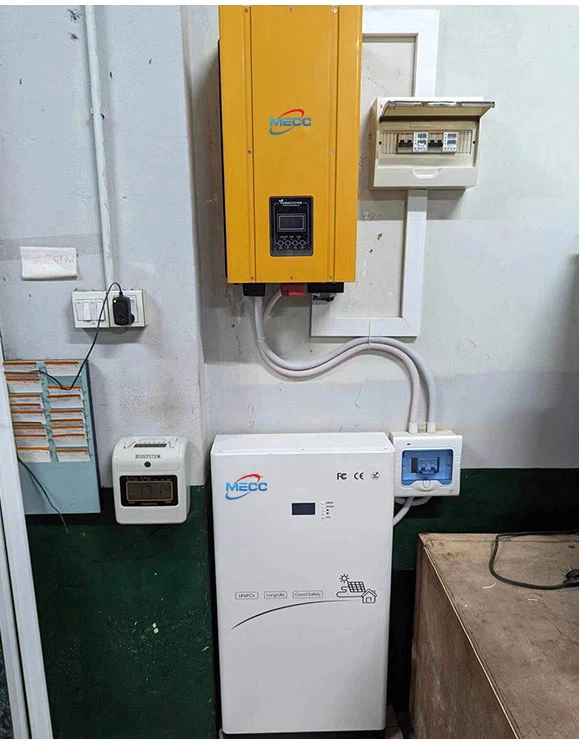
| Hybrid / Off-grid Inverter | 110V/220V 220V 380V 50 - 60HZ 3KW 5KW 8KW 10kw 12kw 15kw 20kw 30kw |
||||||
| Bracket | Ground/Roof mount | ||||||
| PV Combiner box | N in 1 out | ||||||
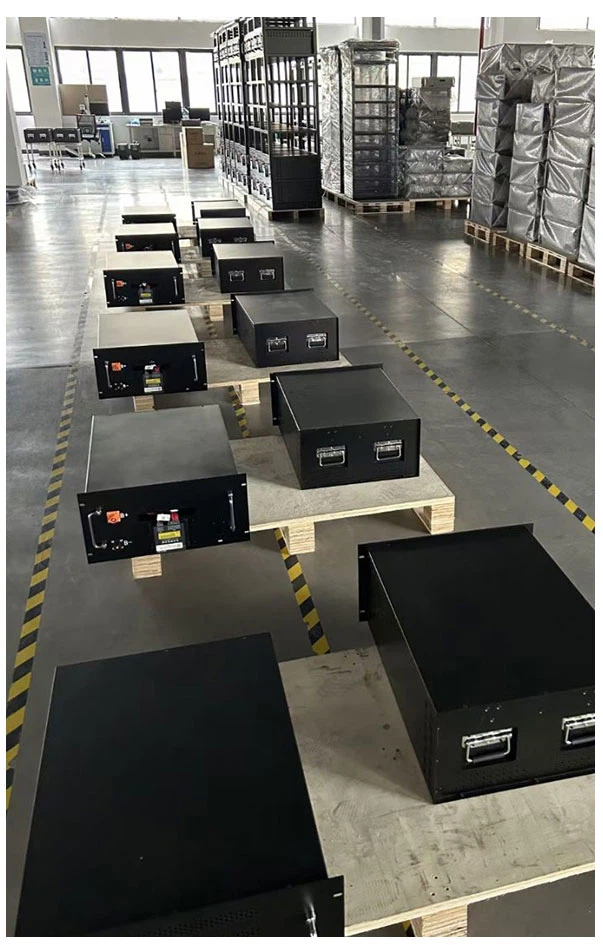
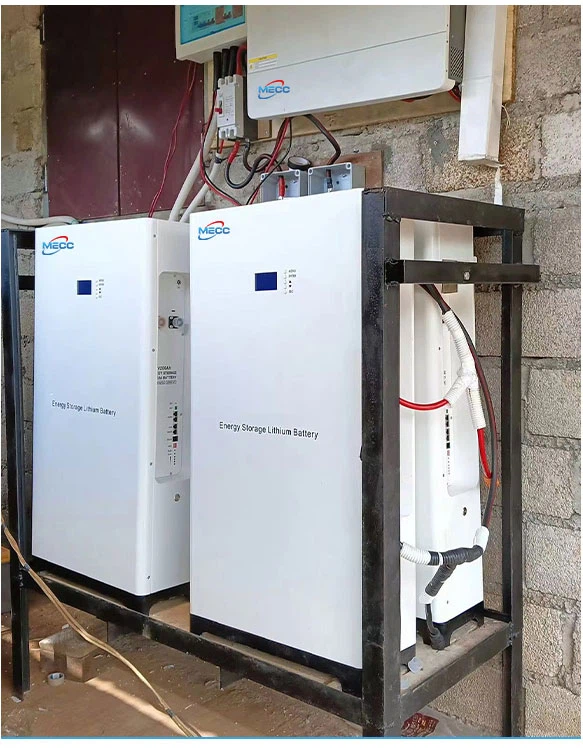
| Battery | Lithium Battery BMS ; GEL Battery | ||||||
















FAQ
What is the difference between monocrystalline and polycrystalline solar panels?
Monocrystalline solar panels are made from a single, continuous crystal structure of silicon. The manufacturing process involves growing a large silicon crystal and then slicing it into wafers. These panels have a uniform appearance with a dark, almost black color. Due to the high purity and ordered crystal structure, they tend to have higher conversion efficiencies, often reaching up to 22% or more in laboratory conditions and around 18% - 20% in real-world installations. However, the production process is more complex and energy-intensive, making them more expensive. Polycrystalline panels, on the other hand, are made from multiple silicon crystals that are melted and poured into molds to form wafers. They have a speckled or mosaic-like appearance and are usually blue in color. Their efficiency is slightly lower, typically ranging from 15% - 18% in practice, but they are more cost-effective as the manufacturing process is simpler and uses less energy. They are a popular choice for budget-conscious consumers who still want to harness solar power.
Hot Tags: off grid inverter systems, China off grid inverter systems manufacturers, suppliers