


Grid-tied solar systems contribute to the overall stability of the power grid. As more and more of these systems are installed, they act as distributed generators, smoothing out peak demand periods. During hot summer afternoons when air conditioning use spikes, grid-tied solar installations across a neighborhood can supply a significant portion of the electricity needed, reducing the strain on centralized power plants. This decentralized approach not only enhances grid resilience but also paves the way for a more distributed and sustainable energy future, where consumers become active participants in power generation rather than passive recipients.
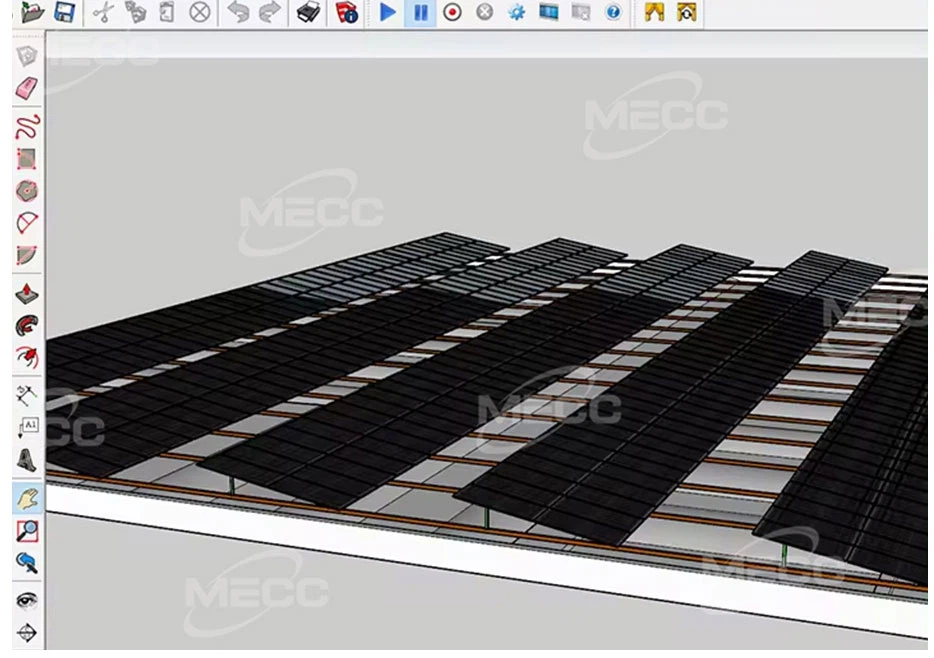
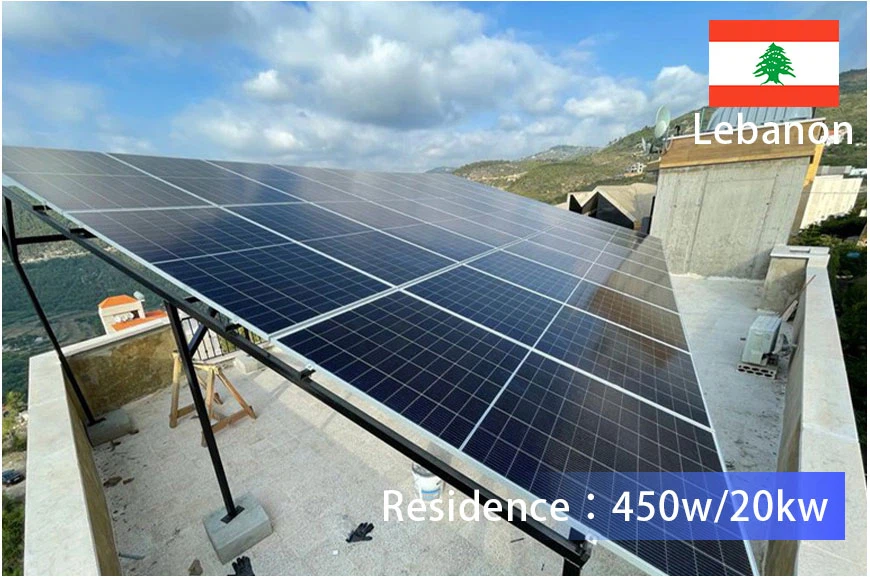
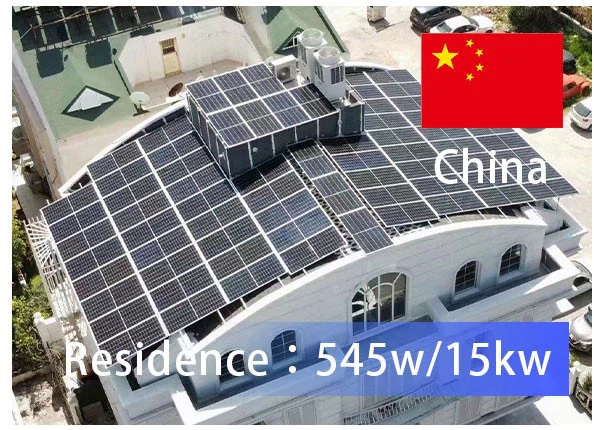
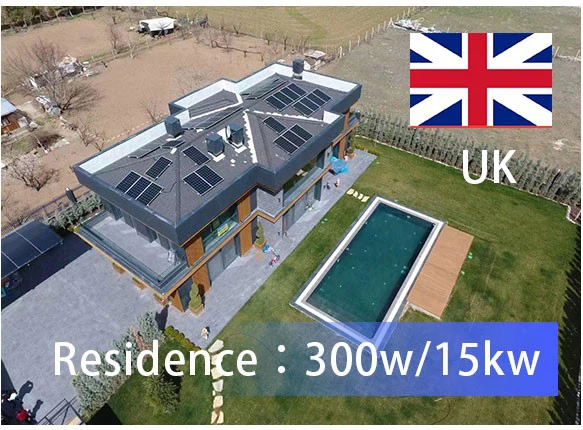
The mounting systems for solar panels are a blend of structural engineering and practical design. For rooftop installations, flush mounts are carefully engineered to integrate seamlessly with the roof. They are typically made of lightweight aluminum or stainless steel and attach firmly to the roof rafters or trusses. The design takes into account the roof pitch, which can vary from region to region and building to building. In areas with heavy snowfall, the mounts may be angled to allow snow to slide off easily, preventing excessive load on the panels. Adjustable mounts, on the other hand, offer greater flexibility. They usually consist of a pivot mechanism and a telescopic leg system. Owners can adjust the tilt of the panels seasonally, optimizing sunlight capture. In the summer, when the sun is higher in the sky, the panels can be tilted at a shallower angle, while in winter, a steeper tilt ensures maximum exposure to the lower-angled sunlight. This simple adjustment can significantly increase the annual energy output of a rooftop solar system.
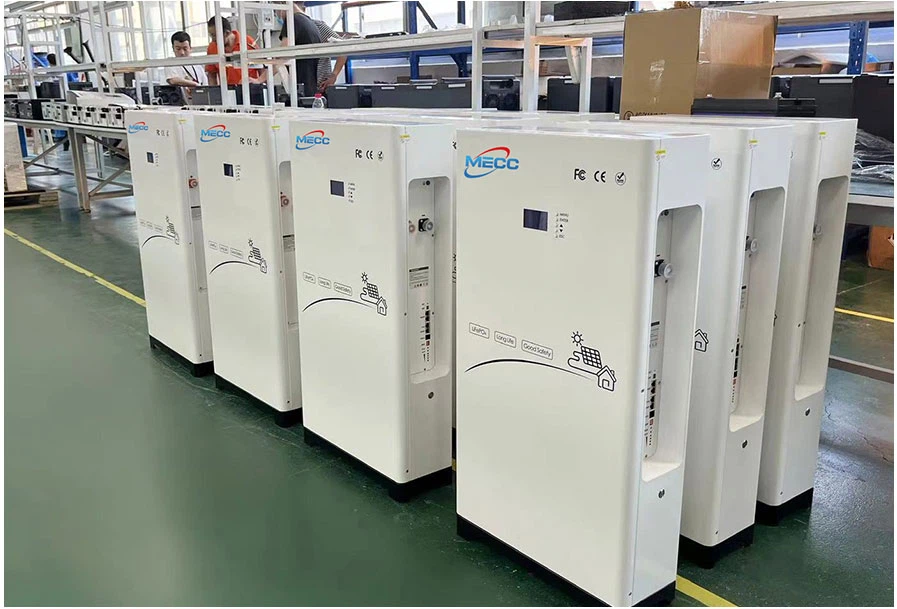
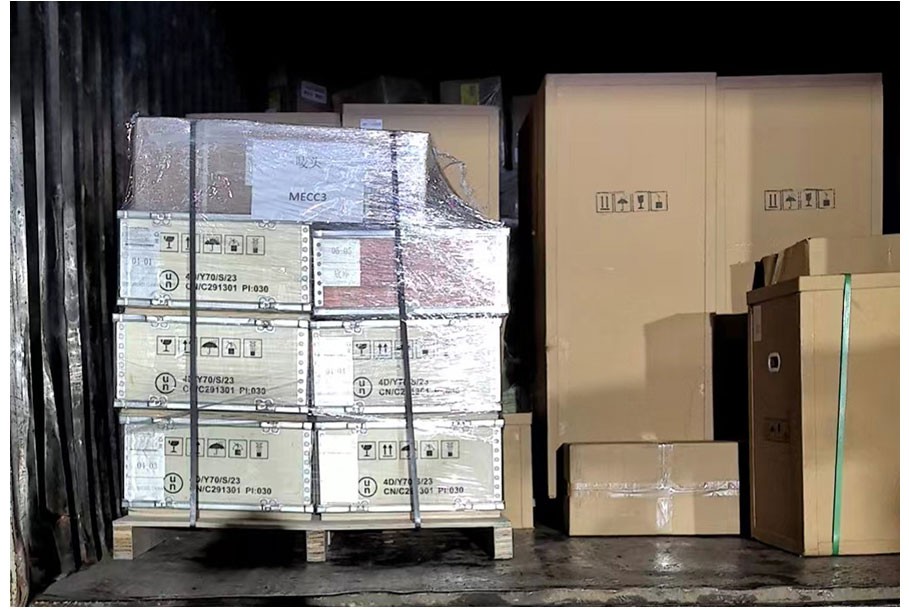
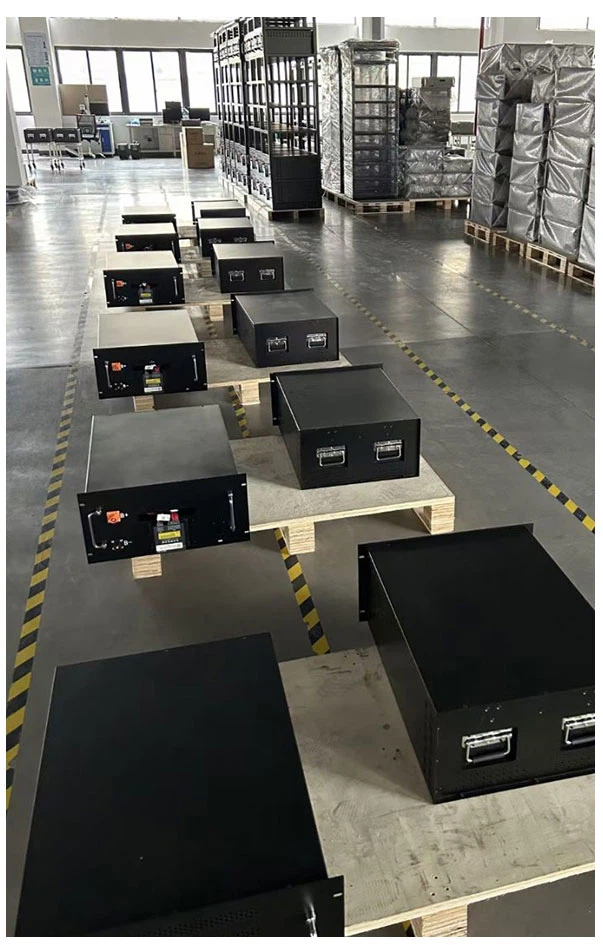
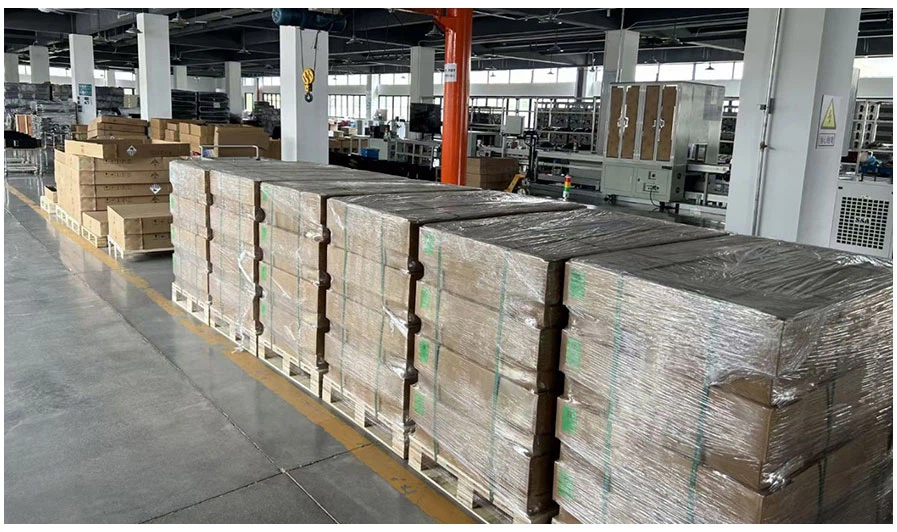
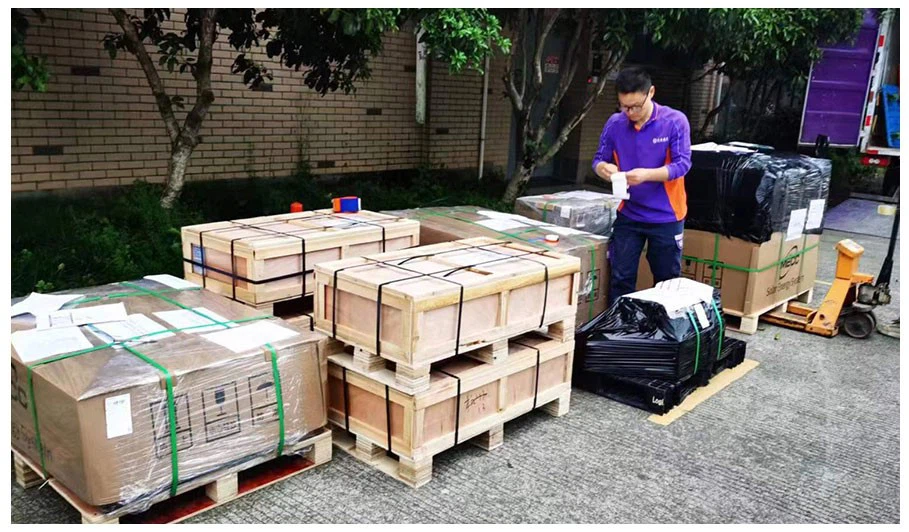
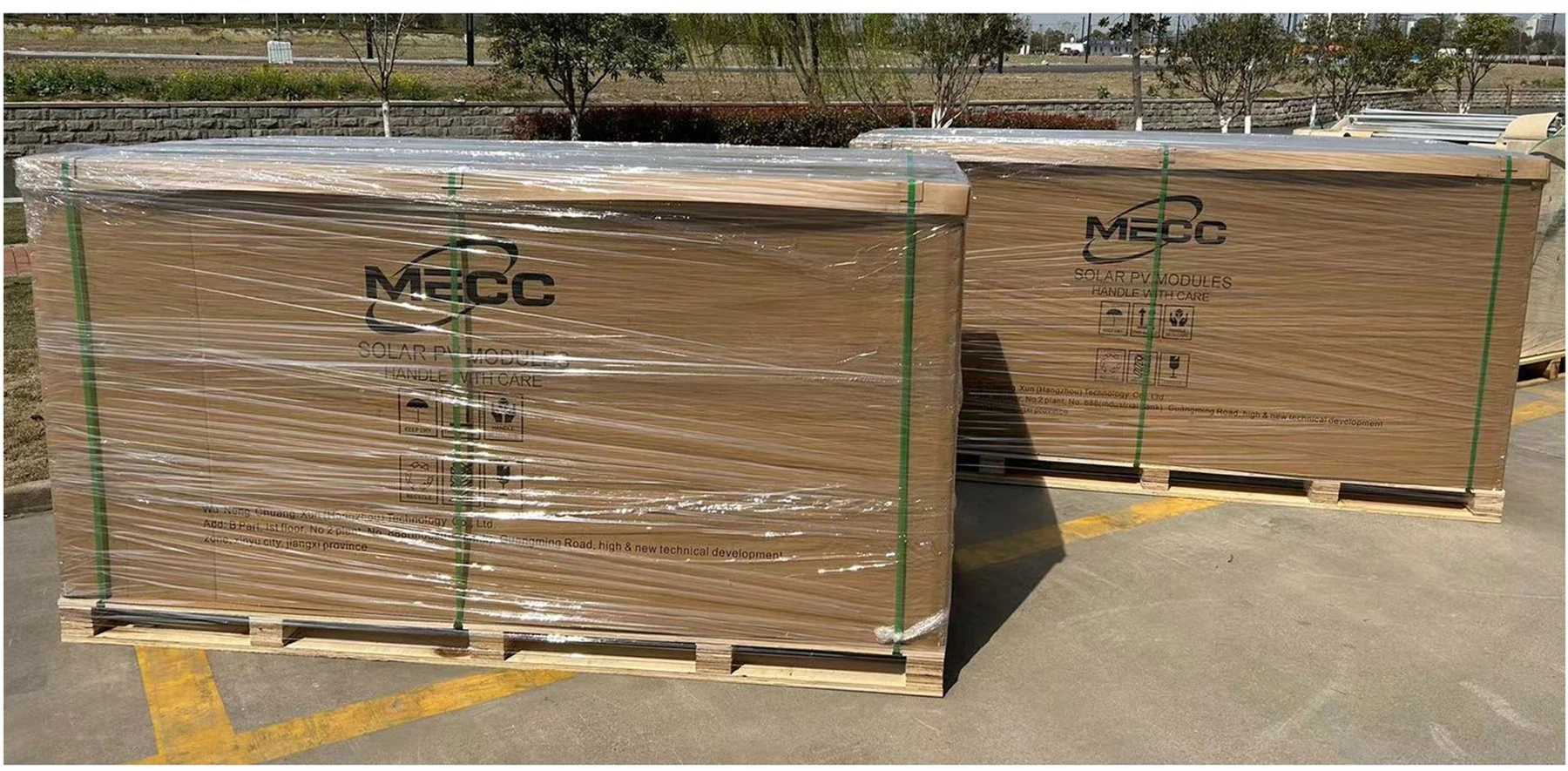
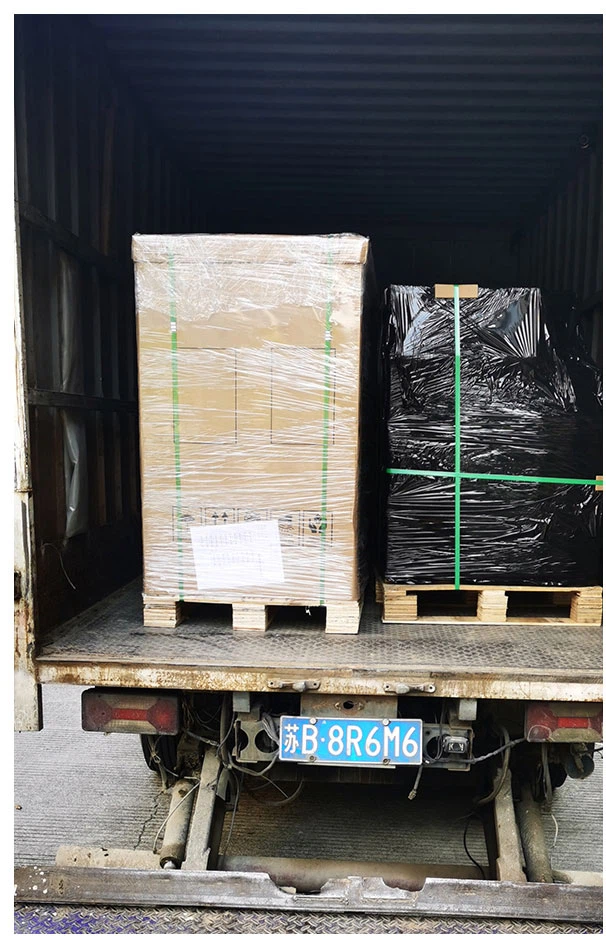
In our solar system factory, we focus on making solar energy accessible to all. We have optimized our production process to reduce costs without sacrificing quality. The facility has a training center where installers and technicians can learn the latest installation and maintenance techniques. Our packaging is designed to protect the products during transit and is also recyclable. We offer flexible financing options for customers, making it easier for them to invest in solar energy. Whether it's a small DIY project or a large commercial installation, we have the expertise and resources to make it happen. Our commitment to customer education and support, along with our high-quality products, has made us a trusted partner in the solar energy revolution.
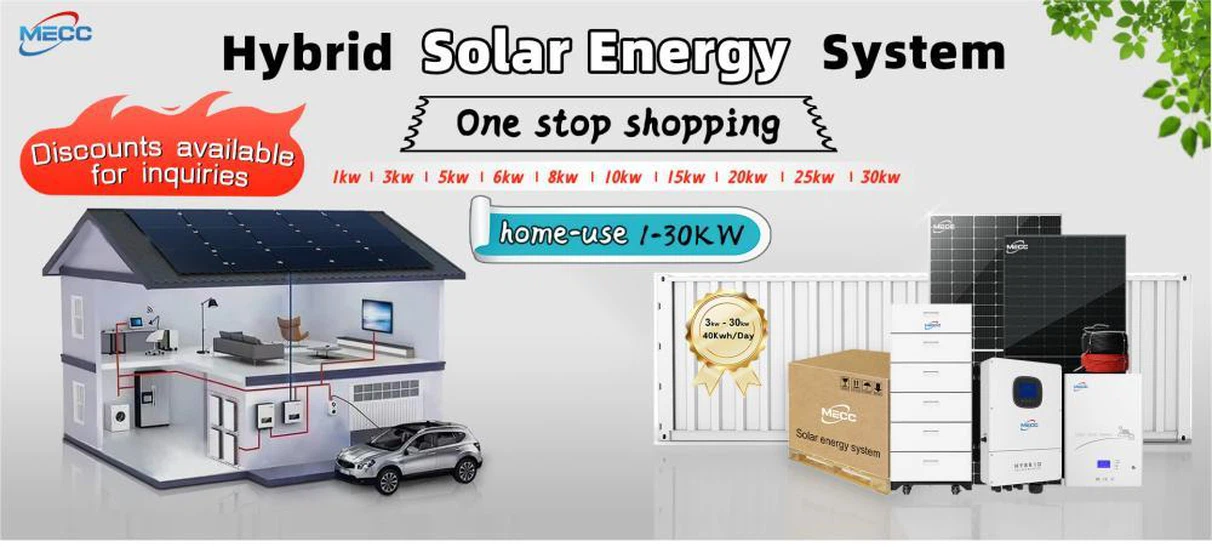
| Item | 3kw | 5kw | 8kw | 10kw | 15kw | 20kw | 30kw |
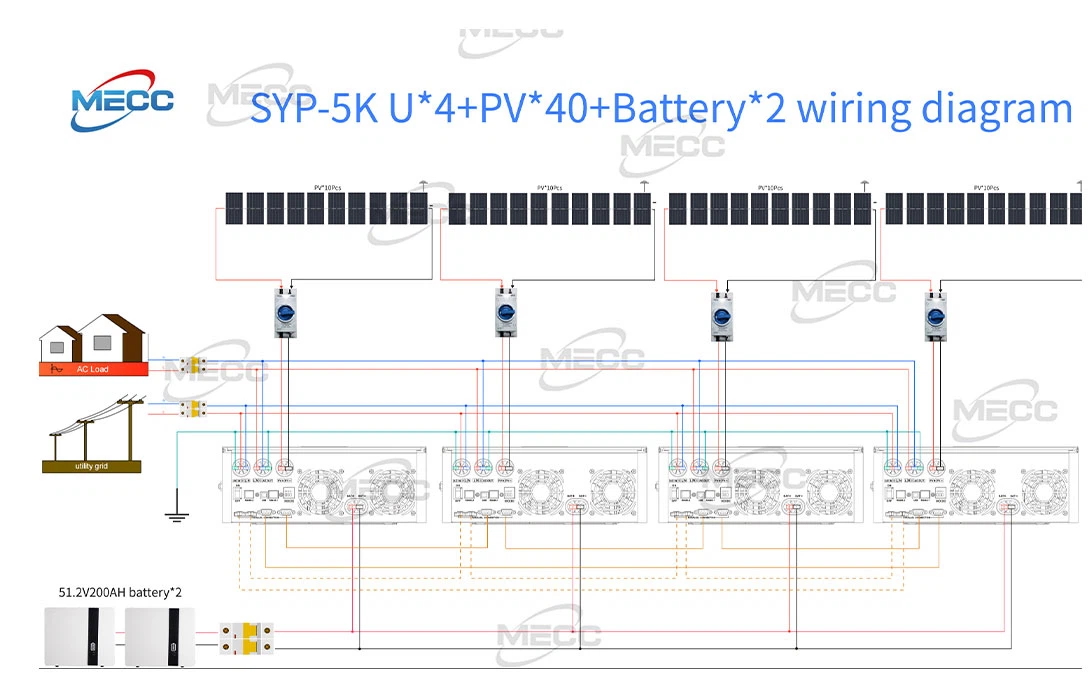
| Mono Solar Panel 550W (pcs) | 6 | 10 | 16 | 20 | 30 | 40 | 60 |
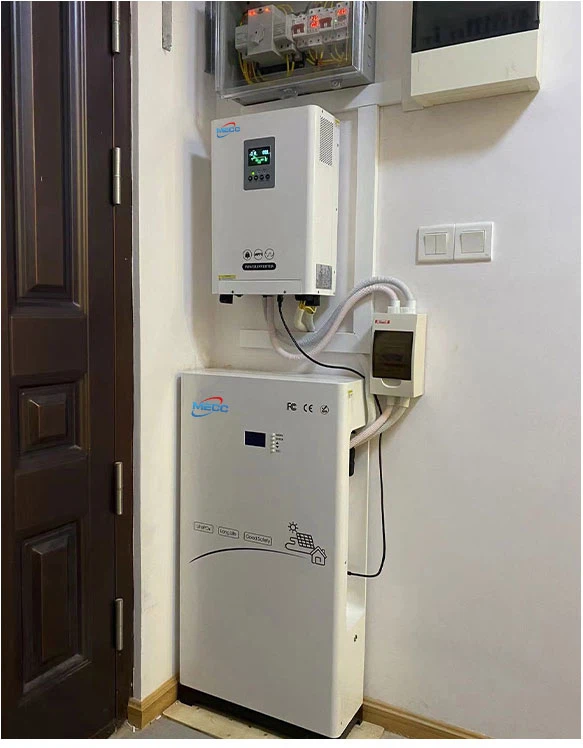
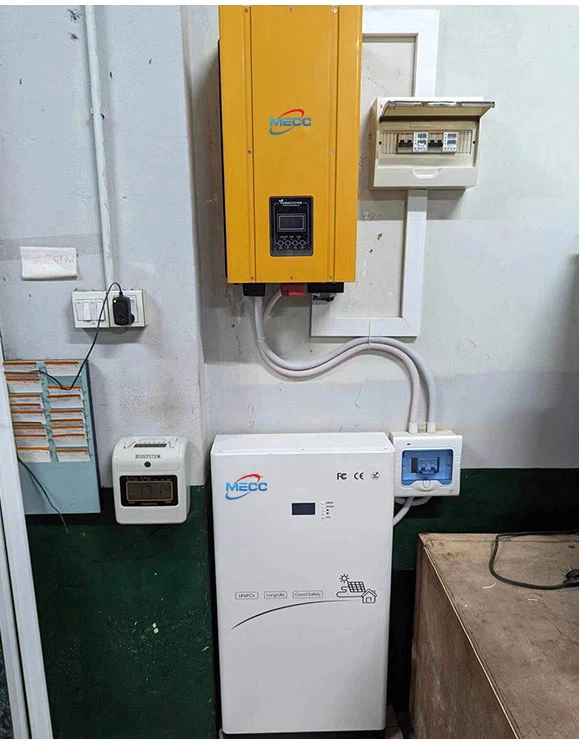
| Hybrid / Off-grid Inverter | 110V/220V 220V 380V 50 - 60HZ 3KW 5KW 8KW 10kw 12kw 15kw 20kw 30kw |
||||||
| Bracket | Ground/Roof mount | ||||||
| PV Combiner box | N in 1 out | ||||||
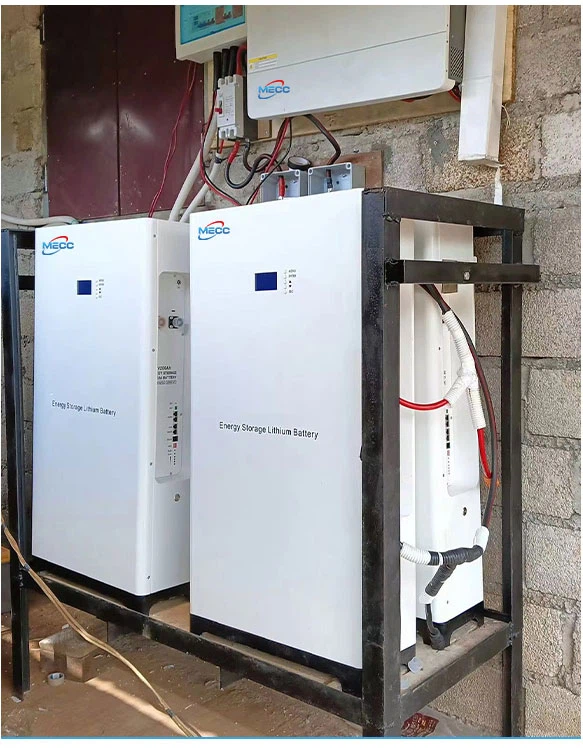
| Battery | Lithium Battery BMS ; GEL Battery | ||||||















FAQ
How long does it take to install a solar system?
The installation time for a solar energy system depends on various factors. For a typical residential installation with an average-sized system (around 5 - 10 kW), it usually takes 1 - 3 days. This includes mounting the panels on the roof, running the electrical wiring, installing the inverter, and making all the necessary connections. However, if there are any complications such as an older roof that requires repairs or reinforcements before installation, or if there are issues with the electrical service panel that need to be addressed, it can extend the process. Larger commercial installations, which can range from hundreds of kilowatts to megawatts in size, are much more complex and can take several weeks. This involves coordinating with multiple contractors, ensuring proper integration with the building's electrical and mechanical systems, and often requires more extensive permitting and inspection processes.
Hot Tags: off grid pv system, China off grid pv system manufacturers, suppliers


