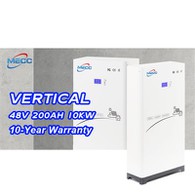
51.2V 100AH server rack lithium iron phosphate battery
Structural Design
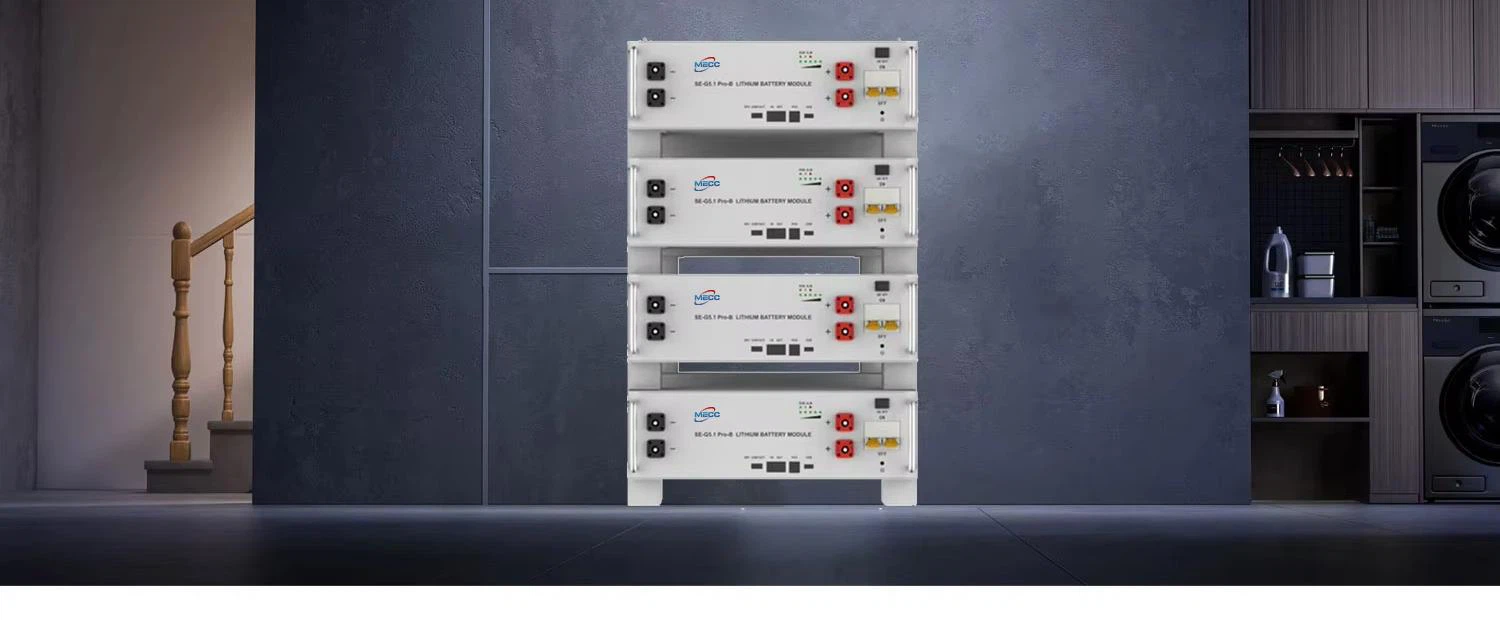
Rack mounted adaptation: specifically designed for installation in standard server racks or cabinets, the size and shape usually match common rack specifications such as 2U, 4U, making it easy to integrate and install in data centers, communication base stations, and other places. It can effectively utilize space and make the layout of energy storage systems more neat and compact.
Modular design: Generally, a modular structure is adopted, consisting of multiple battery modules, each with relatively independent functions and characteristics. This design is not only convenient for production, transportation, and installation, but also for later maintenance and upgrades. When a module has a problem, it can be directly replaced without the need for large-scale disassembly and maintenance of the entire battery system.
Performance characteristics
High energy density: It can store a large amount of electrical energy in a smaller volume and weight. Compared with traditional lead-acid batteries, its energy density is significantly improved. For example, for batteries of the same capacity, rack mounted lithium iron phosphate batteries may have a volume that is only half or even smaller than lead-acid batteries, and are lighter in weight, making them easier to transport and install.
LithiumIron Phosphate (LFP) Battery
Cobalt Free Lithium lron Phosphate (LFP) Battery: Safety and long Lifespan, high efficiency and high power density.
Support high discharge power. IP20, natural cooling, wide temperature range: -20 to 55℃.
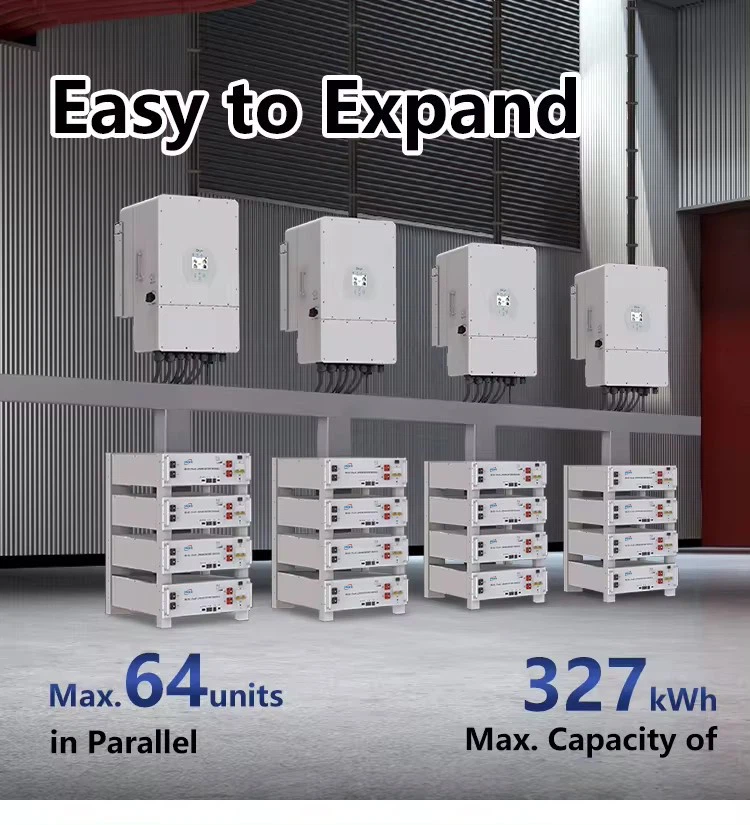
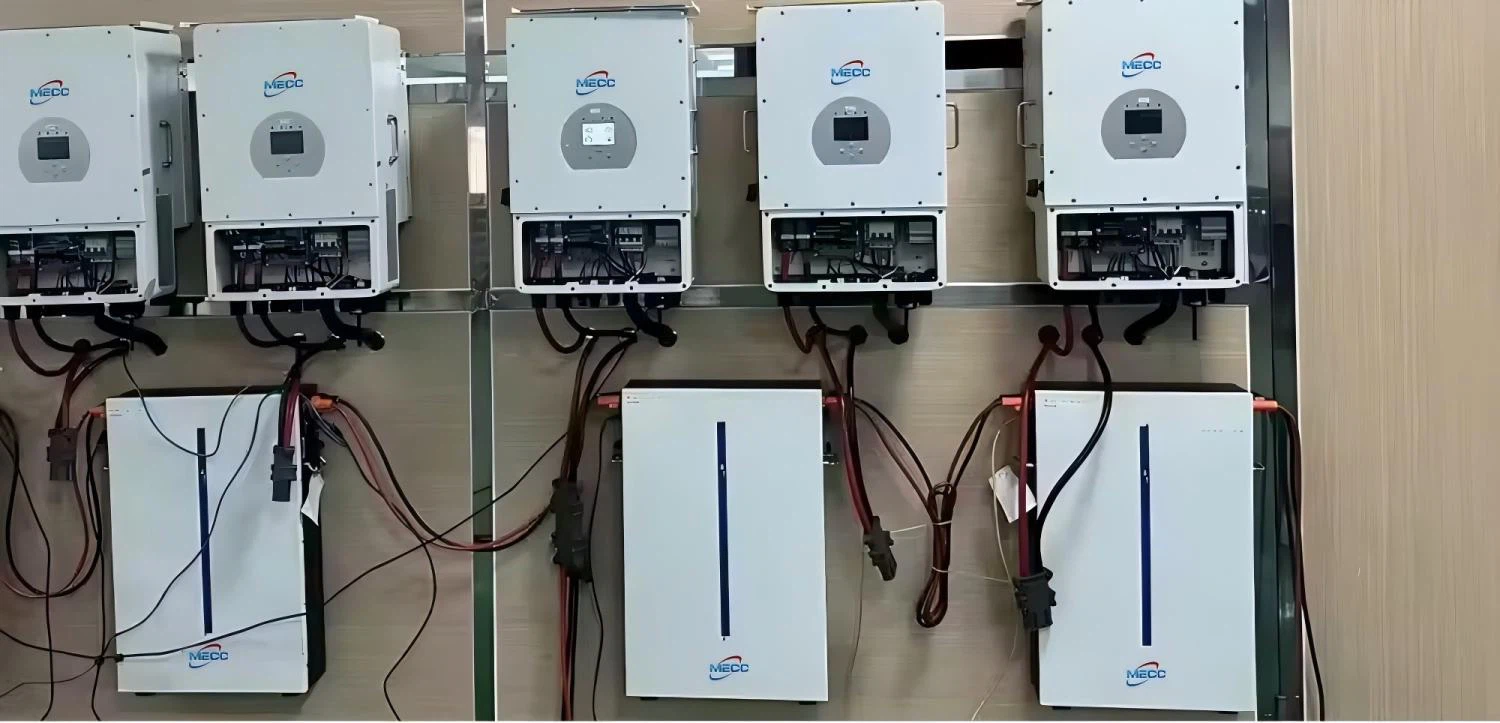
Modular design, easy to expand, Max.64 units in parallel, Max. capacity of 327kwh.
Which is designed for residential and
commercial energy storage applications.
Max. 64 pcs pack (327kWh) in parallel (Max. 32 pcs no external setup)
Storage Temperature
0℃~35℃
Nominal Voltage (V)
51.2
Humidity
5%~95%
Operating Voltage(V)
43.2~57.6
Altitude
≤2000m
Energy (kWh)
5.12
Cycle Life
≥6000(25℃±2℃,0.5C/0.5C,90%DOD,70%EOL)
Usable Energy (kWh)
4.6
Installation
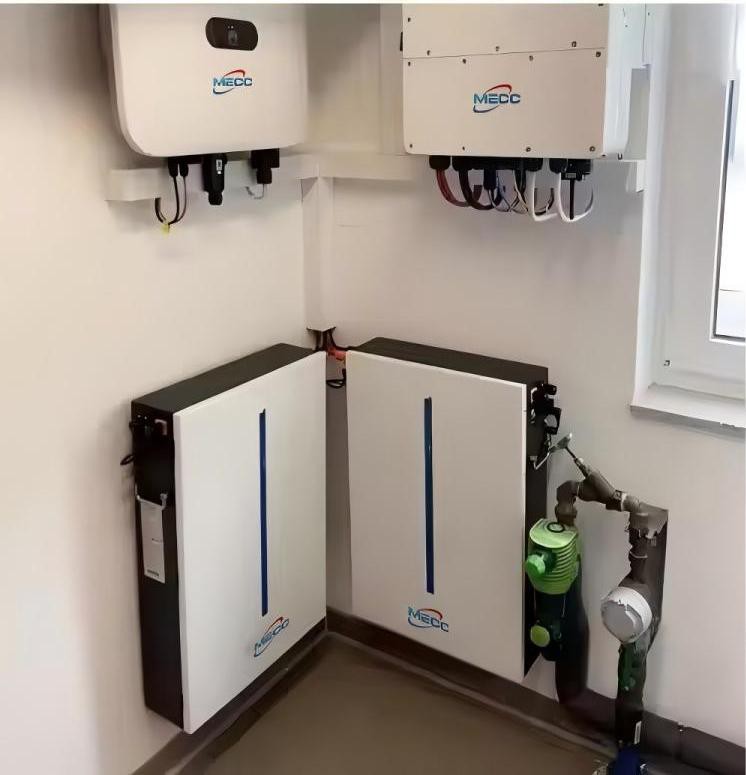
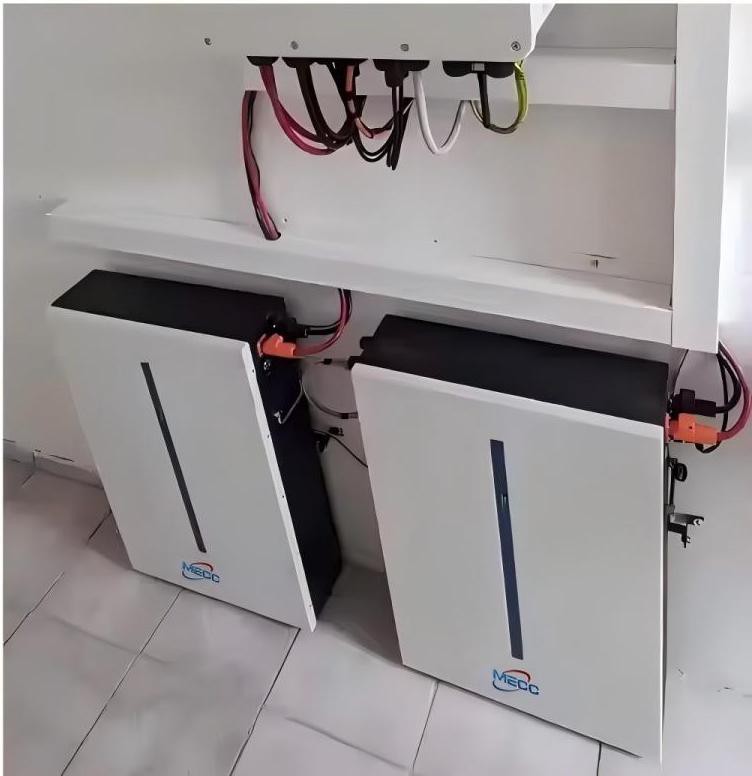
Wall-Mounted, Floor-Mounted, Rack-Mounted (19-inch standard cabinet, cabinet depth ≥600mm )
Charge/Discharge Current (A)
Recommend 50
Communication Port
CAN2.0, RS485
Other Parameter
Warranty Period
10 years
Recommend Depth of Discharge
90%
Energy Throughput
16MWh@70%EOL
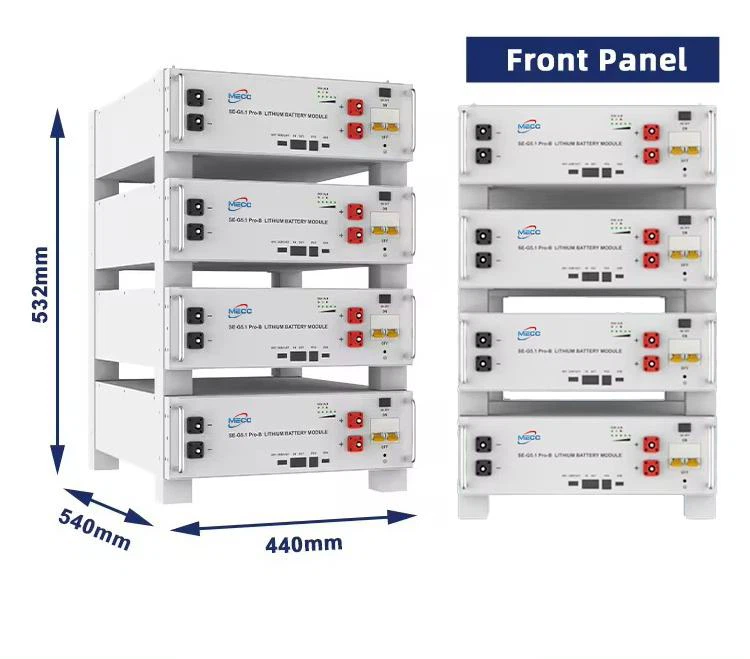
Dimension (W/H/D, mm)
440*133*540
Certification
UN38.3, IEC62619, CE,UK, VDE2510-50, CEI 0-21, FCC, UL1973, UL9540A
FAQ
What are the main advantages of rack lithium iron phosphate batteries compared with traditional lead acid batteries?
Rack lithium iron phosphate batteries have a higher energy density, which means they can store more energy in a smaller volume and weight. They also have a longer cycle life, usually more than 2000 cycles, and some high quality products can even reach about 7000 cycles. In addition, they support fast charging and discharging, have high efficiency, and are more environmentally friendly.
How to ensure the safety of rack lithium iron phosphate batteries?
Firstly, the lithium iron phosphate material itself has good thermal stability and chemical stability. Secondly, a sophisticated Battery Management System (BMS) is equipped. The BMS can monitor key parameters such as voltage, current and temperature in real time and take protection measures immediately when abnormalities such as overvoltage, undervoltage, overcurrent and high temperature are detected.
What is the suitable working temperature range of rack lithium iron phosphate batteries?
Generally, rack lithium iron phosphate batteries can work normally in the temperature range of - 20°C to 60°C. However, the battery performance may decline under extreme temperature conditions, but they can still maintain basic charging and discharging functions.