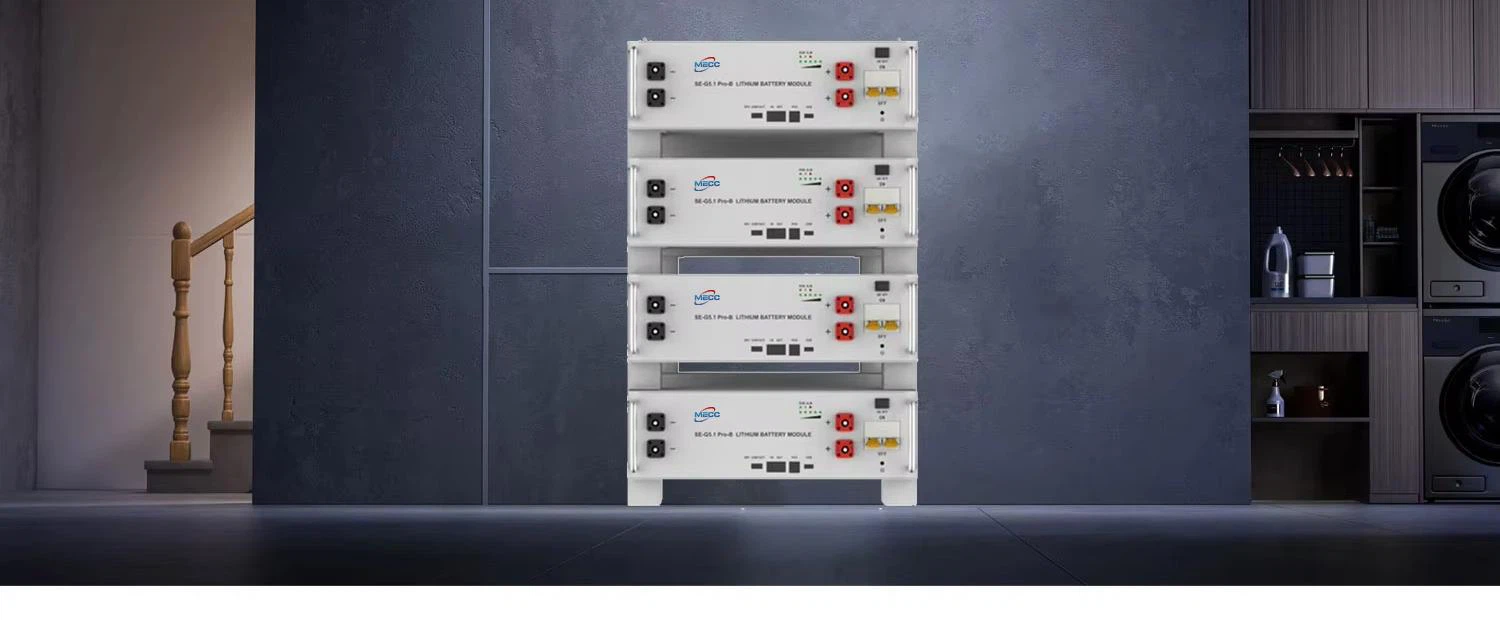
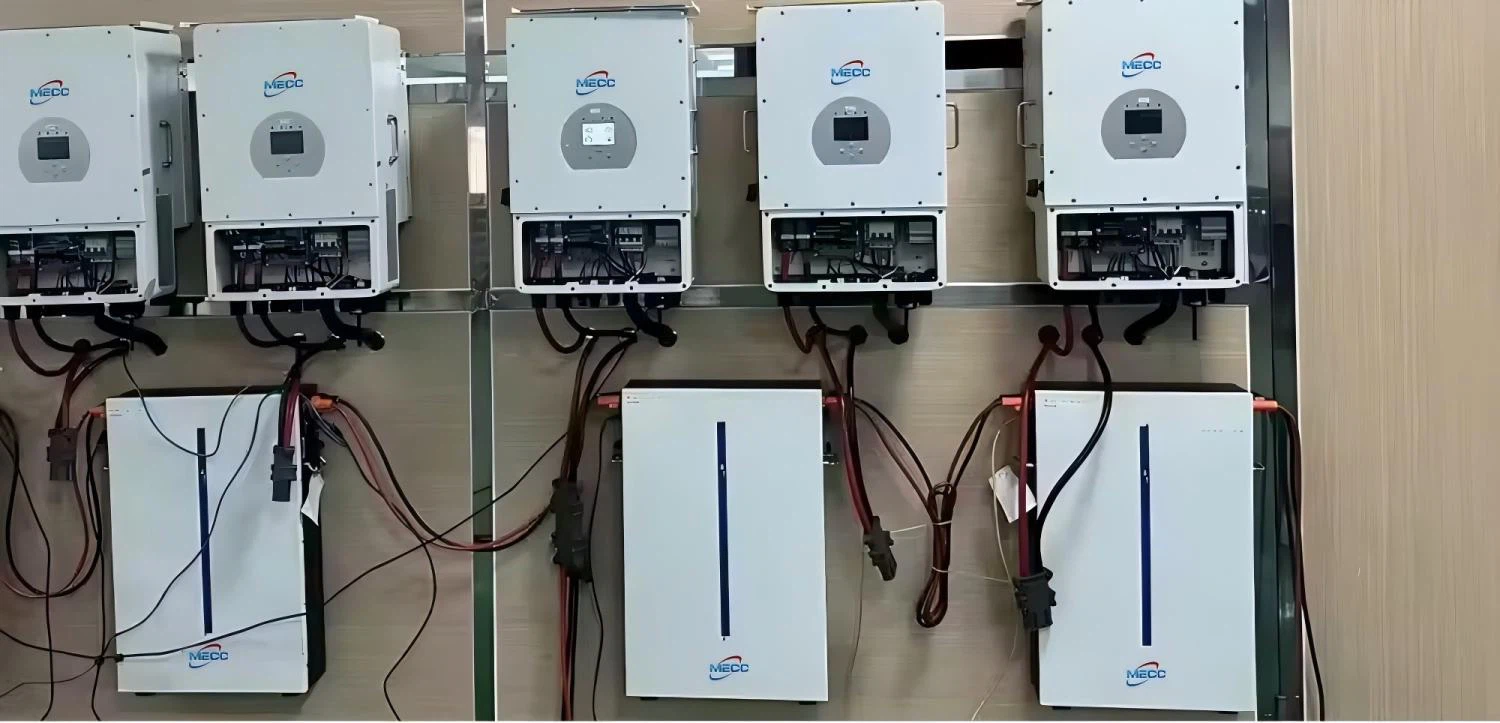
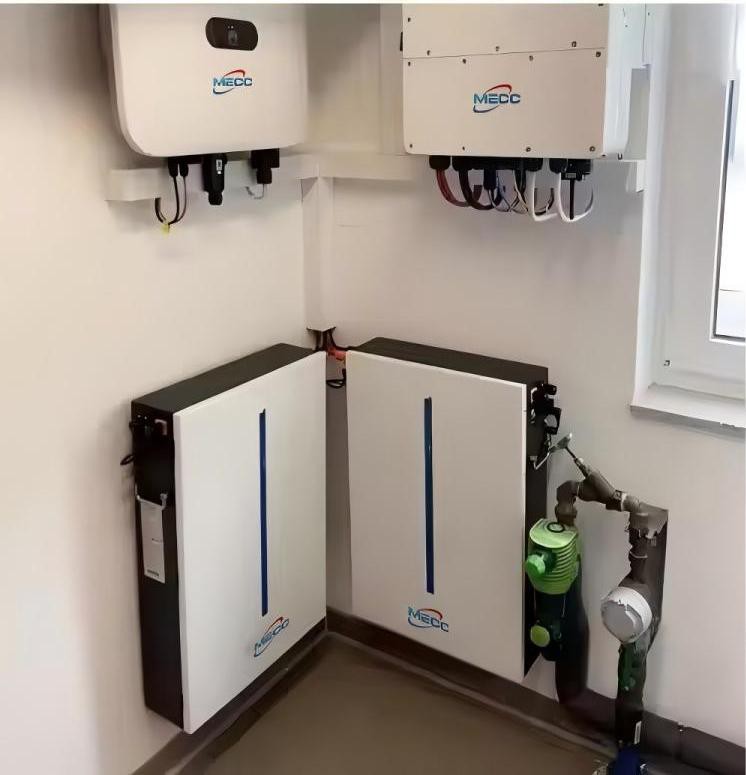
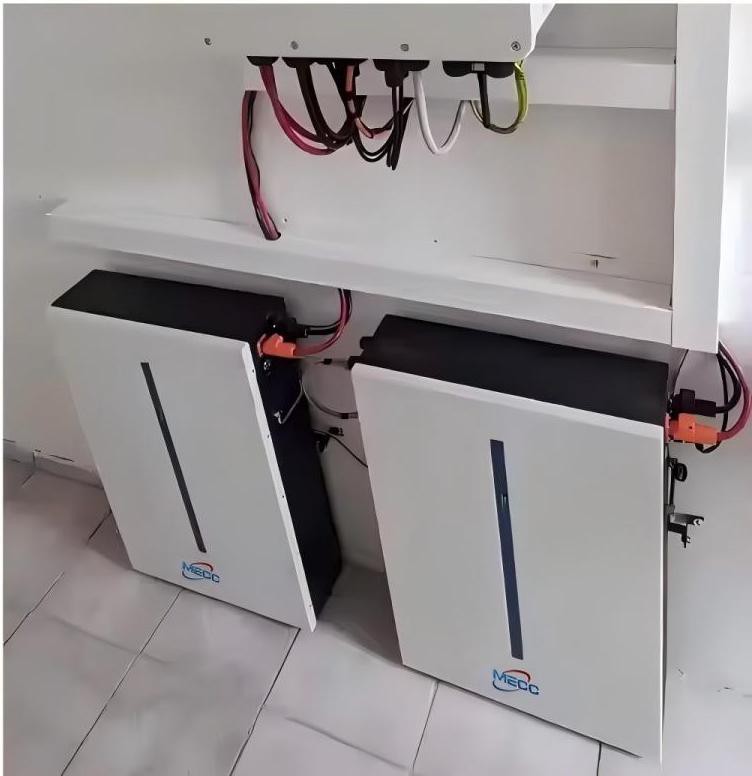
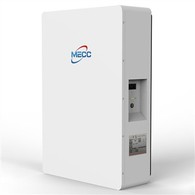
The server rack lithium battery is a cutting edge energy storage device packed with remarkable features. Its modular architecture is a standout, allowing for easy customization. Whether you're setting up a small scale backup power system for a home office or a large scale energy storage solution for a commercial building, the modular design enables seamless integration and expansion. Each module can be easily added or removed, providing flexibility to meet changing energy demands.
Built with lithium iron phosphate (LiFePO4) technology, it offers enhanced safety. It's highly resistant to over charge, over discharge, and thermal runaway, which are major concerns in battery based energy storage. Additionally, it has an impressively long cycle life, enduring thousands of charge discharge cycles. This not only ensures long term reliability but also reduces the frequency of replacements, lowering overall costs. Its compact rack mounted design maximizes space utilization, making it suitable for various installation environments.
The server rack lithium battery has a wide range of applications across different sectors. In residential solar energy systems, it serves as a crucial component. During the day, when solar panels generate surplus electricity, the battery stores this energy. Later, at night or during power outages, the stored energy is released, ensuring a continuous power supply for households. This not only provides energy independence but also reduces reliance on the grid.
LithiumIron Phosphate (LFP) Battery
Cobalt Free Lithium lron Phosphate (LFP) Battery: Safety and long Lifespan, high efficiency and high power density.
Support high discharge power. IP20, natural cooling, wide temperature range: -20 to 55℃.
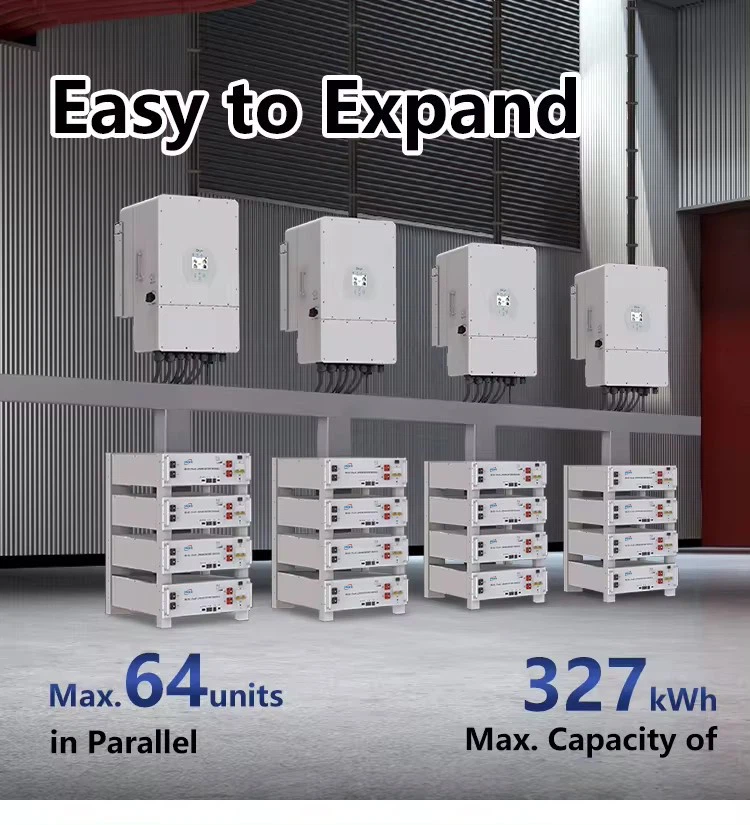
Modular design, easy to expand, Max.64 units in parallel, Max. capacity of 327kwh.
Which is designed for residential and
commercial energy storage applications.
Max. 64 pcs pack (327kWh) in parallel (Max. 32 pcs no external setup)
Storage Temperature
0℃~35℃
Nominal Voltage (V)
51.2
Humidity
5%~95%
Operating Voltage(V)
43.2~57.6
Altitude
≤2000m
Energy (kWh)
5.12
Cycle Life
≥6000(25℃±2℃,0.5C/0.5C,90%DOD,70%EOL)
Usable Energy (kWh)
4.6
Installation
Wall-Mounted, Floor-Mounted, Rack-Mounted (19-inch standard cabinet, cabinet depth ≥600mm )
Charge/Discharge Current (A)
Recommend 50
Communication Port
CAN2.0, RS485
Other Parameter
Warranty Period
10 years
Recommend Depth of Discharge
90%
Energy Throughput
16MWh@70%EOL
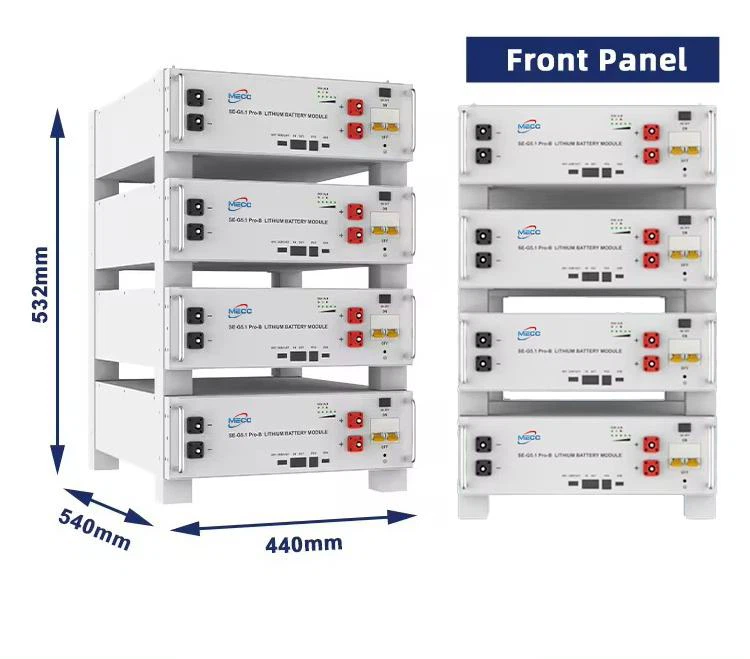
Dimension (W/H/D, mm)
440*133*540
Certification
UN38.3, IEC62619, CE,UK, VDE2510-50, CEI 0-21, FCC, UL1973, UL9540A
FAQ
1. How does the modular design of the server rack lithium battery benefit users?
The modular design offers great flexibility. For small scale users like homeowners with a growing energy demand, additional modules can be added over time without replacing the entire system. This means you don't have to over invest initially. In commercial or industrial settings, it allows for easy scalability. If a business expands or changes its energy consuming equipment, the battery system can be adjusted accordingly. Also, in case of a module failure, it can be quickly replaced, minimizing downtime and maintenance costs.
2. What safety measures does the server rack lithium battery have?
The rack lithium battery has multiple safety features. Firstly, its lithium iron phosphate chemistry inherently has a high resistance to over charge, over discharge, and thermal runaway, which are common and dangerous battery issues. Secondly, it comes with an advanced battery management system (BMS). The BMS constantly monitors the voltage, current, and temperature of each cell. If any abnormal conditions are detected, such as over voltage during charging, the BMS will immediately take corrective actions like cutting off the charging current to prevent potential hazards.
3. How does the server rack lithium battery perform in extreme temperatures?
The rack lithium battery is designed to perform well in a wide range of temperatures. Thanks to its advanced thermal management system, it can operate efficiently even in extreme cold or hot conditions. In cold environments, the system can prevent the battery from losing too much capacity by maintaining an appropriate internal temperature. In hot climates, it dissipates heat effectively to avoid overheating, which could otherwise reduce the battery's lifespan and performance. However, for optimal long term performance, it's still recommended to install it in an environment as close to the ideal operating temperature range as possible.