


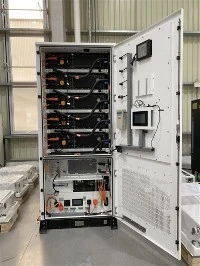
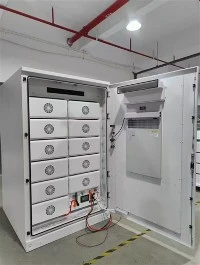
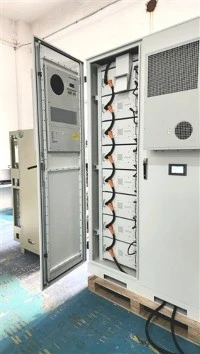
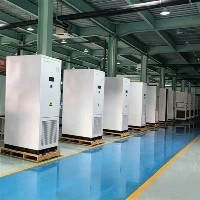
Safety is the top priority for all commercial and industrial energy storage projects. As battery storage containers become the mainstream solution for C&I energy arbitrage, backup power and PV storage integration, eliminating risks such as battery thermal runaway, short circuits, overheating and outdoor environmental damage is essential for long-term stable operation. A qualified containerized battery storage system must be equipped with complete layered safety mechanisms, covering battery monitoring, thermal management, fire suppression, structural protection and emergency response. This article breaks down the essential battery storage container safety features that every standard ESS container should include.
Intelligent BMS Battery Protection System
The Battery Management System is the core safety foundation of any C&I ESS container. Professional BMS provides real-time 24/7 monitoring of battery voltage, temperature, state of charge (SOC) and state of health (SOH) for every cell. It supports multi-dimensional electrical protection, including overcharge, overdischarge, overcurrent, short circuit and overvoltage cutoff, effectively avoiding abnormal battery operation risks.
In addition, active cell balance management ensures consistent battery attenuation, preventing local overheating caused by unbalanced cell performance. This intelligent monitoring mechanism greatly reduces the probability of thermal failure and extends the overall service life of industrial battery storage containers.

Professional Thermal Management Safety Design
Heat accumulation is the leading cause of battery thermal runaway. Reliable thermal management is an indispensable ESS container safety feature. Most high-standard commercial storage containers adopt air cooling or liquid cooling systems to maintain stable internal temperature and uniform heat dissipation during high-load and long-duration operation.
Equipped with over-temperature early warning and automatic shutdown functions, the system will immediately cut off power once the temperature exceeds the safe threshold. This real-time temperature control effectively avoids heat accumulation, suppresses battery aging, and eliminates potential fire hazards for long-term outdoor operation.

Fire Suppression and Gas Detection Safety System
To deal with potential battery gas leakage and fire risks, industrial containerized energy storage devices integrate high-sensitivity smoke and combustible gas detectors. These sensors capture early hazard signals and trigger real-time alarm reminders.
Matched with multi-stage active gas fire suppression systems, the container can quickly and accurately extinguish initial fires without damaging internal equipment. Meanwhile, professional pressure relief and ventilation structures release internal pressure instantly, preventing explosion risks and ensuring overall container safety under extreme conditions.

Environmental and Structural Safety Protection
Since most battery storage containers operate outdoors for decades, environmental safety design is critical. Standard industrial containers feature IP54 or higher waterproof and dustproof ratings, providing effective protection against rain, dust and moisture erosion.
Moreover, integrated lightning protection and surge protection devices resist lightning strikes and grid voltage surges. Anti-corrosion and shock-resistant structural designs adapt to harsh industrial environments and long-distance transportation vibration, ensuring structural stability throughout the equipment life cycle.

Intelligent Emergency Safety Mechanisms & Certifications
Top-tier ESS containers support remote cloud monitoring and intelligent abnormal alarms, enabling engineers to grasp operational data in real time. Dual manual and automatic emergency shutdown functions guarantee fast power cutoff in unexpected failures. All commercial-grade storage containers must comply with UL 1973, UL 9540 and NFPA 855 international safety standards to meet global project installation requirements.

FAQ
1. What safety features does a battery storage container need most?
The core safety features include BMS monitoring, thermal management, fire suppression systems, IP-rated environmental protection and emergency shutdown mechanisms.
2. How do ESS containers prevent thermal runaway?
Precise temperature control, real-time cell monitoring and active fire suppression work together to avoid and suppress thermal runaway risks.
Conclusion
Complete, multi-layered battery storage container safety features determine the reliability and ROI of C&I energy storage projects. From intelligent battery monitoring and thermal cooling to fire suppression and structural protection, every safety module works together to eliminate operational risks. Choosing fully certified and multi-protection containerized ESS is the key to safe, stable and long-term green energy operation for industrial and commercial facilities.