


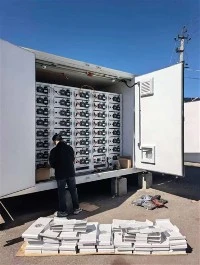
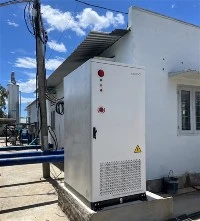
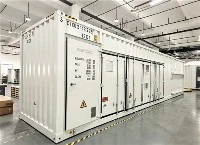
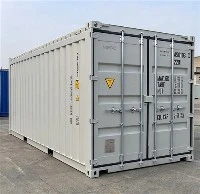
Industrial and commercial energy storage power stations, as an important means of optimizing energy structure, reducing electricity costs, and improving power system stability, are receiving increasing attention from enterprises. However, whether enterprises have the conditions to configure energy storage power stations needs to be systematically evaluated from multiple dimensions such as electricity pricing mechanism, electricity consumption characteristics, power infrastructure, and site environment. Below, we will elaborate on the core judgment factors for enterprises to configure industrial and commercial energy storage power stations from the perspectives of technology, economy, and safety.
1 Electricity pricing mechanism and evaluation of electricity consumption characteristics
(1) Peak valley electricity price policy and price difference level
The electricity pricing mechanism is a key factor determining the economic viability of industrial and commercial energy storage. Enterprises need to first confirm whether the peak and valley time of use electricity pricing policy is implemented in their region, and focus on analyzing the price differences during peak and valley periods. Generally speaking, the price difference between peak and valley needs to reach 0.8 yuan/kWh or more to ensure that the energy storage system achieves significant cost savings through "valley charging and peak discharging". If the price difference between peak and valley is small (such as less than 0.6 yuan/kWh), the investment return cycle of the energy storage system will be significantly extended, and it may even lose its economic viability.
In addition, attention should be paid to whether there are peak periods (such as summer electricity consumption peaks). If a company's electricity prices are significantly higher during peak periods than during normal peak periods and the electricity load is concentrated, the energy storage system can further reduce electricity costs through targeted discharge.
(2) Total electricity consumption and load fluctuation
1. Threshold for total electricity consumption:
The annual electricity consumption of enterprises needs to reach a certain scale (usually recommended to be above 2 million kWh) to support the capacity configuration and efficient utilization of energy storage systems. If the total electricity consumption is too low (such as less than 1 million kWh per year), the installed capacity of the energy storage system is limited, and the fixed cost allocation per unit capacity is high, resulting in an investment return period of more than 8 years and a decrease in economic efficiency.
2. Distribution of load periods:
It is necessary to analyze the proportion of the enterprise's electricity load during peak, valley, and normal periods. If the proportion of electricity consumption during peak periods (including spikes) is high (such as exceeding 40%), and there is a stable low load period during valley periods (such as nighttime), the energy storage system can fully play the role of "peak shaving and valley filling". On the contrary, if the electricity load of the enterprise is uniform throughout the day (such as only producing in flat sections), or the proportion of peak electricity consumption is less than 20%, the peak shaving value of the energy storage system will be significantly reduced. For example, typical high energy consuming enterprises such as data centers and semiconductor factories, with concentrated peak load and long duration, are ideal objects for energy storage configuration.
3. Annual production days and continuity:
It is recommended that the annual production days of the enterprise exceed 320 days, and the shutdown and maintenance period is relatively short. If there are frequent seasonal shutdowns (such as annual shutdowns exceeding 50 days), the annual utilization hours of the energy storage system will decrease, resulting in a decrease in unit capacity revenue.

2 Transformer load and adaptability to power systems
(1) Remaining Capacity Assessment of Transformers
Transformers are the core equipment for power access, and their remaining capacity directly determines the charging capacity of energy storage systems. Enterprises need to obtain the rated capacity and actual load rate of transformers through electricity bills or power monitoring systems (especially paying attention to the load situation during valley and peacetime). During valley charging, the energy storage system is equivalent to adding new electricity load, and it is necessary to ensure that the sum of charging power and existing load does not exceed 90% of the rated capacity of the transformer.
If the transformer operates under high load for a long time and the remaining capacity in the valley section is insufficient, priority should be given to transformer capacity expansion and renovation, or adjusting the energy storage and charging strategy (such as using the capacity of the flat section for charging), otherwise it may cause transformer overload and affect the safety of the power system.
(2) Power system structure and access conditions
1. Number of transformers and redundancy design:
If a company has multiple transformers (such as a distributed power supply system), it is necessary to evaluate the load distribution of each transformer and the backup relationship between them. Although redundant systems can improve power supply reliability, they may increase the complexity of energy storage access (such as coordinated control of multiple access points), and the optimal access location needs to be determined through an electrical primary wiring diagram (usually selecting a 400V busbar on the low-voltage side).
2. Bi directional flow capability and protection configuration:
The energy storage system supports bidirectional energy flow (taking power from the grid during charging and supplying power to the load during discharging), so it is necessary to confirm the voltage level (usually 380V/400V), current capacity, and phase matching of the access point. At the same time, anti backflow protection, overload protection and other devices need to be configured to avoid interference with the power grid.
3. Collaboration with distributed energy sources such as photovoltaics:
If the enterprise has already installed or plans to install photovoltaic systems, priority should be given to the "integrated light storage" design. It should be noted that the installation of energy storage at the same grid access point may affect the photovoltaic expansion space. Therefore, it is necessary to plan the photovoltaic installation scale, access method, and self use ratio in advance to ensure the coordinated operation of photovoltaic and energy storage (such as prioritizing the charging of photovoltaic surplus electricity and reducing the purchase of electricity from the grid during valley periods).

3 Site environment and safety compliance
(1) Site selection requirements
1. Geographic and environmental conditions:
Terrain and Space: Choose a flat and dry outdoor site (indoor installation must meet ventilation and heat dissipation requirements), avoid direct sunlight and water accumulation areas to reduce equipment temperature control energy consumption. The site needs to have sufficient hardened ground to support the weight of energy storage equipment (a typical 20 foot energy storage container weighs about 30 tons), and reserve transportation and lifting channels (with a width of not less than 4 meters).
Safe distance: It must comply with standards such as the "Design Code for Electrochemical Energy Storage Power Stations" (GB 51048), maintain a safe distance from office and residential areas (usually the distance between the battery compartment and the building is not less than 5 meters), and set up fire isolation belts. If it is close to flammable and explosive places (such as chemical plants, gas stations), additional protective measures need to be taken.
2. Distance from the distribution room:
The energy storage system should be located as close as possible to the distribution room (with a recommended distance of no more than 100 meters) to shorten cable length, reduce line loss, and lower construction costs. At the same time, practical conditions such as cable trench direction and bridge layout need to be considered to avoid complex pipeline modifications.
(2) Compliance review
1. Land nature and planning: The site must be industrial or commercial land, in compliance with local urban planning and land use control requirements. The rental site must ensure that the lease period covers the investment return period of the energy storage system (usually 10-15 years) and obtain authorization from the property owner.
2. Fire and safety acceptance: According to the requirements of the local fire department, automatic fire extinguishing systems, gas leak monitoring devices, etc. should be configured, and safe evacuation routes should be reserved. The energy storage system needs to pass relevant certifications such as CE and UL, and the battery type should prioritize the use of high safety lithium iron phosphate materials (to avoid the risk of thermal runaway in nickel cobalt manganese batteries).
3. Environmental Impact Assessment: Some regions require environmental impact filing for energy storage projects (such as noise and electromagnetic radiation testing), especially in densely populated areas, to ensure that equipment operating noise is below 60 decibels and electromagnetic radiation meets national standards.

4 Enterprise type and special needs
(1) High energy consuming and fluctuating load enterprises
Manufacturing industries (such as steel, chemical, and mechanical processing), data centers, large shopping malls, and other enterprises have the characteristics of high electricity consumption and significant differences in peak and valley loads, making them key targets for energy storage configuration.
(2) Enterprises sensitive to power quality
The precision manufacturing, electronic semiconductor, biopharmaceutical and other industries have extremely high requirements for voltage stability and power supply continuity. The energy storage system can respond quickly (in milliseconds) to fluctuations in the power grid, serving as a backup power source to ensure the operation of production equipment and avoid an increase in defect rates or equipment damage caused by power outages or voltage drops.
(3) Green Transformation and Policy Driven Enterprises
With the implementation of trade barriers such as the EU Carbon Tariff (CBAM), export-oriented enterprises such as steel, aluminum, and electricity are facing pressure to reduce emissions. Configuring energy storage systems can help companies integrate renewable energy sources such as photovoltaics and wind power, reduce carbon emission intensity, improve ESG performance, and enjoy local government energy storage subsidy policies (such as investment subsidies, peak valley price difference rewards, etc.).

5 Economic Calculation and Scheme Design
1. Data collection and on-site survey:
It is necessary to collect the electricity bill list (including electricity price structure and billing method), 15 minute load curve, transformer parameters, distribution room drawings, site photos and other information of the enterprise in the past 12 months, and form a detailed survey report.
2. Preliminary Capacity Calculation:
Based on the load difference during peak and valley periods, the remaining capacity of the transformer, and the target discharge duration (such as 2-hour peak discharge), the power (kW) and capacity (kWh) of the energy storage system are preliminarily determined. For example, if the peak load gap is 500kW and the discharge time is 4 hours, the energy storage capacity needs to be at least 2000kWh.
3. Revenue simulation and sensitivity analysis:
By simulating the operation of the energy storage system, calculate the annual charging and discharging capacity, electricity cost savings, and investment payback period. We need to consider the impact of changes in electricity pricing policies, equipment degradation (annual capacity degradation rate ≤ 3%), maintenance costs, and other factors to develop a multi scenario revenue plan.
4. Technical scheme design:
Clearly define the equipment selection for the energy storage system (such as containers, modular battery clusters), access method (low-voltage side grid connection), control strategy (automatic peak valley switching, real-time load monitoring), and provide supporting fire protection, monitoring, and communication systems to ensure safe and efficient operation.
The configuration of industrial and commercial energy storage power stations by enterprises is a complex technical and economic decision that requires comprehensive consideration of various factors such as electricity pricing mechanisms, electricity consumption characteristics, transformer capacity, site conditions, and policy environment. Through scientific preliminary evaluation, enterprises can clarify whether they have the configuration conditions and how to design the optimal energy storage solution.