



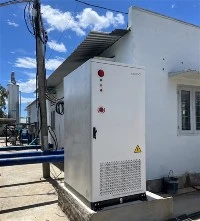
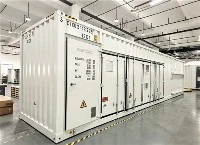
The energy efficiency of hybrid inverters directly determines the revenue of distributed energy systems - for every 1% increase in efficiency, users can save an additional 5% -8% in electricity bills. The global industrial chain, from power components, topology to control algorithms, comprehensively promotes energy efficiency upgrades, increasing the European efficiency of hybrid inverters from 96% to over 98.5%. Some high-end products have exceeded 99%, forming significant energy and economic benefits in large-scale applications, becoming a key breakthrough for distributed energy to "reduce costs and increase efficiency".
1 Power component innovation: reducing core losses
Large scale application of silicon carbide (SiC) devices in China. The DC/DC and AC/DC modules of a certain brand's 3kW hybrid inverter all use SiC MOSFETs instead of traditional silicon-based IGBTs, reducing switching losses by 60% and conduction losses by 40%. At 220V/50Hz operating conditions, the switching frequency of SiC devices can be increased to 100kHz (traditional IGBT is 20kHz), reducing the size of filtering components (inductance and capacitance reduced by 50%), while maintaining the efficiency of the inverter at light load (10% rated power) at 97%, which is 5% higher than the silicon-based solution. The actual measurement of a photovoltaic energy storage system in a household in Shanghai shows that the hybrid inverter using SiC devices can increase the annual power generation by 800 kWh compared to traditional inverters, and save about 500 yuan in electricity costs.
High frequency optimization of gallium nitride (GaN) devices in Europe. The high-frequency auxiliary power module of a 10kW hybrid inverter in Germany uses GaN HEMT devices with a switching frequency of 200kHz, which improves efficiency by 3% and reduces volume by 40% compared to traditional silicon-based power modules. The high temperature resistance of GaN devices (junction temperature up to 150 ℃) allows the inverter to eliminate some heat dissipation components, reduce the overall weight by 15%, and meet the lightweight installation needs of industrial and commercial roofs. The application of a commercial photovoltaic project in Munich shows that the annual operating energy consumption of the GaN hybrid inverter is reduced by 2000 kWh compared to traditional inverters. Calculated at an industrial electricity price of 0.8 yuan/kWh, the annual electricity cost savings are 1600 yuan.
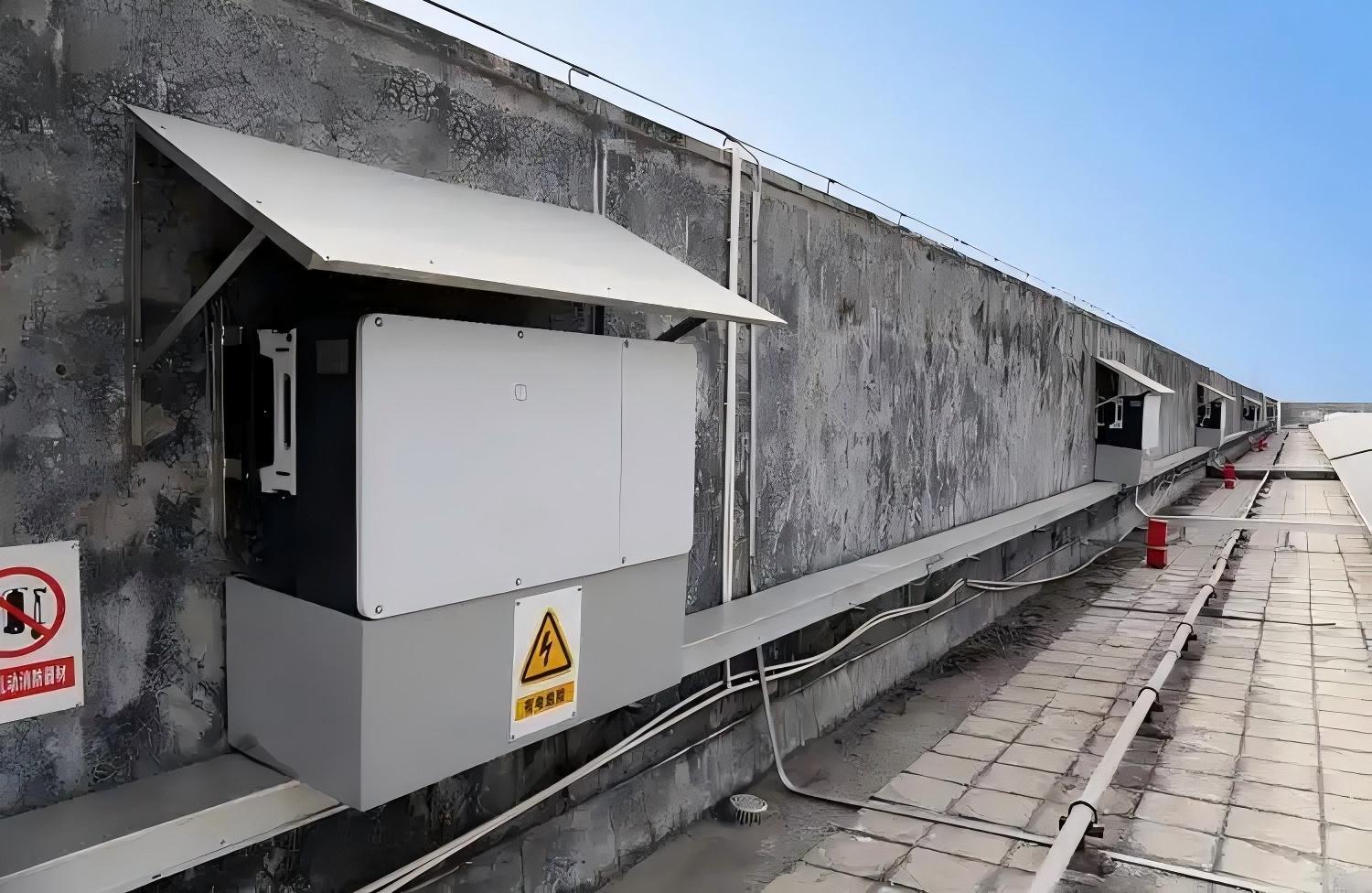
2 Topology optimization: reduce energy conversion losses
The Five Level Topology Innovation of the United States. For high-voltage and high-power scenarios (such as 100kW industrial and commercial hybrid inverters), a five level NPC (midpoint clamp) topology is adopted to reduce the voltage stress of the traditional two-level topology from 1200V to 600V, and the switching loss is reduced by 50%. Through the "redundant switch design", when a single switch tube fails, the topology can automatically switch to three-level mode to continue operating (reduced to 70% power), which not only improves energy efficiency but also ensures reliability. The actual measurement of a photovoltaic storage project in Texas shows that the European efficiency of the five level hybrid inverter reaches 98.8%, which is 2.3% higher than the two-level scheme, and the annual power generation increases by 25000 kWh.
China's "Bi directional Buck Boost Topology Simplification". Develop an "integrated bidirectional Buck Boost topology" for household low-power scenarios (3-5 kW), integrating the two traditional "independent Buck+independent Boost" circuits into one set, reducing the number of power devices by 40% and reducing circuit losses by 1.5%. Simultaneously adopting "synchronous rectification technology" and replacing diode rectification with MOSFET, the conduction loss is reduced by 30%. This topology improves the efficiency of household hybrid inverters to 98.2% and reduces costs by 15%. According to data from an e-commerce platform, the sales of this type of inverter increased by 300% year-on-year in 2023, becoming the mainstream choice in the household market.

3 Control algorithm upgrade: dynamic optimization of energy efficiency
Japan's "Adaptive MPPT Algorithm". The photovoltaic MPPT module of the hybrid inverter adopts a fusion algorithm of "disturbance observation method+conductance increment method": disturbance observation method is used when the lighting is stable (with high accuracy and low loss), and when the lighting changes rapidly (such as cloud cover), it automatically switches to conductance increment method (with fast response and accurate tracking). The MPPT efficiency is improved to 99.5%, which is 1.2% higher than a single algorithm. The actual measurement of a distributed photovoltaic project in Tokyo shows that the algorithm increases the annual photovoltaic power generation by 1.2%, which is equivalent to generating an additional 120 kWh/kW of electricity and increasing the annual revenue by 72 yuan/kW.
Load matching energy efficiency optimization in Europe. A hybrid inverter in Germany has a built-in "load feature learning algorithm" that continuously collects user electricity data (such as refrigerator start stop cycles and washing machine operating power) to identify the "energy efficiency optimal operating range" of the load. For example, when the washing machine is detected to be in standby mode (power<10W), the inverter output voltage is automatically adjusted to 220V ± 2% (optimal load voltage range) to reduce standby losses; When the washing machine starts (with a power of 1500W), increase the response speed of the inverter output power to avoid additional losses caused by voltage fluctuations. The application of a household in Berlin shows that the algorithm improves the total energy efficiency of the household by 3% and saves 200 euros in annual electricity bills.
The technological revolution of "energy efficiency improvement" in hybrid inverters is shifting from "single component upgrade" to "system wide collaborative optimization". In the future, with the application of digital twins (virtual simulation optimization topology and algorithm) and edge computing (localized real-time energy efficiency adjustment), the efficiency of hybrid inverters is expected to exceed 99.5%, while achieving full working condition coverage of "light load, high efficiency, heavy load and stability", providing core support for the "ultimate energy efficiency" of distributed energy systems.