


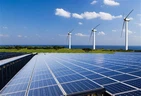



Solar energy systems are becoming increasingly popular as a source of renewable energy in homes and businesses alike. Solar energy systems are a renewable source of energy that can be used to generate power, heat, and light. Solar energy comes from the sun, making it an inexhaustible and everywhere source of energy.
Solar energy systems are made up of several components that all work together to convert sunlight into usable electricity. Solar panels consist of photovoltaic (PV) cells that convert solar radiation into direct current (DC) electricity. The electricity is then passed through an inverter, which converts the DC electricity to alternating current (AC) electricity. The AC electricity is then ready to be used or stored in batteries.
Solar energy systems have many advantages. They are a renewable energy source that produces no pollution, making them a sustainable solution for today’s energy needs. Solar energy systems are relatively inexpensive to install, and once they are up and running, they require no additional fuel.
Solar energy systems can also be used in conjunction with existing grid systems, allowing solar electricity to be used in a variety of applications. For example, solar electricity can be used to supplement a grid system during peak times, or even to power an entire household if an array of solar panels are large enough.
In conclusion, solar energy systems are a renewable energy source that can help reduce our dependence on fossil fuels, reduce energy costs, and help protect the environment. With the right solar energy system, we can all make an impact on our energy future.
