


Under the wave of energy revolution, a single energy device is no longer able to meet the increasingly complex energy demands. The coordinated operation of grid connected inverters and multiple energy devices has become the key to building a smart energy ecosystem. By collaborating with distributed power sources, energy storage systems, smart grid devices, etc., grid connected inverters can achieve efficient conversion, storage, and distribution of energy, promoting the development of energy systems towards intelligence and greenness.
Collaboration with distributed power sources: optimizing energy output and consumption
Deep integration of photovoltaic power generation and grid connected inverters
In distributed photovoltaic power generation systems, grid connected inverters are the core equipment for achieving grid connection of photovoltaic energy. The synergistic cooperation between the two directly affects the efficiency and stability of photovoltaic power generation. The new grid connected inverter can quickly and accurately track the maximum power point of photovoltaic modules through advanced maximum power point tracking (MPPT) algorithm, ensuring that photovoltaic modules can generate electricity at the highest efficiency under different light intensity and temperature conditions. For example, in cloudy weather with frequent changes in light intensity, grid connected inverters equipped with intelligent MPPT algorithms can re search and adjust the maximum power point within 1 second. Compared with traditional inverters, the response speed is increased by more than 5 times, and the power generation efficiency is improved by 10% -15%.
In addition, grid connected inverters can also work in conjunction with the monitoring system of photovoltaic modules to achieve refined management of photovoltaic power plants. By monitoring the working status of each photovoltaic module in real-time, the inverter can adjust its output strategy in a timely manner when a module failure or performance degradation is detected, avoiding the spread of faults and ensuring the stable operation of the entire power station. At the same time, utilizing big data analysis technology to analyze the historical power generation data of photovoltaic power plants, optimizing the control parameters of inverters, and further improving power generation efficiency and energy consumption capacity.
Collaborative control of wind power generation and grid connected inverters
In wind power generation systems, due to the randomness and intermittency of wind speed, the electrical energy output by wind turbines has unstable characteristics. The coordinated control of grid connected inverters and wind turbines is crucial. Grid connected inverters seamlessly connect the electricity generated by wind power generation to the grid by quickly adjusting the output voltage and frequency. When the wind speed changes and causes fluctuations in the output power of the wind turbine, the inverter can respond within milliseconds, adjust its own working state, ensure the stability of the output power, and reduce the impact on the power grid.
In a large wind farm, multiple grid connected inverters and wind turbines form a cluster for coordinated scheduling through a unified energy management system. The energy management system allocates the output power of each inverter reasonably based on wind speed prediction, grid load demand and other information, achieving the maximization of the overall power generation efficiency of the wind farm. At the same time, grid connected inverters can also participate in auxiliary services such as frequency and voltage regulation of the power grid, improve the grid's ability to absorb wind power, and promote the large-scale application of wind power.

Collaboration with energy storage systems: achieving flexible energy allocation
Bidirectional interaction between lithium battery energy storage and grid connected inverters
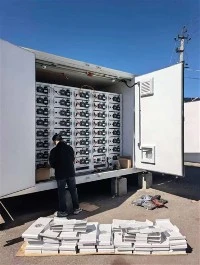
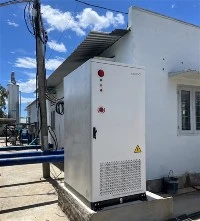
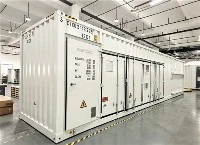
The coordinated operation of lithium battery energy storage system and grid connected inverter can achieve flexible storage and release of energy. During periods of low electricity consumption, when the grid price is low and there is an excess of distributed power generation, grid connected inverters convert the excess electricity and store it in lithium batteries; During peak electricity consumption periods or when distributed power generation is insufficient, lithium batteries are discharged to the grid or user side through grid connected inverters, achieving peak valley electricity price arbitrage and cross time optimization of energy utilization.
The synergy between the two is also reflected in the protection and lifespan extension of energy storage batteries. The intelligent battery management system (BMS) of grid connected inverters interacts with the BMS of lithium batteries to monitor real-time parameters such as battery voltage, current, temperature, and state of charge, and adjust charging and discharging strategies based on battery status. For example, when the battery temperature is too high, the inverter automatically reduces the charging current or pauses charging to avoid battery overheating and damage, effectively extending the battery's service life. In a photovoltaic integrated project in an industrial park, lithium battery energy storage and grid connected inverters work together to reduce the park's electricity costs by 30%, while extending the battery's cycle life by more than 20%.
Adaptation of new energy storage devices such as flow batteries to grid connected inverters
With the development of new energy storage technologies such as flow batteries and compressed air energy storage, grid connected inverters need to be adapted and coordinated with these new energy storage devices. Flow batteries have the characteristics of independent design of power and capacity, long cycle life, and high safety, but there are differences in their charging and discharging characteristics compared to lithium batteries. Grid connected inverters need to develop dedicated control strategies and interface protocols based on the characteristics of flow batteries to achieve efficient collaboration between the two. For example, in flow battery energy storage power plants, grid connected inverters accurately control the charging and discharging process based on parameters such as electrolyte flow rate and concentration of the flow battery, ensuring the stable operation and efficient charging and discharging of the energy storage system. By continuously optimizing and adapting technologies, the synergy between new energy storage and grid connected inverters will bring more innovative modes and application scenarios for energy storage and utilization.

Collaboration with smart grid devices: enhancing grid stability and reliability
Information exchange with the power grid dispatch system
Grid connected inverters achieve coordinated operation with the power grid by exchanging information with the scheduling system of the smart grid. The inverter uploads real-time information such as its operating status, output power, and adjustability to the power grid dispatch center. The dispatch center sends control instructions to the inverter based on the overall operation of the power grid, such as adjusting output power and participating in power grid frequency regulation. During peak periods of electricity consumption in the power grid, the dispatch center may require grid connected inverters to increase output power and alleviate the pressure on power supply in the grid; When the frequency of the power grid fluctuates, the inverter quickly responds to scheduling instructions, adjusts the output frequency, participates in power grid frequency regulation, and improves the stability of the power grid.
Linkage control with distribution automation equipment
The linkage control between grid connected inverters and distribution automation equipment of smart grids, such as smart circuit breakers and relay protection devices, can effectively improve the reliability and safety of the power grid. When a fault occurs in the power grid, the distribution automation equipment quickly detects the fault signal and transmits the information to the grid connected inverter. The inverter automatically adjusts its operating status based on the type and location of the fault, such as cutting off the power output to the fault area to prevent the fault from expanding. At the same time, after troubleshooting, the inverter can quickly resume normal operation, reduce power outage time, and improve the reliability of power supply for users. Through close collaboration with smart grid devices, grid connected inverters have become an indispensable component of smart grids, playing an important role in building a stable, reliable, and efficient smart energy ecosystem.