



A battery energy storage system (BESS) is not a set-and-forget asset. Over a 15–20 year life, cells degrade, coolant ages, sensors drift, and firmware accumulates vulnerabilities. Left unattended, these changes quietly erode capacity, savings, and - worst case - safety. Preventive maintenance is how operators protect uptime and the return they were promised. Here's what a sound maintenance schedule for commercial energy storage looks like.
Why ESS maintenance is different
Storage doesn't fail the way a motor does. Degradation is gradual and often invisible: capacity fades, round-trip efficiency slips, and cell imbalance grows - all while the system keeps "working." That makes routine, scheduled inspection essential. It also makes maintenance safety-critical, because undetected faults can escalate toward thermal runaway.
The goal: protect uptime and ROI
Every maintenance decision serves one of four purposes:
Availability - keep the system able to dispatch when it's needed.
Capacity - preserve usable energy for peak shaving and TOU arbitrage.
Safety - keep protection systems functional.
Warranty - meet the manufacturer's required service terms.
Neglect any one, and the economics degrade with it.
Preventive, predictive, and corrective
Maintenance falls into three categories. Preventive work happens on a fixed schedule. Predictive work is triggered by condition data - a rising temperature trend or falling state of health (SOH). Corrective work fixes what fails. A mature program leans on the first two to minimize the third, using BMS and EMS data to spot issues early.
What to inspect, and how often
Exact intervals come from the manufacturer, but a typical schedule runs as follows. Monthly or quarterly: visual inspection, alarm review, thermal imaging of connections, coolant level checks, and filter inspection. Semi-annually: torque verification on power connections, insulation checks, and protection relay testing. Annually: a full capacity test, SOH assessment, complete safety-system verification, and firmware review. Adjust frequency for duty cycle and environment.
Battery health monitoring
The battery is the heart of the program. Track state of charge (SOC) and SOH, capacity fade, cell-to-cell imbalance, and round-trip efficiency trends. BMS data reveals divergence before it becomes a failure, and trend analysis - not a single reading - is what identifies cycle life consumption outpacing projections. This data also supports warranty claims.
Thermal management maintenance
Heat management is where prevention meets safety. For liquid-cooled battery storage, service coolant chemistry and levels, inspect for leaks, and check pumps and filters. For air-cooled systems, clean or replace filters, verify fan operation, and clear obstructions. Both approaches should confirm that temperatures stay uniform across modules - hot spots are early warnings.
Safety system maintenance
Safety devices must be tested, not assumed. This means inspecting and recharging fire suppression systems, calibrating gas detection sensors, verifying ventilation, and functionally testing emergency shutdown. In many jurisdictions these fall under NFPA 855 requirements and may be subject to inspection. A suppression system that hasn't been serviced in years is a false sense of security.
Electrical and controls maintenance
Beyond the battery, the balance of system needs attention: PCS (power conversion system) inspection, protection relay verification, grounding checks, and communication integrity across the BMS, PCS, and EMS. Confirm that monitoring and cloud connectivity remain reliable, and that dispatch logic still reflects current tariffs and demand response commitments.
Firmware and cybersecurity updates
Connected assets need patching. Apply signed firmware updates, address published vulnerabilities, and maintain the cybersecurity baseline - no lingering default credentials, verified network segmentation. A maintenance visit is the natural moment to close these gaps.
Data, remote monitoring, and predictive maintenance
The best programs are data-driven. Remote monitoring feeds condition trends into predictive models, letting operators schedule service before a failure. In a microgrid or multi-site fleet, this scales across assets, turning maintenance from reactive to planned.
Spare parts and service agreements
Define response times and critical spares up front. A service level agreement with guaranteed response windows, on-site spares, and defined escalation prevents a minor fault from becoming a multi-week outage. For sites where downtime is costly - cold storage, manufacturing, EV charging hubs - this is essential.
Impact on cost and economics
Maintenance is a cost, but it protects more than it spends. It preserves the performance behind commercial energy storage cost per kWh, LCOS (levelized cost of storage), battery storage ROI, and commercial battery storage payback, and it avoids the far larger cost of unplanned downtime. It also keeps the asset within warranty terms and compliant with NFPA 855 - both of which have financial teeth.

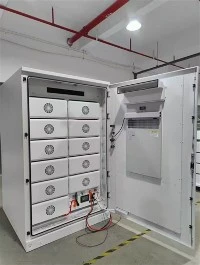
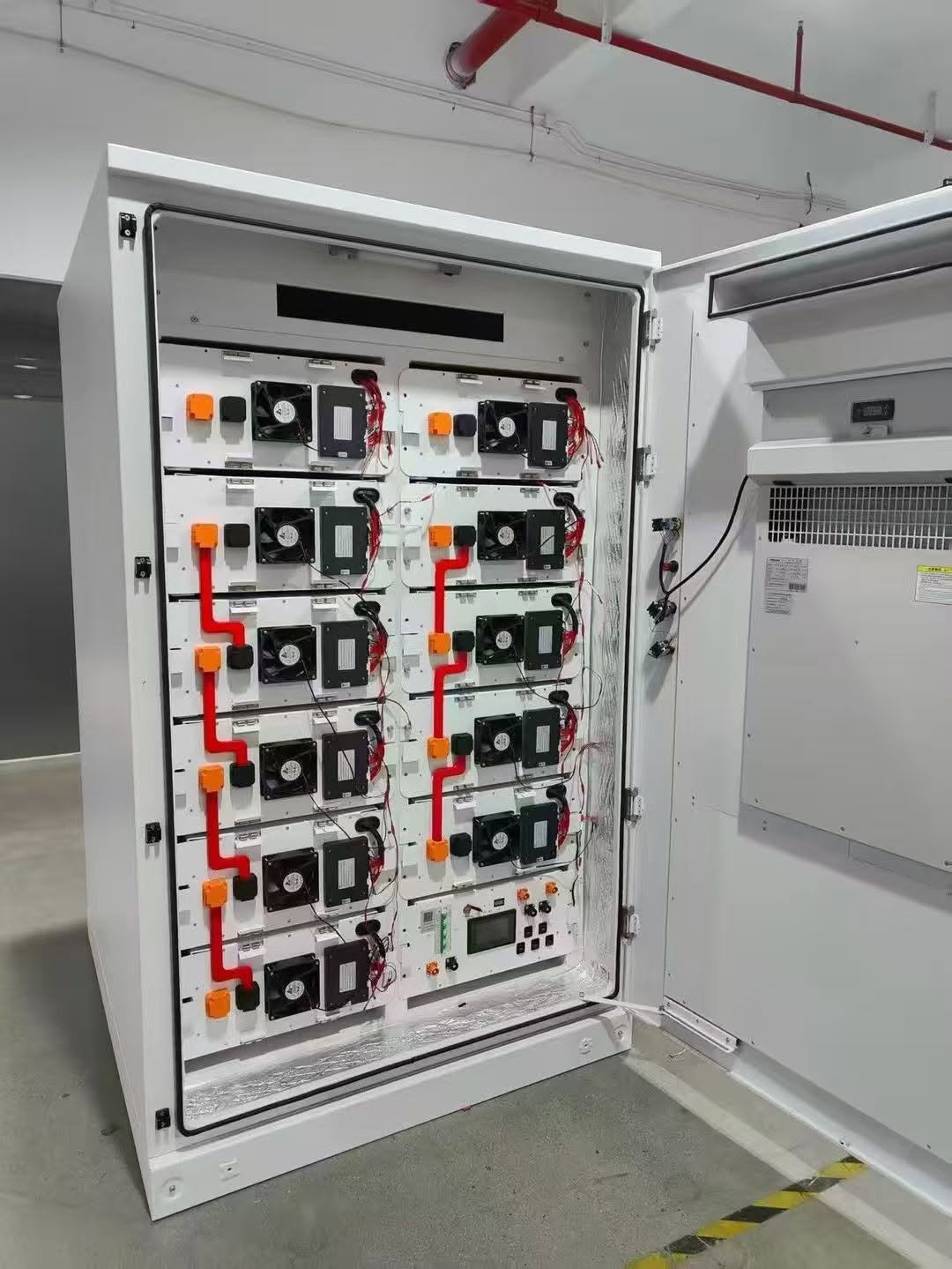
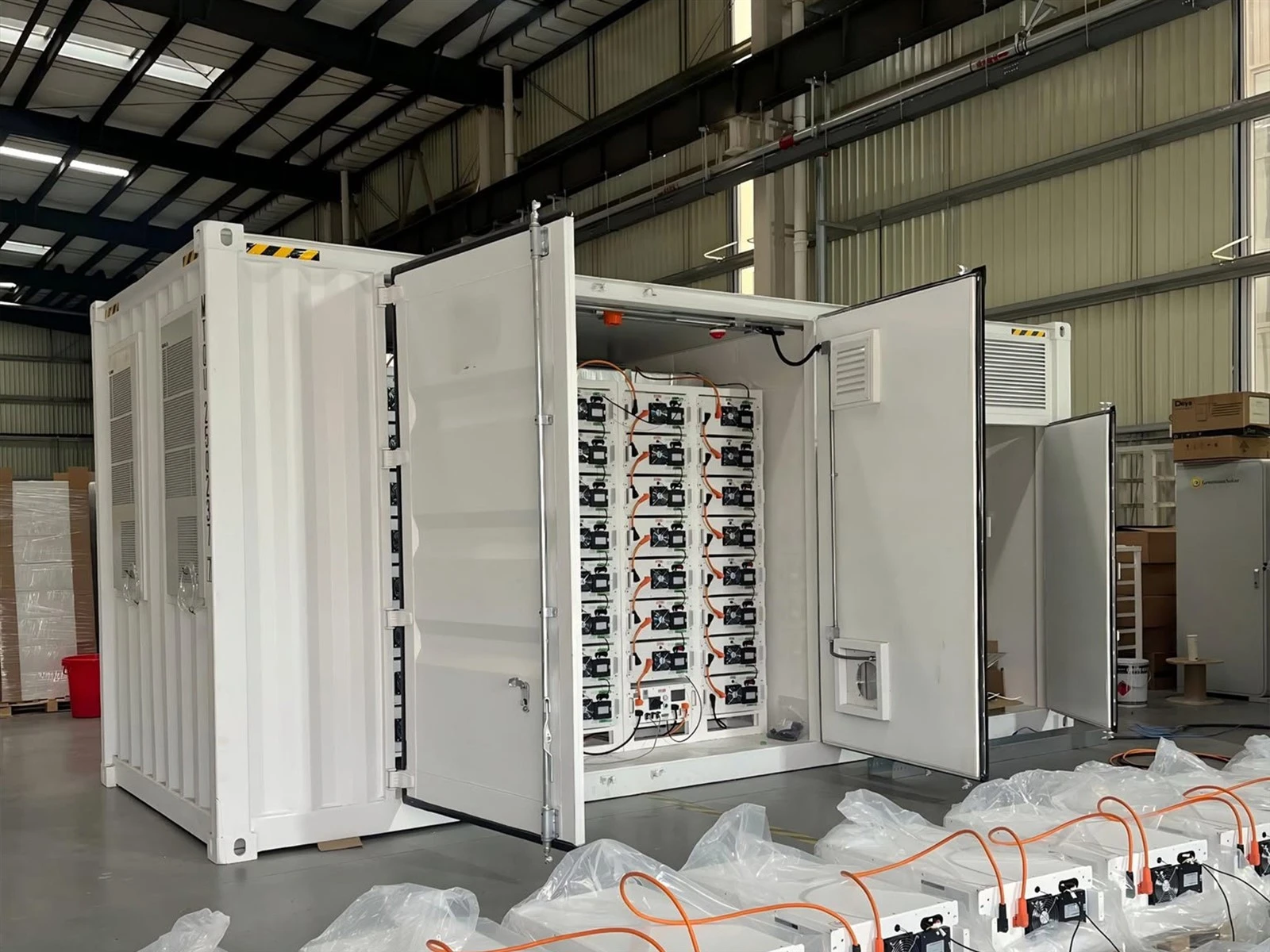
125KW 241kWh Battery Energy Storage System Cabinet
The BESS 125KW 241kWh Lithium Battery Energy Storage Cabinet is a high-power, large-capacity integrated energy storage solution engineered for medium-to-large commercial, industrial, and utility-scale applications. It integrates a 125kW high-performance bidirectional inverter, a 241kWh lithium iron phosphate (LiFePO4) battery bank, and a full-featured intelligent energy management system (EMS) into a modular cabinet design. This system enables efficient renewable energy storage, peak shaving, load shifting, grid frequency regulation, and emergency backup power supply. Ideal for large factories, shopping malls, industrial parks, utility-scale solar/wind farms, and microgrids, it enhances energy independence, reduces high grid demand charges, and supports the stable integration of high-penetration renewable energy into the grid.