


Every battery storage proposal arrives with an impressive stack of contractual documents - product warranty, performance guarantee, service agreement, capacity maintenance schedule - and most buyers sign them in the order presented, assuming they overlap. They do not. They answer two entirely different questions, and the difference between them is where tens of thousands of dollars of contract value quietly disappear.
A product warranty answers: if the equipment breaks, who fixes it, and who pays? A performance guarantee answers: if the equipment never breaks but still underdelivers, who compensates me? A system can satisfy its warranty completely and still fail its owner financially - every component functional, nothing defective, and yet delivering 11% less energy per cycle than the business case assumed. The warranty will not help. Only the guarantee can.
This article separates the two instruments, explains what a serious performance guarantee battery contract actually measures, and shows how the two documents fit together in an RFQ and an EPC contract. It belongs alongside our RFQ template and TCO calculator guides - the procurement documents that these contracts ultimately get written into.
The Core Distinction
A product warranty is a statement about quality. It says the equipment was manufactured correctly, and it commits the vendor to repair or replace components that fail due to defects in materials or workmanship within a defined period. It is triggered by a failure event: a module stops communicating, an inverter board dies, an enclosure seal leaks. The remedy is typically repair or replacement at the vendor's cost.
A performance guarantee is a statement about outcome. It says the system, as installed and operated within defined limits, will deliver a measurable level of performance - a round-trip efficiency, an availability percentage, an energy throughput, a capacity at a future date. It is triggered not by a failure event but by a measurement: over a quarter or a year, the system delivered less than promised. The remedy is typically liquidated damages, a service credit, or a corrective action plan.
The distinction matters because the failure modes are different. A defective module is visible and fixable. A system that runs flawlessly but cycles into degradation faster than modelled, or loses two percent of availability to chronic minor trips, or sits derated because of a thermal design that only limps on the hottest days - none of that triggers a warranty claim. The equipment works. It just works less than you paid for.
Warranties are standardised across the industry and comparatively easy to compare. Guarantees are bespoke, negotiated, and where the real diligence happens.
What a Performance Guarantee Actually Measures
A serious guarantee is built on a small number of metrics, each with a defined measurement method. If a proposal offers a guarantee without a measurement method, it is a marketing statement, not a contract.
Round-trip efficiency is the ratio of energy delivered to energy absorbed, measured at a defined boundary - usually the high-voltage side of the transformer or the AC terminals of the PCS. The boundary matters enormously: a guarantee measured at DC terminals will read two to four percentage points higher than one measured at the AC point of interconnection, because transformer and auxiliary losses disappear from the measurement. Always ask where the meters are.
Availability is the percentage of time the system is capable of delivering its rated function during the operating period. The definition to fight over is what counts as an outage: does a partial derating to 80% count as available? Does a trip during a grid event count? Does scheduled maintenance count, and how many hours per year is allowed? A 97% availability guarantee with generous exclusions can be worth less than a 95% guarantee with tight ones.
Energy throughput or capacity retention is the deepest guarantee and the hardest to draft. Two forms exist. A throughput guarantee commits that the system will deliver a cumulative MWh over a period without exceeding a defined state-of-charge window and C-rate. A capacity guarantee commits that the system will retain a stated percentage of its original usable capacity at defined milestones - year 5, year 10 - with an option for augmentation. The capacity form is more valuable to the owner because it maps directly onto the revenue model; the throughput form protects the vendor against how the owner cycles the system.
Each metric needs a baseline, a metering point, a measurement interval, and a data source the parties agree on in advance. This is exactly the measurement and verification discipline described in our C&I EMS article - the same telemetry that runs the dispatch also proves or disproves the guarantee.
The Exclusions Are the Contract
Every guarantee excludes conditions the vendor cannot control, and the negotiation is really about where those exclusions sit. The standard set looks innocuous until a specific situation appears.
Grid events: a voltage sag or frequency excursion that trips the system is usually excluded, which is reasonable - but the ride-through settings that caused the trip were configured at commissioning, and a badly tuned setting becomes a vendor-protected chronic outage. The contract should distinguish between grid events and misconfiguration.
Owner-directed operation: cycling outside agreed C-rate, temperature or state-of-charge windows can void or proportionally reduce the guarantee. This is fair, and it is also why the operating envelope must be realistic: a guarantee written around 0.5C daily cycling will not survive an asset manager who discovers frequency regulation in year two. Decide the envelope before signing, not after.
Third-party dispatch and market participation: if an aggregator controls the system, guarantee liability gets complicated. Allocate it explicitly - typically the guarantee survives with adjusted throughput assumptions, or converts to an availability-only guarantee.
Force majeure and utility curtailment: standard, but confirm that prolonged utility-imposed export limits pause the guarantee clock rather than simply excusing the shortfall.
The test for each exclusion is the same: who bears the risk when this specific situation occurs, and is that allocation reflected in the price? An exclusion is not a problem - an unpriced, unrecognised one is.
Remedies: Damages, Credits, or a Van with Spare Parts
When a guarantee is missed, the remedy is what the contract says it is, and the range is wide.
Liquidated damages are cash: a defined payment per percentage point of shortfall, or per point of availability missed. They are clean, bankable, and the preferred form for project-financed deals where lenders want certainty.
Service credits are contractual discounts on future O&M or service charges. They are easier to negotiate but worth less than face value, since they depend on the ongoing relationship.
Corrective action plans commit the vendor to fix the cause - augmentation, component upgrades, control changes - rather than pay. For a genuine degradation problem, augmentation is often worth more than damages, because it restores the revenue stream. The best contracts offer the owner the choice.
What to resist is the remedy that consists entirely of "vendor will use reasonable efforts." A guarantee without a quantified remedy is a warranty in disguise, and the distinction this article exists to draw collapses.
Reading the Product Warranty Properly
While the guarantee carries the outcome risk, the warranty still matters - and its fine print determines what happens between guarantee milestones.
Capacity retention curves: most lithium warranties state a capacity percentage at defined years - commonly something like 70% at year 10 for the original usable energy. Check whether the percentage applies to the original nameplate or the warranted initial usable capacity, which can differ by the depth-of-use margin.
Cycle versus calendar terms: warranties are often limited by whichever comes first - years, cycles, or throughput. A system in a high-cycling application can exhaust its cycle allowance years before the calendar term, leaving the guarantee to carry the tail. Model the duty cycle against both limits; our TCO calculator article explains how the duty assumptions drive this.
Pro-rata replacement: many warranties replace failed modules at depreciated value after a certain year, meaning the owner funds part of the replacement. Understand the depreciation schedule before assuming "replacement" means free.
Exclusions again: improper maintenance, operation outside the envelope, and unauthorised modifications are the standard voids. Keep the maintenance records that prove compliance - the warranty is only as good as the documentation behind it.
How the Two Documents Fit Together in a Deal
In a well-structured procurement, the warranty and the guarantee divide the risk landscape cleanly.
The warranty covers component defects for the system's life, with clear terms on replacement value and response times. The guarantee covers system-level outcomes for an initial term - commonly five to ten years - with metrics, measurement boundaries, exclusions and remedies defined as above. The service agreement bridges the two, specifying the maintenance regime, spare parts holding, and response times that keep both instruments valid.
Three drafting points tie them together. First, the measurement boundary for the guarantee should match the revenue metering point - otherwise the owner pays for losses the guarantee ignores. Second, the guarantee's operating envelope must match the duty cycle in the financial model, not a sales-engineer's optimistic assumption; our RFQ template includes the duty profile for exactly this purpose. Third, guarantee milestones should align with the refinancing or equity review points in the project's structure, because that is when someone will actually measure them.
One caution belongs here: contract terms, remedy structures and enforceability vary by jurisdiction and by the law governing the agreement. This article describes market practice, not legal advice - the specific language should come from counsel familiar with the governing law and with battery projects.
The Question That Cuts Through
Faced with two proposals at different prices, the discriminating question is not "does it have a warranty" - they all do. It is this: "Show me the guarantee metrics, the measurement point, the exclusions, and the remedy, as contract language - not as a brochure."
Vendors with strong field data answer with pages. Vendors selling hope answer with a phone call to their legal team. The response itself is diligence data, and it costs nothing to ask.
A performance guarantee battery contract, done properly, is the difference between owning an asset and owning an aspiration. The warranty keeps the hardware honest. The guarantee keeps the business case honest. Sign them together, measure them with the same meters, and neither document will ever surprise you.

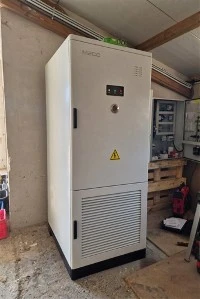
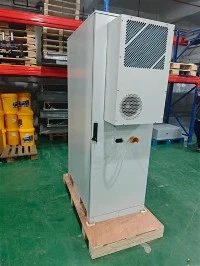
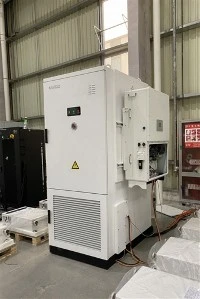
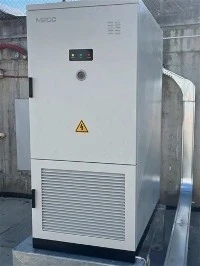
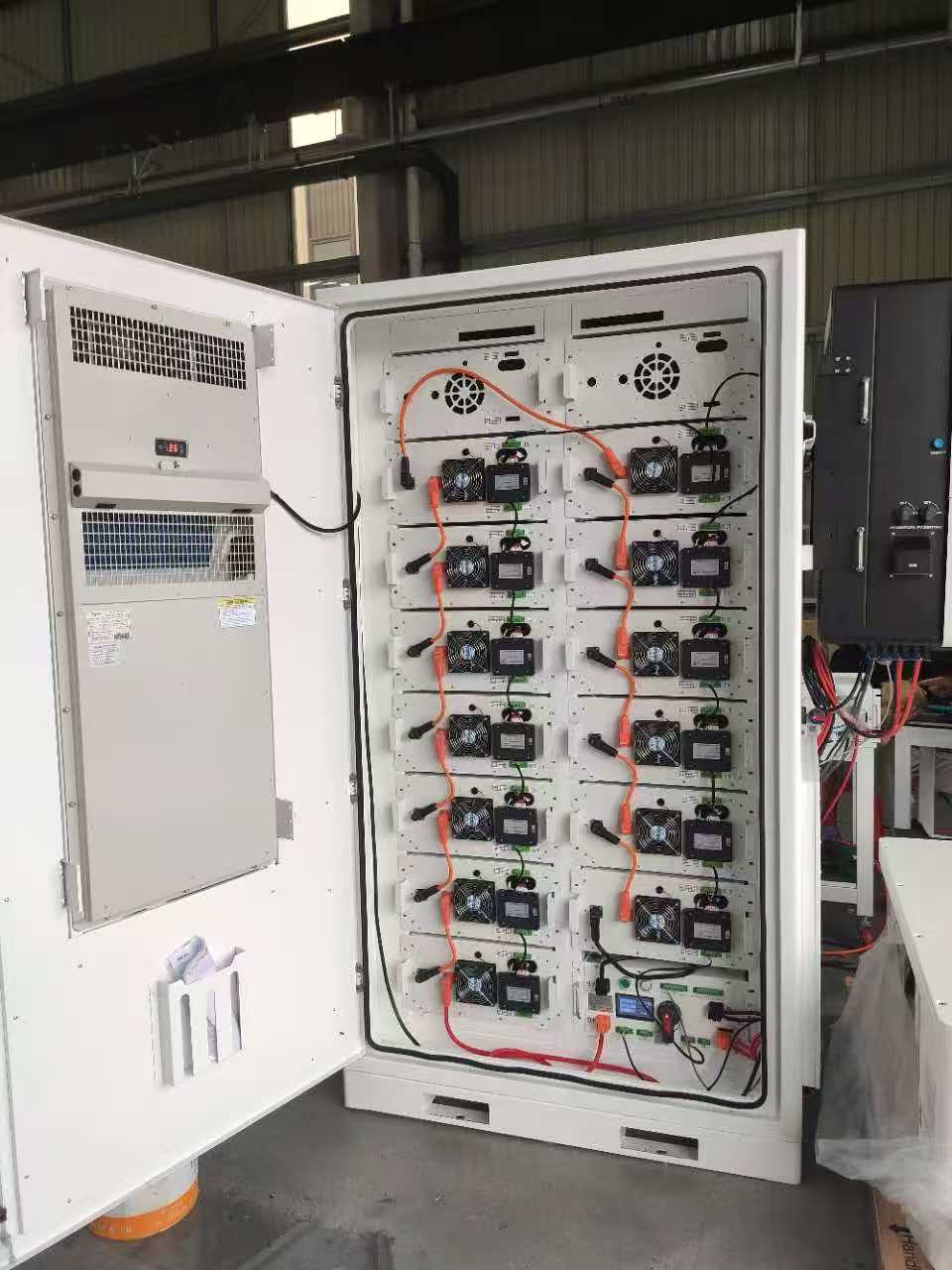
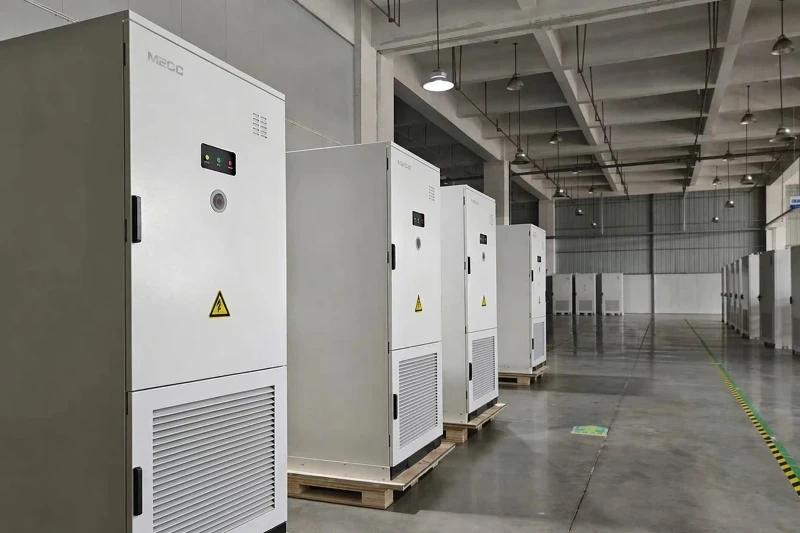
125KW 241kWh Battery Energy Storage System Cabinet
The BESS 125KW 241kWh Lithium Battery Energy Storage Cabinet is a high-power, large-capacity integrated energy storage solution engineered for medium-to-large commercial, industrial, and utility-scale applications. It integrates a 125kW high-performance bidirectional inverter, a 241kWh lithium iron phosphate (LiFePO4) battery bank, and a full-featured intelligent energy management system (EMS) into a modular cabinet design. This system enables efficient renewable energy storage, peak shaving, load shifting, grid frequency regulation, and emergency backup power supply. Ideal for large factories, shopping malls, industrial parks, utility-scale solar/wind farms, and microgrids, it enhances energy independence, reduces high grid demand charges, and supports the stable integration of high-penetration renewable energy into the grid.