


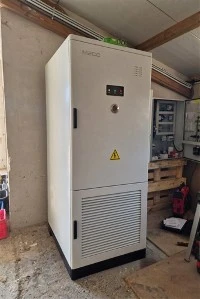
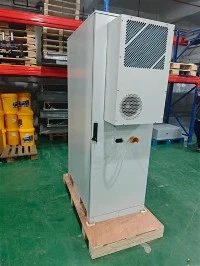
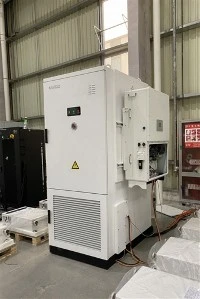
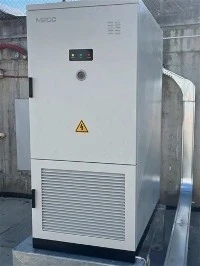
MECC Solar, a trusted provider of integrated battery energy storage solutions for global EPC contractors, installers and distribution partners, introduces its new outdoor all-in-one energy storage cabinet configured to work with high-voltage three-phase Deye inverters. The 261kWh storage unit adopts modular battery architecture, liquid cooling and intelligent temperature control, with an outdoor waterproof enclosure built to deliver steady performance across harsh operating environments. The combined system supports both grid-tied and off-grid operation, serving factories, remote island sites, agricultural farms and a broad range of commercial energy projects.
Reliable energy storage remains a critical challenge for projects located in regions with extreme ambient conditions. Many remote or semi-industrial sites face high temperatures, elevated humidity and heavy airborne dust, all of which degrade standard battery systems and reduce solar self-consumption rates over time. This integrated 261kWh cabinet is engineered to solve those pain points, pairing flexible modular battery design with robust thermal management and waterproof outdoor construction to unlock stable solar power utilisation for B2B buyers with mixed grid access requirements.
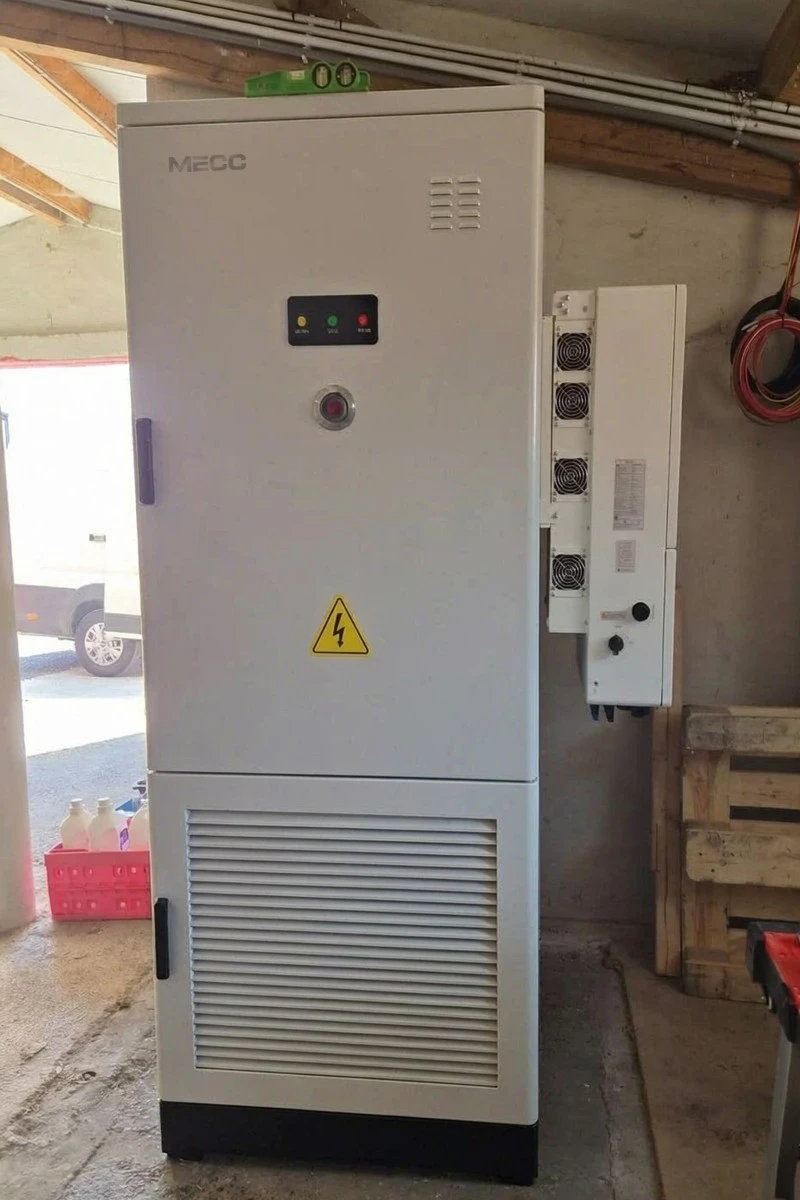
Core Product Architecture and Key Design Features
This 261kWh outdoor energy storage cabinet is purpose-built for compatibility with high-voltage three-phase Deye inverters, a widely recognised power conversion platform preferred by many solar integrators across Europe, Southeast Asia and Oceania. The pairing creates a unified energy ecosystem that simplifies system matching, communication setup and on-site troubleshooting for installation teams.
The battery stack uses a modular structure as its primary differentiator. Instead of fixed, non-adjustable capacity packs, individual battery modules can be added or removed to tune total usable energy according to site load profiles and budget plans. This modular layout gives dealers and project engineers greater freedom when drafting quotations. If a farm or small factory expects to expand energy demand in later phases, additional modules can be integrated without replacing the entire cabinet.
The outdoor-rated enclosure carries a waterproof construction suited for exposed installation locations. Inside the cabinet, a liquid cooling system works together with intelligent temperature control logic to regulate cell temperatures dynamically. Unlike basic air-cooled cabinets that struggle to remove heat consistently under high ambient heat, the liquid cooling loop maintains balanced operating temperatures across all modules. The system automatically adjusts cooling output based on real-time cell readings, avoiding unnecessary energy consumption while preventing overheating.
Technical Advantages for Installers and Asset Owners
Flexible Capacity Scaling with Modular Battery Design
Modular battery configuration lowers the entry barrier for customers with uncertain or growing energy loads. Project designers can start with a smaller energy capacity to fit current consumption, then scale up gradually as production lines expand, farm loads increase or additional solar arrays come online. This phased approach helps end users spread capital expenditure and align storage investment with actual return on energy savings.
For distributors, the modular setup also reduces inventory pressure. Standardised battery modules can be stocked separately and allocated to different project sizes, rather than holding multiple fully assembled cabinets of varying capacities. Service work becomes simpler too; faulty individual modules can be swapped out without taking the whole 261kWh system offline for extended periods.
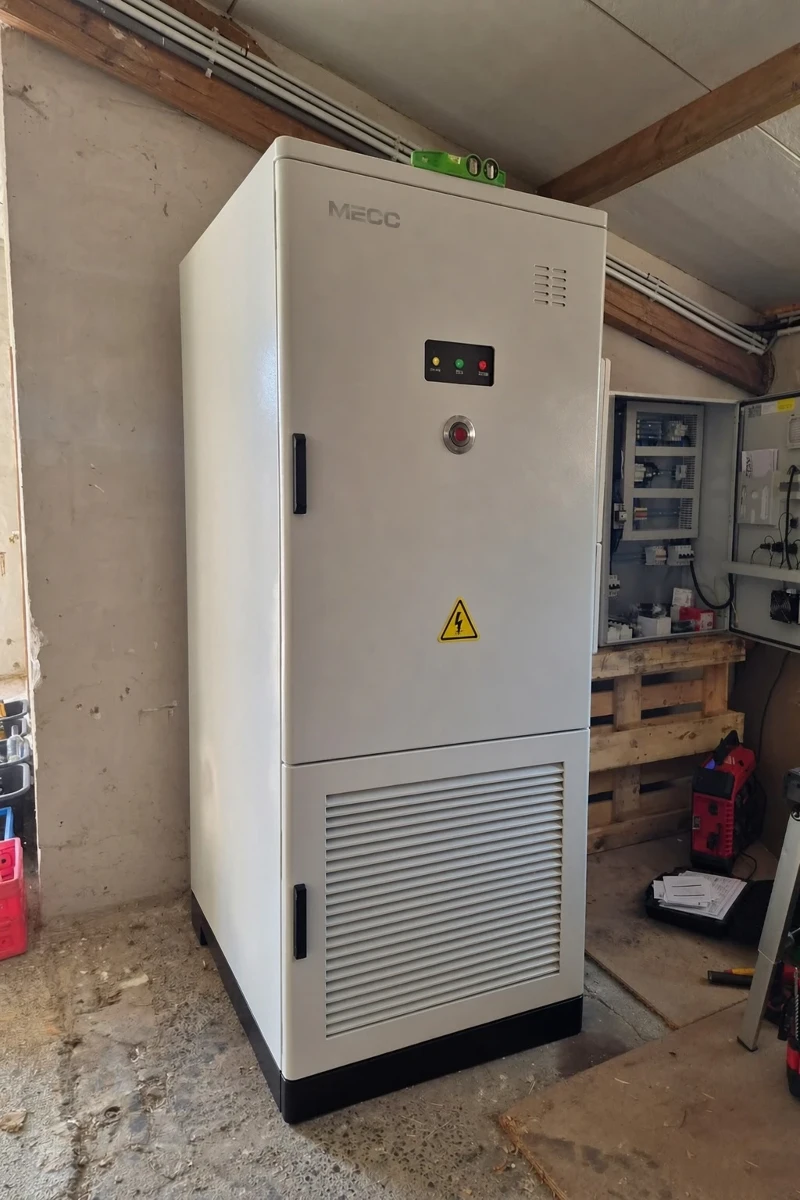
Stable Operation in Tough Outdoor Environments
Waterproof cabinet construction, liquid cooling and smart thermal controls together enable reliable operation in high-temperature, high-humidity and dusty sites. Island microgrids, uncovered farm yards and industrial perimeter zones often lack climate-controlled equipment rooms, making regular indoor battery solutions unsuitable. This cabinet is built to withstand those unconditioned environments while limiting thermal stress on lithium iron phosphate cells.
Consistent cell temperature management directly supports longer cycle life and more predictable performance. Sites operating under heavy solar generation in summer months will see less capacity fade, and the risk of unplanned shutdown triggered by over-temperature protection is significantly reduced. This stability helps asset owners maintain high solar self-consumption ratios month after month.
Dual-Mode Compatibility: Grid-Tied and Off-Grid Operation
Matched with the high-voltage three-phase Deye inverter, the storage cabinet supports two core operating modes. In grid-tied setups, the system stores excess solar power generated during daytime for evening use, cuts peak electricity charges and reduces reliance on utility supply. In off-grid deployments such as remote islands or isolated farm operations, the battery and inverter form a stable microgrid to supply critical loads independently when grid connections are absent or unreliable.
This dual-mode capability broadens the use cases for one single hardware platform. EPC partners can quote the same cabinet for solar self-consumption retrofits on grid-connected factories, as well as fully standalone power systems for locations with no utility infrastructure. It reduces the need for partners to source and stock separate storage products for on-grid and off-grid tenders.
Target Application Scenarios
The combined high-voltage Deye inverter and 261kWh outdoor storage cabinet is well suited for commercial and industrial sites with diverse energy needs.
Factories with rooftop PV arrays can deploy the system to maximise solar self-consumption, reduce peak demand charges and soften the impact of volatile grid electricity prices. Agricultural operations including crop farms, livestock facilities and greenhouses rely on consistent power for irrigation, ventilation and cold storage; off-grid or weak-grid farms benefit greatly from stored solar energy during extended low-sunlight periods. Remote island communities and tourism facilities, where grid extension is prohibitively expensive, use this storage solution to build sustainable solar microgrids.
Other typical deployments include rural commercial centres, logistics yards and remote processing plants. Where dust, humidity and high heat are persistent environmental factors, the cabinet's hardened outdoor design outperforms standard indoor storage units that require dedicated air-conditioned equipment shelters.
Market Value for B2B Partners
Integrators and distributors gain a flexible, field-proven storage option that aligns with popular Deye three-phase inverter hardware. Pre-tested compatibility cuts the risk of communication mismatches during commissioning, which is a common source of project delays in mixed-brand solar plus storage builds.
The modular capacity design, environmental resilience and dual grid/off-grid functionality create strong selling points for sales teams. Partners can clearly communicate benefits around scalable investment, reduced site preparation cost and stable solar savings even in difficult climates. For project developers handling portfolios across rural, coastal and industrial zones, this cabinet fills a key mid-range capacity slot between smaller commercial storage and large containerised energy storage systems.
Looking Ahead
MECC Solar continues to validate the system's performance under accelerated environmental testing, including high-humidity cycling, dust exposure and continuous charge-discharge runs. The 261kWh outdoor cabinet will join the company's existing energy storage lineup, expanding options for partners who prefer Deye high-voltage three-phase inverter integration.
EPC contractors, distributors and project developers seeking performance test reports, wiring guidelines, certification information and quotation support can reach the MECC Solar sales team to discuss site-specific requirements.
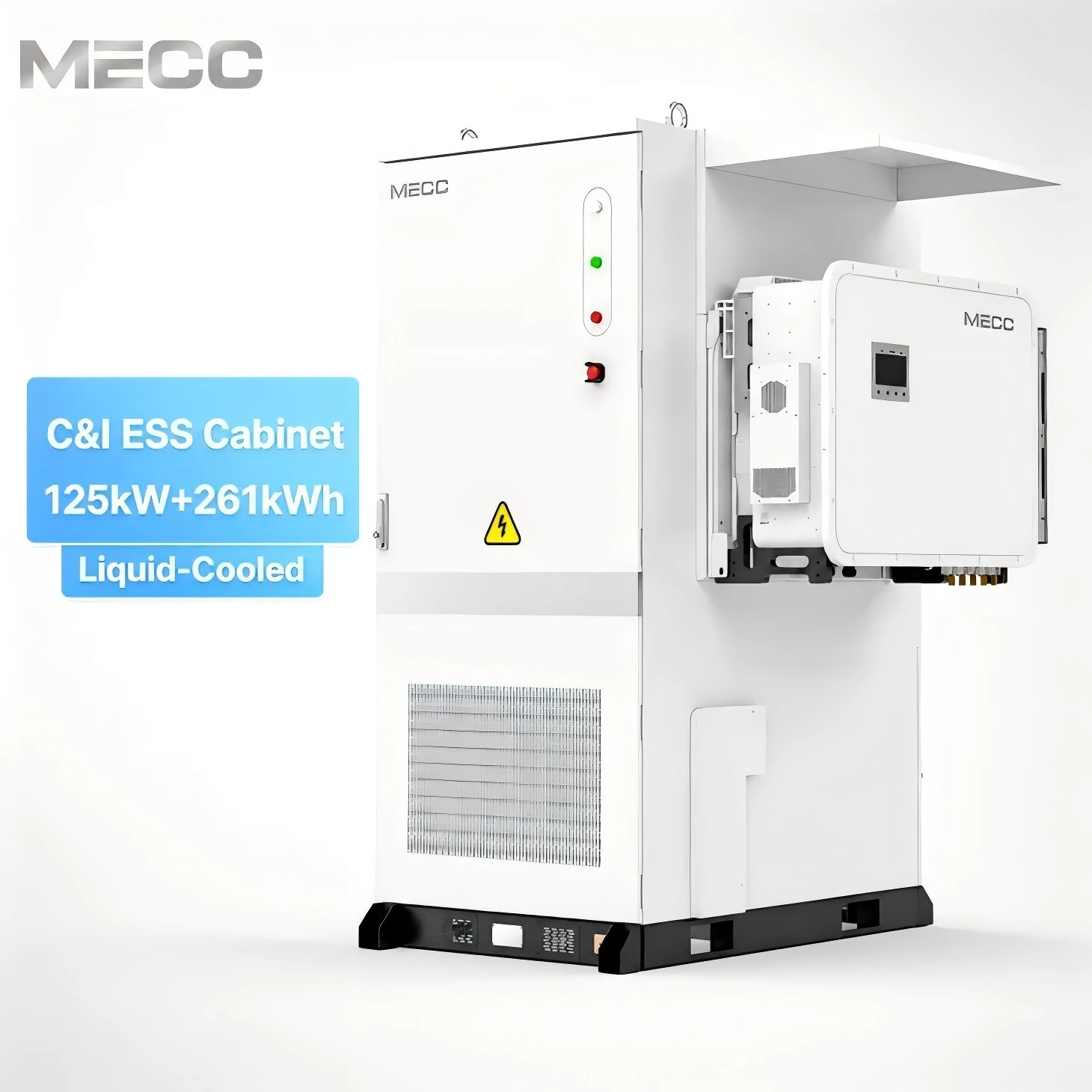
125KW 261kWh Liquid-Cooled Battery Energy Storage System Cabinet
The BESS 125KW 261kWh Lithium Battery Energy Storage Cabinet is a high-power, large-capacity integrated energy storage solution engineered for medium-to-large commercial, industrial, and utility-scale applications. It integrates a 125kW high-performance bidirectional inverter, a 261kWh lithium iron phosphate (LiFePO4) battery bank, and a full-featured intelligent energy management system (EMS) into a modular cabinet design. This system enables efficient renewable energy storage, peak shaving, load shifting, grid frequency regulation, and emergency backup power supply. Ideal for large factories, shopping malls, industrial parks, utility-scale solar/wind farms, and microgrids, it enhances energy independence, reduces high grid demand charges, and supports the stable integration of high-penetration renewable energy into the grid.