


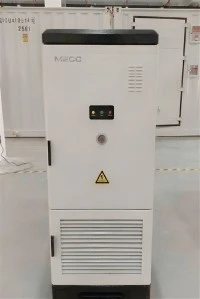
Cooling is not a footnote in a C&I battery energy storage system (BESS) - it quietly decides how long the system lasts, how densely you can pack energy, and how safe the site stays. As more buyers compare liquid-cooled vs air-cooled options, the choice has moved from a technical detail to a board-level decision. This practical comparison explains how each approach works, where each wins, and what it means for commercial battery storage total cost of ownership.

Why Cooling Decides System Lifespan
A commercial battery storage solution lives or dies by cell temperature. Lithium cells - almost always lithium iron phosphate (LFP) in modern C&I systems - age faster and risk thermal runaway prevention failures when hot spots form. Effective thermal management keeps every cell in a tight temperature band, protects the warranty, and supports the high cycle counts that drive battery storage ROI for businesses.
Most current systems run at 1500V DC, which raises energy density and makes uniform cooling even more important. That is why the air-vs-liquid debate matters more in 2026 than it did five years ago.
How Air-Cooled Storage Works
Air-cooled commercial battery storage moves heat out of the cabinet with fans and controlled airflow. The battery modules sit in racks where ambient or conditioned air carries heat away.
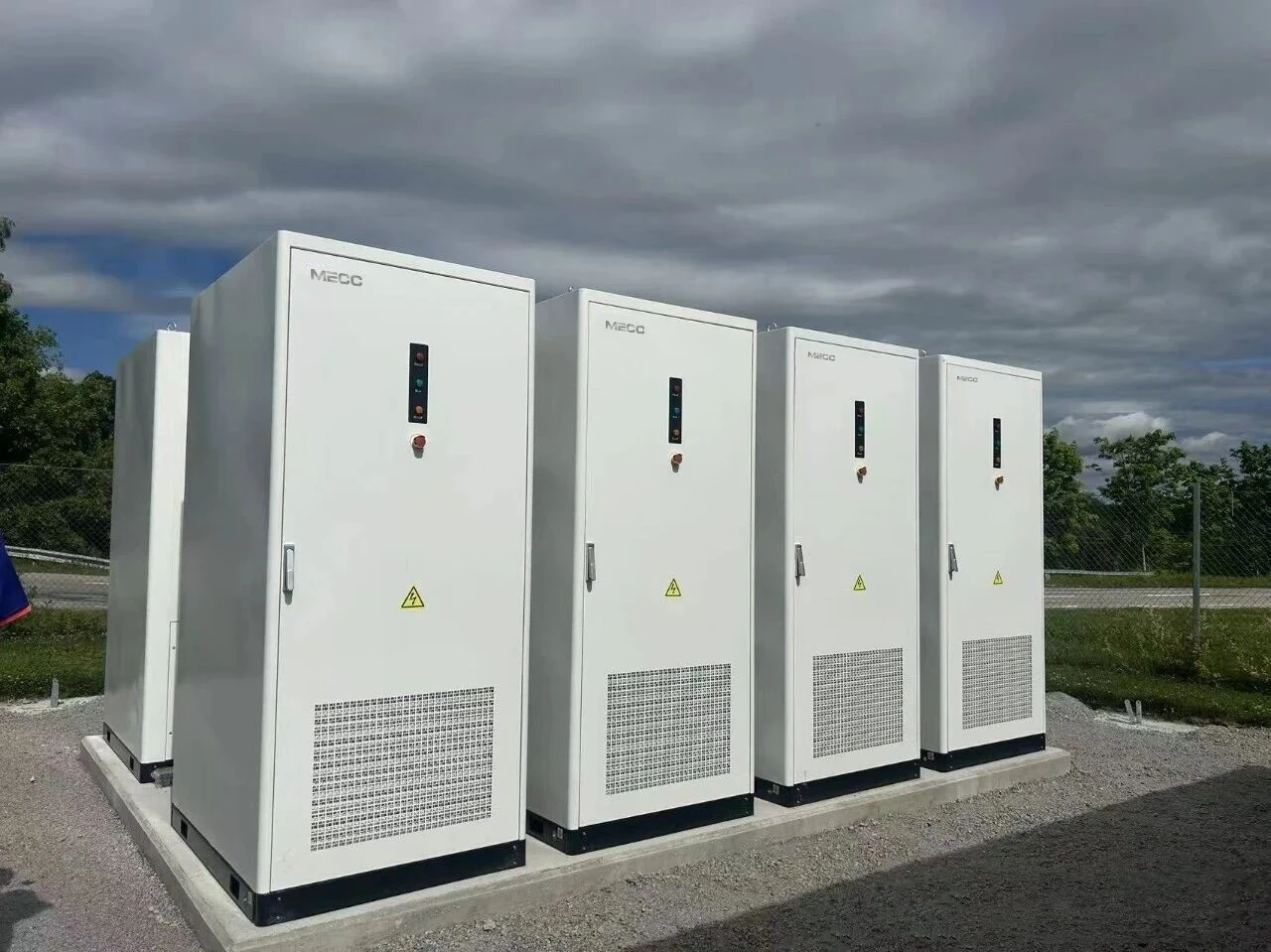
The appeal is simplicity. Air cooling has fewer components, lower upfront complexity, and is easier to service. For a modest 215 kWh commercial energy storage cabinet or a small all-in-one unit in a temperate climate, it is often enough. The trade-off is uniformity: as packs get larger and denser, it gets harder to keep every cell at the same temperature, which can shorten life and cap how much energy you fit in a given footprint.
How Liquid-Cooled Storage Works
Liquid-cooled systems circulate a dielectric or water-glycol coolant through cold plates or immersion paths in direct contact with the cells. This pulls heat out far more efficiently than air.
The result is tighter temperature control, higher safe energy density, and longer cycle life - the reasons liquid-cooled vs air-cooled has tilted toward liquid in large containerized C&I BESS 20ft and modular C&I BESS deployments. The cost is more engineering: pumps, seals, leak detection, and a coolant loop that must be validated during commissioning.
The Practical Trade-offs
On energy density, liquid cooling clearly leads - it lets you stack more usable kWh into the same cabinet or container, which matters when footprint is tight. On upfront cost, air cooling is cheaper to build and simpler to deploy, while liquid adds hardware and validation that raise the initial price. On lifespan and degradation, liquid's uniform temperature control typically delivers more cycles and steadier capacity over time, directly improving the C&I energy storage payback period. On service and failure modes, air is easier for local technicians to maintain; liquid introduces plumbing that demands trained handling. On climate fit, air cooling suits mild environments and lower-duty cycles, whereas hot warehouses, deserts, or high-cycle sites strongly favor liquid.
In practice: air cooling is the lean, low-complexity choice for smaller, cooler, lighter-duty sites; liquid cooling is the performance choice for large, hot, or high-cycle commercial and industrial loads.
Safety and Compliance Implications
Cooling strategy feeds directly into commercial battery storage safety. Better temperature control reduces thermal-runaway risk, and built-in fire suppression remains mandatory regardless of method. Any system you buy - from top C&I BESS manufacturers or a custom OEM/ODM energy storage manufacturer build - must clear UL 9540 / UL 9540A (fire and propagation testing), NFPA 855 (stationary storage installation), and IEC 62619 with regional CE / UKCA marks. Liquid systems add leak-detection and isolation requirements worth verifying during a site assessment.
Impact on Cost and Payback
The headline commercial energy storage cost per kWh is usually lower for air-cooled hardware, but that is only part of the story. Liquid cooling's longer life and higher usable density can lower effective cost per cycle, improving the C&I energy storage payback period on demanding sites. For a factory energy storage system running daily peak shaving plus arbitrage, the liquid premium often pays back through extra years of service. For a lightly used rooftop energy storage system, air cooling may be the more economical call.
Sizing and Site Assessment
Cooling choice should follow the load, not the other way around. Use a C&I energy storage sizing calculator during a free site assessment to set the right C-rate and duration, confirm behind-the-meter / grid-tied connection, and model duty cycles. High daily throughput and hot ambient strongly point to liquid; intermittent, mild-climate use can stay with air.
Choosing a Supplier
Compare best commercial energy storage systems 2026, weigh turnkey C&I energy storage against wholesale supply, and ask each vendor how their cooling architecture affects warranty, cycle life, and service. Request a transparent BESS price quote request that separates hardware, thermal system, and commissioning.
Unsure which cooling fits your duty cycle? Request a free on-site assessment - we'll model your throughput, climate, and footprint, then recommend air vs liquid with a projected payback.

125KW 241kWh Battery Energy Storage System Cabinet
The BESS 125KW 241kWh Lithium Battery Energy Storage Cabinet is a high-power, large-capacity integrated energy storage solution engineered for medium-to-large commercial, industrial, and utility-scale applications. It integrates a 125kW high-performance bidirectional inverter, a 241kWh lithium iron phosphate (LiFePO4) battery bank, and a full-featured intelligent energy management system (EMS) into a modular cabinet design. This system enables efficient renewable energy storage, peak shaving, load shifting, grid frequency regulation, and emergency backup power supply. Ideal for large factories, shopping malls, industrial parks, utility-scale solar/wind farms, and microgrids, it enhances energy independence, reduces high grid demand charges, and supports the stable integration of high-penetration renewable energy into the grid.