


Two terms come up in nearly every commercial storage conversation - peak shaving and load shifting - and they get mixed up constantly. Both use a C&I battery energy storage system (BESS) to lower your bill, but they attack different lines on that bill and are sized differently. This guide clears up the confusion so you can tell which one - or both - your site actually needs.

What Peak Shaving Targets
Peak shaving is about the demand charge. It focuses on your highest 15-minute peak demand in kW during the billing period, and on the $/kW rate the utility applies to it. The battery discharges during that brief spike so the grid sees a smaller peak. The win is measured in kilowatts avoided, not in all-day energy. This is the domain of energy storage for demand charge management, and it is often the single fastest payback in a commercial battery storage solution.
What Load Shifting Targets
Load shifting (closely tied to time-of-use arbitrage) is about the energy charge. It focuses on the cents-per-kWh price, which swings across a TOU tariff - cheap overnight, expensive in the evening. The battery charges when power is cheap and discharges when it is dear, capturing energy arbitrage revenue from the spread. The win is measured in kilowatt-hours moved from a high-price window to a low-price one.
The Core Difference in One Line
Peak shaving reduces the kW spike that sets your demand charge; load shifting moves kWh out of an expensive window to cut your energy charge. One is a short, sharp punch against a momentary peak; the other is a daily rhythm of fill-cheap, discharge-expensive. A behind-the-meter / grid-tied system can do either - and usually does both.
How They Overlap
The same hardware serves both. One lithium iron phosphate (LFP) battery at 1500V DC, run by the AI-based energy management system (EMS) with the power conversion system (PCS) and battery management system (BMS), can shave the midday demand spike and shift evening energy. On many tariffs the two run back-to-back in the same day, which is why owners rarely choose one over the other - they size for both and let the EMS coordinate.
Which Matters More for Your Site
It depends entirely on your tariff. A site with a steep demand charge and a sharp, brief peak gets most of its return from peak shaving. A site on a wide-spread TOU tariff with long expensive evenings gets most from load shifting. Some facilities are dominated by one; others benefit from both. A free site assessment on your interval data settles it.
Sizing Implications
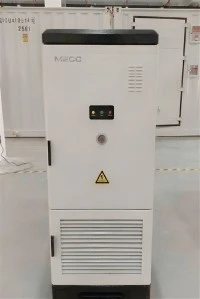
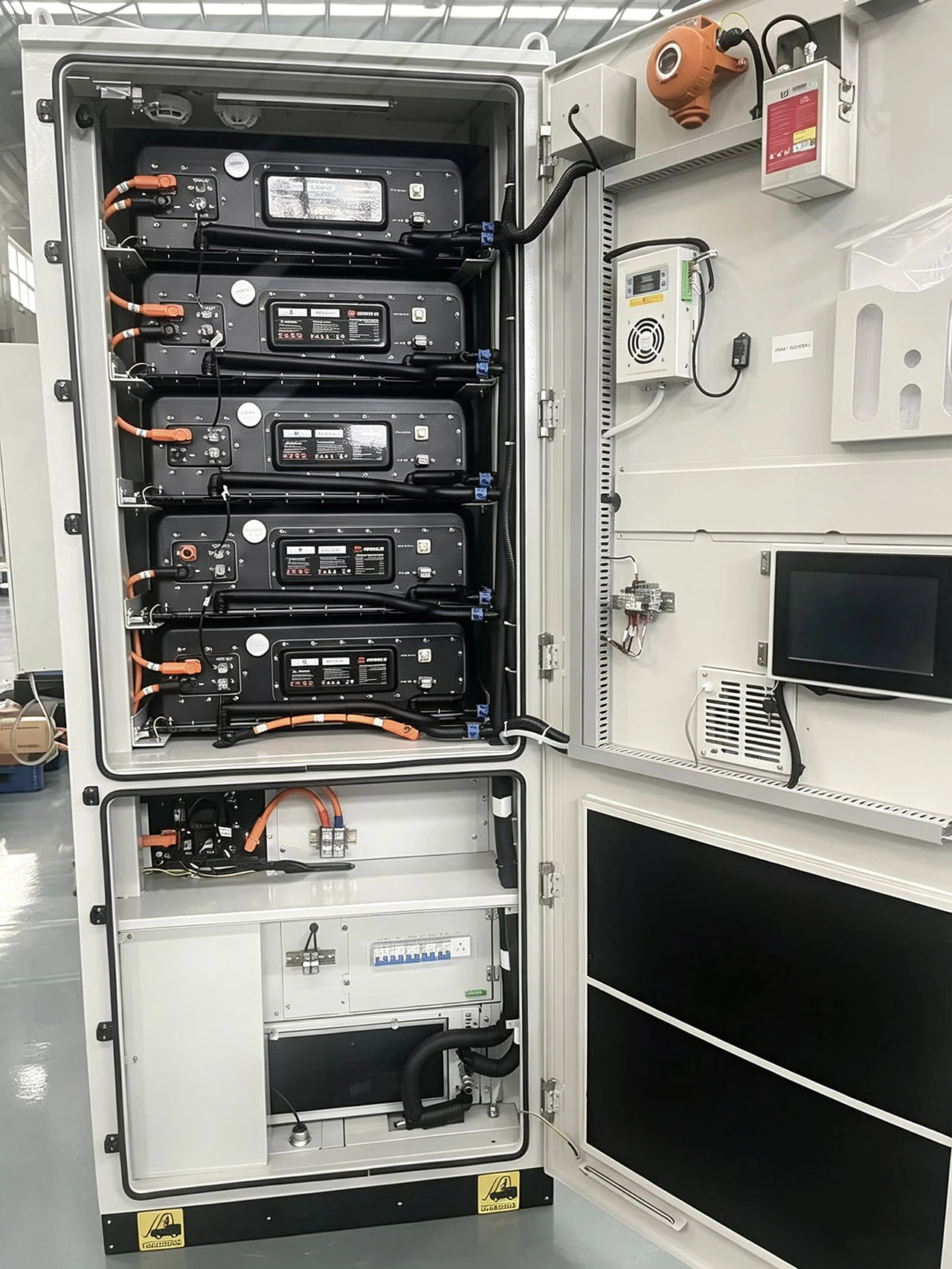
The two have different sizing logic, which is why how to size a commercial battery system starts with the bill, not the catalog. Peak shaving is driven by the shape of your spike - a high C-rate for a short duration if the peak is brief, more energy if it plateaus. Load shifting is driven by the length of the expensive window - more duration to cover the whole evening. A C&I energy storage sizing calculator maps both onto capacity built from standard 215 kWh commercial energy storage blocks, delivered as all-in-one cabinets, modular C&I BESS racks, or inside a containerized C&I BESS 20ft.
Stacking Both - Plus More
A battery sized for peak shaving and load shifting can also join demand response for utility payments and pair with commercial solar plus storage so midday PV - not just off-peak grid power - fills the battery. In a microgrid setup it adds outage resilience. Stacking these streams is what makes battery storage ROI for businesses work, and the commercial solar plus storage economics improve further when free sunlight replaces bought energy.
Cost and Payback
The commercial energy storage cost per kWh sets the denominator; the combined demand-charge and energy-charge savings set the numerator. Sites that capture both streams typically post the strongest C&I energy storage payback period, because the same hardware is working two shifts a day. Daily cycling also makes liquid-cooled vs air-cooled cooling and cycle life directly relevant to the return.
Safety and Compliance
Any system beside an occupied building must clear UL 9540 / UL 9540A, NFPA 855, and IEC 62619 with regional CE / UKCA marks, and must include fire suppression and thermal runaway prevention. These protect the asset - and therefore the savings - across the life of a factory energy storage system or rooftop energy storage system.
From Clarity to Quote
Compare best commercial energy storage systems 2026, weigh turnkey C&I energy storage against wholesale supply, and evaluate OEM/ODM energy storage manufacturer partners for custom builds. Ask top C&I BESS manufacturers for a transparent BESS price quote request that models both peak-shaving and load-shifting savings from your actual tariff.
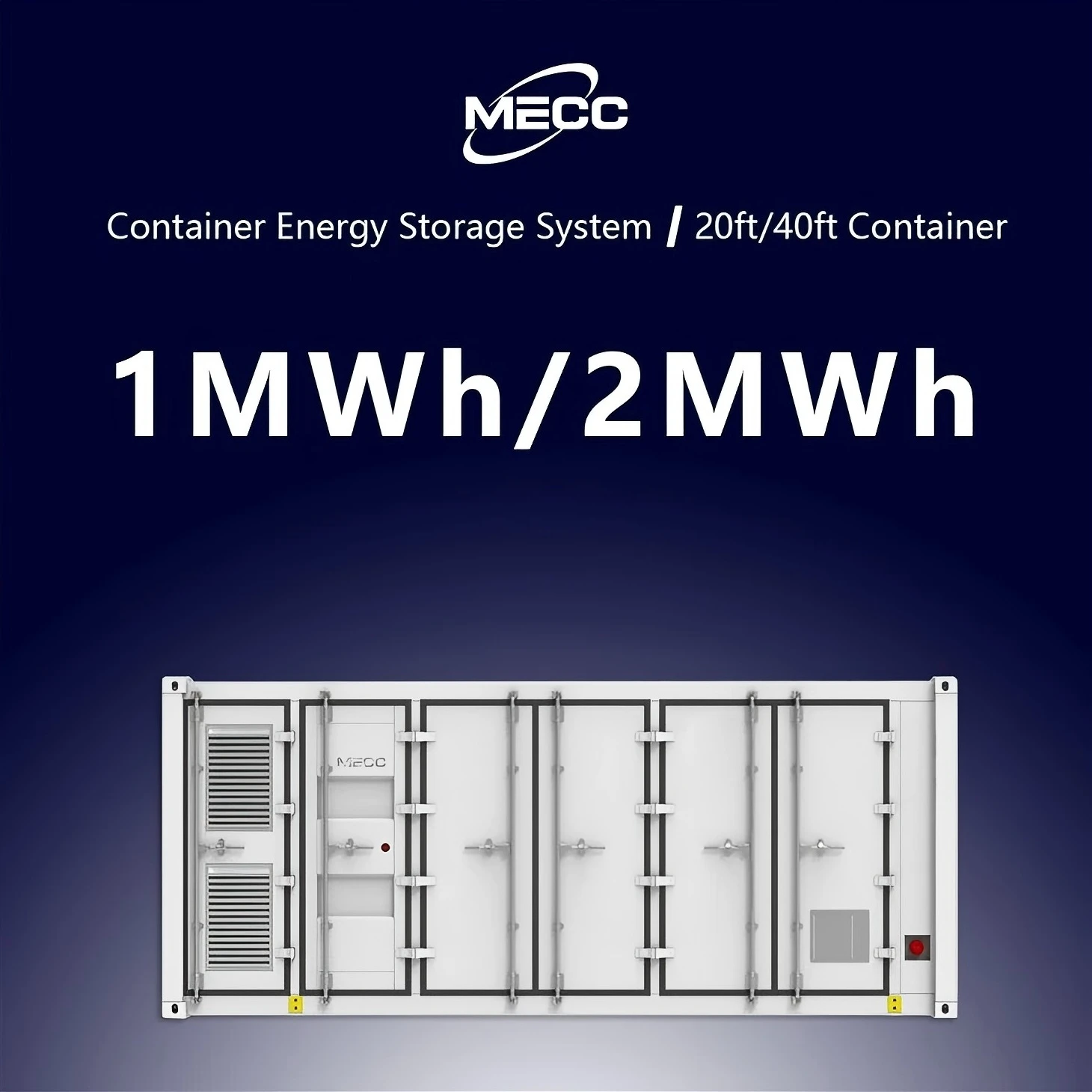
500KW/1MW 1MWh/2MWh Battery Energy Storage System Container
The 500kW/1MW 1MWh/2MWh Battery Energy Storage System Container is a turn‑key utility‑grade energy storage solution housed in standard 20ft or 40ft shipping containers, integrating bidirectional PCS, A‑grade LiFePO4 battery clusters, master BMS, liquid‑cooled thermal management, gas fire suppression, high‑voltage distribution and EMS energy management system with full factory pre‑assembly and pre‑commissioning. Requiring only foundation construction and high‑voltage cable connection for on‑site commissioning, it supports flexible power‑capacity configuration and multi‑container parallel expansion, delivering core capabilities of peak‑shaving and load shifting, renewable energy smoothing, frequency‑voltage grid support, islanded micro‑grid operation and large‑scale emergency backup. Featuring IP54 enclosure protection and comprehensive multi‑layer safety mechanisms, it adapts to diverse harsh outdoor environments, and is widely deployed for ground‑mounted PV power stations, industrial parks, mining operations, island microgrids and grid‑side auxiliary service projects to stabilize grid fluctuations, boost renewable energy utilization and reduce comprehensive energy costs.