




Lighting Up Africa With PV: MECC 1MW PV Project In N'Djamena, Chad
Considering the highly unstable power supply in Chad, with frequent power outages lasting an average of 20 hours per day, we have designed a one megawatt photovoltaic power generation system. This has helped meet the electricity needs of over 400 households in the area.
The 1 Megawatt photovoltaic project in N'Djamena, Chad is a significant renewable energy initiative. This project harnesses solar energy to generate electricity. It consists of a well - designed system with a certain number of high - quality solar panels installed in a suitable location in N'Djamena.
Groundbreaking 1 Megawatt Solar Photovoltaic Power Station in Chad by MECC
In a significant step towards a sustainable future, MECC has unveiled a remarkable 1 megawatt solar photovoltaic power station in Chad. This state-of-the-art facility is set to transform the energy landscape of the country.
The solar power station is a shining example of clean energy innovation. It harnesses the abundant power of the sun to generate electricity, reducing the nation's dependence on fossil fuels and minimizing environmental impact. With its advanced technology and high efficiency, the project is expected to provide reliable and clean power to local communities.
This initiative by MECC not only brings economic benefits but also contributes to the well-being of the people and the preservation of the environment. As the demand for clean energy continues to grow globally, Chad is taking a bold step forward with this solar power station.
The project showcases MECC's commitment to providing sustainable energy solutions and promoting a greener future. It is a testament to the company's expertise in the field of renewable energy and its dedication to making a positive impact on the world.


With the successful implementation of this 1 MW solar photovoltaic power station, Chad is on its way to becoming a leader in clean energy adoption in Africa. The nation is paving the way for a more sustainable and prosperous future, one powered by the sun.
The success of this solar photovoltaic project in N'Djamena serves as an inspiration for future sustainable energy initiatives in Chad and across Africa. It shows that with the right technology, expertise, and commitment, it is possible to harness the power of the sun to drive economic growth and environmental sustainability.
System Introduction in the Project
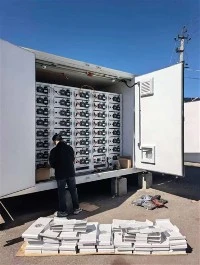
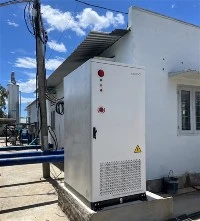
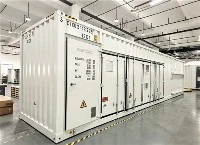
100KW/215KWh integrated smart energy storage module technology solution In the 1MW Project
This plan aims to establish a standardized and modular low-power integrated photovoltaic energy storage battery system; Mainly applied in the field of small-scale industrial and commercial energy storage; Smart modules can be used as standalone devices or in parallel with multiple devices; The single machine configuration scheme is as follows: using EVE 3.2V280Ah battery cells; Total electricity consumption: 215KWh; Configure a 100KW optical storage integrated PCS; Built in 2KW door mounted air conditioner; 3L heptafluoropropane fire protection device, lighting, monitoring and other devices; The operation strategy of the system can be customized according to different application scenarios to achieve maximum system efficiency and revenue.
Design reference standards
GB/T31484 Cycle life requirements and test methods for power batteries used in electric vehicles
GB/T31485 Safety requirements and test methods for power batteries used in electric vehicles
GB/T31486 Requirements and Test Methods for Electrical Performance of Power Batteries for Electric Vehicles
GB 4208-1993 Degrees of Protection Provided by Enclosures (IP Code)
GB 51048 Design Code for Electrochemical Energy Storage Power Stations
GB 50217 Design Standard for Electric Power Engineering Cables
GB/T 36276 Lithium ion batteries for electric energy storage
GB 50370 Design Code for Gas Fire Extinguishing Systems
GB/T 50065 Code for Grounding Design of AC Electrical Installations
GB 50116 Design Specification for Automatic Fire Alarm System
GB 50054 Code for Design of Low Voltage Power Distribution


Characteristics of energy storage system
Adopting mature, safe, economical, environmentally friendly, long-lasting, and memory free lithium iron phosphate batteries,
The design and testing of lithium iron phosphate batteries follow relevant national standards and other standards;
The battery has a large storage capacity and an energy conversion efficiency of up to 92%;
By adopting a comprehensive control strategy, the system conversion efficiency has been significantly improved, reaching an industry-leading level;
By adopting dynamic balancing battery management technology, battery maintenance can be quickly and automatically completed to meet the needs of various application scenarios;
The battery management system adopts multi-level management, which is flexible, reliable, and easy to expand and upgrade;
Real time monitoring of individual battery voltage and temperature, with configurable sampling time;
Adopting LCD touch screen design, monitoring is more intuitive and operation is more convenient;
CAN or RS485 (optional) interface design to reduce the difficulty of advanced application development for energy storage systems;
Unique system power design provides assurance for the safe and reliable operation of energy storage systems;
Adopting comprehensive and multi-level battery protection strategies and fault isolation measures to ensure the safe application of energy storage systems;
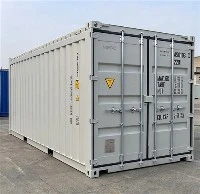
Container installation, high degree of modularity, simple structure, easy to install and maintain;
Choose an intelligent temperature control system with minimal temperature fluctuations;
The container is equipped with an automatic fire alarm and extinguishing system, and has sound and light alarm functions;
The container is equipped with temperature and humidity monitoring and door status detection devices;
Each container is equipped with a color network camera with video surveillance function;
Technical parameters of energy storage smart module
| Items | 100kW/215kWh Energy Storage Smart Module |
|---|---|
| External dimensions of energy storage smart module (mm) | 2400×1300×2560 mm |
| Total weight of energy storage system (kg) | 3000 ± 100 kg |
| Rated voltage of battery system (V) | 768V |
| Voltage range of battery system (V) | 672 - 846V |
| Rated capacity of battery system (Ah) | 215kWh |
| Maximum continuous current of DC side (A) | 256 |
| Recommended SOC working range | 5 - 100% |
| Working temperature range | Charging: 0 - 55°C, Discharging: -20 - 60°C |
| Cooling method of battery system | Air - conditioning/Forced air - cooling |
| Air - conditioning system power | 2kW |
| Fire - fighting system | Cabinet - type heptafluoropropane gas fire - extinguishing device (3L) |
| Rated power of PCS (kW) | 100 |
| Output overload capacity | 110% |
| Output connection mode | Three - phase four - wire |
| Allowed grid voltage (Vac) | 400V |
| Allowed grid frequency (Hz) | 50/60 (Configurable) |
| Power factor | > 0.99 (Adjustable) |
| Maximum continuous current on AC side (A) | 147 |
| Allowed altitude | ≤2000m |
| Allowed relative humidity | 5% - 95% |
| Noise (dB) | ≤70 |
| Protection level | IP54 |
| System energy efficiency | ≥88% |
| Specification of cables connecting energy storage system to grid | It is recommended to use one 50mm² cable for each phase |
| Communication mode (Multi - set and parallel) | LAN (Realize overall scheduling with EMS system communication) |
| Fire - fighting alarm | Equipped with fire - fighting alarm, gas release non - entry, manual/automatic start - up device |
| Definition of external output interface | 1. AC input/output interface: A/B/C/N phase (50mm² cable) 2. Photovoltaic input interface: DC +/DC - (50mm² cable) 3. Anti - reverse flow inverter interface: U: A/B/C/N; I: CT1 - S1/CT2 - S1/CT3 - S1/S2 (2.5mm² wire) 4. Communication interface: RJ45 (6 - category network cable) |
Technical parameters of optical storage integrated machine
| Product Model | PWG2 - 100K |
|---|---|
| AC Parameters | |
| Rated AC Power (kW) | 100 |
| Wiring Method | Three - phase four - wire |
| AC Overload Capacity (kW) | 110 |
| Allowed Grid Voltage (Vac) | 400 (- 15% ~ 15%) |
| Allowed Grid Frequency (Hz) | 50/60 (- 2.5 ~ 1.5) |
| Total Current Harmonic Distortion | ≤3% |
| Power Factor | 0.99 / - 1 ~ 1 |
| DC Parameters | |
| Maximum DC Power (kW) | 110 |
| Battery Voltage Range (Vdc) | 250 ~ 600 |
| Photovoltaic Voltage Range (Vdc) | 600 ~ 900 |
| Maximum DC Current (A) | 260 |
| Voltage Regulation Precision | ≤ ± 1% |
| Current Regulation Precision | ≤ ± 1% |
| System Parameters | |
| Maximum Conversion Efficiency | 95.5% |
| Other Parameters | |
| Size (Width × Height × Depth mm³) | 800 × 2160 × 800 |
| Weight (kg) | 520 |
| Noise (dB) | < 75 |
| Protection Level | IP20 |
| Allowed Ambient Temperature | - 20 ~ 60 °C (Derating above 50 °C) |
| Allowed Relative Humidity | 0 ~ 95% (Non - condensation) |
| Allowed Altitude | 3000m |
| Communication Parameters | |
| Communication Interface | RS485, Ethernet, CAN |
| Communication Protocol | Modbus TCP/RTU, IEC104 |
| BMS Access | Supported |
Internal system design

01.Fire protection system design
02.Thermal Management System
03.Lighting System
04.Electrical Distribution System
05.Metering system