


Key nodes in the technological evolution of container energy storage systems
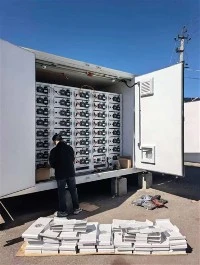
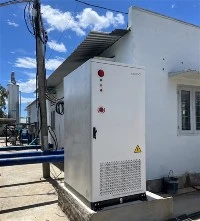
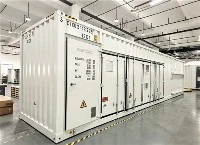
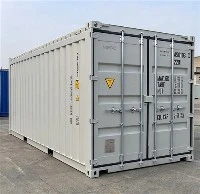
The development of container energy storage systems is not achieved overnight. Early container energy storage systems had relatively single functions and mainly focused on integrating energy storage components such as batteries into containers to achieve simple energy storage and release. With the growth of energy demand and the gradual maturity of technology, there have been breakthroughs in various aspects of its technology. In terms of battery technology, there has been a gradual transition from lead-acid batteries to lithium-ion batteries, especially lithium iron phosphate batteries, which have become the mainstream choice for container energy storage systems due to their high safety, long cycle life, and good charging and discharging performance. This transformation greatly enhances the energy density and overall performance of energy storage systems. For example, early lead-acid battery container energy storage systems had an energy density of only a few tens of Wh/L, but with the use of lithium iron phosphate batteries, the energy density can be increased to 100-150Wh/L, allowing containers of the same volume to store more electrical energy.

The integration and application of emerging technologies in container energy storage systems
Deep integration of intelligent thermal management technology
The impact of temperature on battery performance is extremely significant, as temperatures that are too high or too low can shorten battery life and reduce charging and discharging efficiency. The emerging intelligent thermal management technology achieves precise control of battery temperature by introducing advanced sensors and intelligent control systems. For example, using a liquid cooling circulation system, the heat generated by the battery is efficiently carried away through the circulation of coolant in the battery pack. At the same time, combined with intelligent algorithms, the flow rate and temperature of the coolant are dynamically adjusted based on the real-time temperature of the battery, ensuring that the battery is always in the optimal operating temperature range. This intelligent thermal management technology not only improves the safety and stability of batteries, but also extends their lifespan. According to testing, the application of intelligent thermal management technology in container energy storage systems can extend battery life by 20% -30%.
Upgrade and optimization of advanced energy management system
The advanced energy management system (EMS) utilizes cutting-edge technologies such as big data analysis and artificial intelligence to achieve intelligent and refined management of container energy storage systems. EMS can collect real-time load data of the power grid, renewable energy generation data, and the operation data of the energy storage system itself. Through big data analysis, it can predict the future energy supply and demand situation and formulate the optimal charging and discharging strategy. For example, when predicting the upcoming peak electricity consumption, EMS controls the discharge of the energy storage system in advance to provide additional power support to the grid; When there is an excess of renewable energy generation, adjust the energy storage system in a timely manner for charging to avoid energy waste. In addition, the fault diagnosis function based on artificial intelligence can quickly identify potential faults in the energy storage system and issue timely warnings, greatly improving the reliability and operation efficiency of the system.
Innovative application of new materials in system components
The application of new materials in the components of container energy storage systems has also brought new opportunities for improving their performance. For example, in the field of battery electrode materials, new high conductivity and high stability materials have been developed, which can improve the charging and discharging speed and energy conversion efficiency of batteries. In terms of container body materials, high-strength, lightweight, and well insulated composite materials are used, which not only reduces the weight of the entire system, facilitates transportation and installation, but also enhances the insulation effect of the body, helps maintain a stable temperature environment inside the box, and reduces the energy consumption of the heat management system. The application of these new materials has optimized the performance of container energy storage systems from multiple aspects, promoting their development towards higher efficiency and reliability.

The comprehensive impact of technological innovation on the performance improvement of container energy storage systems
Significant optimization of performance indicators
Technological innovation has significantly optimized the performance indicators of container energy storage systems. The increase in energy density enables containers to store more electrical energy in limited spaces, meeting the growing demand for large-scale energy storage. Taking a well-known brand's container energy storage system as an example, after technological upgrades, its energy density has increased from 120Wh/L to 150Wh/L, and the energy storage capacity has correspondingly increased by 25%. The charging and discharging efficiency has also been significantly improved, with advanced energy storage converters (PCS) and optimized battery management systems (BMS) increasing the system's charging and discharging efficiency from around 85% in the early days to over 95%, reducing energy loss during the conversion process. Meanwhile, the extension of battery cycle life reduces the operating costs of the system. The original battery cycle life was around 2000 times, but with the adoption of new technology, the cycle life can reach over 5000 times, greatly reducing the frequency of battery replacement and improving the economy and stability of the system.
Expansion and adaptation of application scenarios
The improvement in performance has expanded the application scenarios of container energy storage systems. In remote areas, due to insufficient power grid coverage, traditional electricity supply is difficult to meet demand. Container energy storage systems with high energy density, long endurance, and good stability can be combined with local renewable energy generation equipment (such as small wind turbines and solar panels) to build independent microgrids, providing reliable power supply for local residents and small businesses. In the industrial field, for some production processes that require extremely high power stability, such as semiconductor manufacturing, precision electronic processing, etc., container energy storage systems can quickly switch to backup power when the power grid fluctuates or fails, ensuring the continuity of production and avoiding huge economic losses caused by power outages. In addition, at electric vehicle fast charging stations, container energy storage systems can alleviate the impact of fast charging on the power grid by charging during low demand periods and providing additional power for electric vehicle charging during peak hours, thereby improving the operational efficiency and service quality of fast charging stations.
