


As the core equipment of photovoltaic power generation systems, inverters are used to convert the variable DC voltage generated by photovoltaic modules into AC power at the mains frequency, which is one of the important system balances in photovoltaic array systems. At present, the common inverters on the market are centralized inverters, string inverters, and micro inverters. Below, we will compare and analyze these three types of inverters.
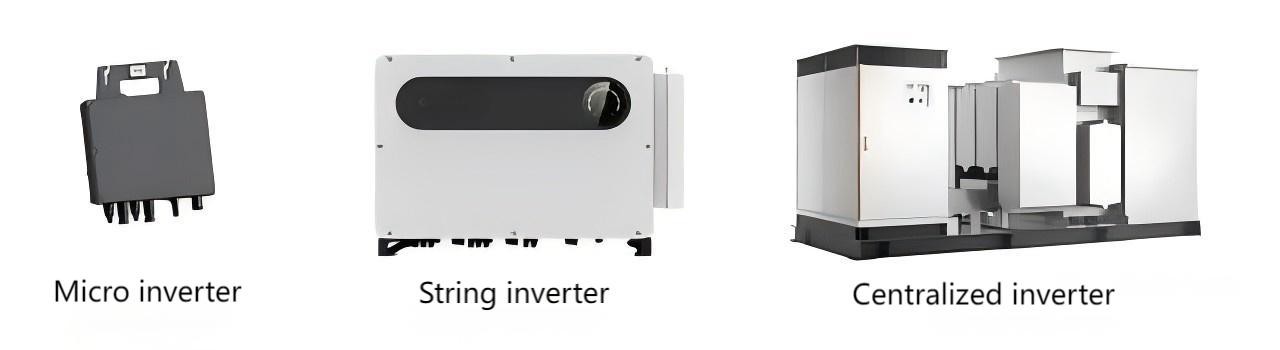
1 Centralized inverter

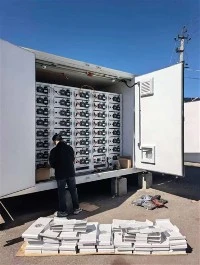
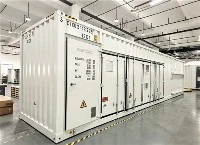
Inverter technology is the connection of several parallel photovoltaic strings to the DC input terminal of the same centralized inverter. Generally, three-phase IGBT power modules are used for high-power systems, and field-effect transistors are used for low-power systems. At the same time, DSP conversion controllers are used to improve the quality of the generated electrical energy, making it very close to sine wave current. It is generally used in large photovoltaic power plant systems greater than 10KW.
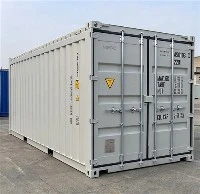
Centralized inverters are generally used in large-scale power generation systems such as factories, desert power stations, and ground power stations with uniform sunlight. The total power of the system is large, usually above the megawatt level.
The main advantages are:
1. The number of inverters is small, making it easy to manage;
2. The inverter has a small number of components and high reliability;
3. Low harmonic content, low DC component, and high power quality;
4. Inverter has high integration, high power density, and low cost;
5. The inverter has complete protection functions and high safety of the power station;
6. It has power factor regulation function and low voltage ride through function, with good grid regulation performance.
The main drawbacks are:
1. The fault rate of DC combiner box is high, which affects the entire system;
2. The MPPT voltage range of centralized inverters is narrow, generally 450-820V, and the component configuration is not flexible. The power generation time is short in areas with cloudy and foggy weather;
3. The installation and deployment of inverter machine rooms are difficult and require dedicated machine rooms and equipment;
4. The inverter itself consumes a lot of power and the ventilation and heat dissipation in the computer room consume a lot of electricity, making system maintenance relatively complex;
5. In a centralized grid connected inverter system, the component array reaches the inverter through two confluences. The maximum power tracking function (MPPT) of the inverter cannot monitor the operation of each component, so it is impossible to keep each component at its optimal working point. When a component fails or is blocked by shadows, it will affect the power generation efficiency of the entire system;
6. There is no redundancy capability in the centralized grid connected inverter system. In the event of a fault shutdown, the entire system will stop generating electricity.
MECC Hybrid Inverter
Single Phase/Split Phase/Three Phase Inverter to meet different using environment, with IP65/IP66 Protection Level


2 String inverter

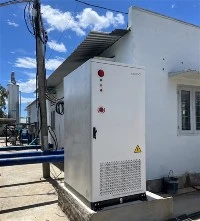
The string inverter is based on the modular concept, where each photovoltaic string (1-5kw) passes through an inverter with maximum power peak tracking at the DC end and parallel grid connection at the AC end. It has become the most popular inverter in the international market today.
String inverters are mainly used for small and medium-sized rooftop photovoltaic power generation systems and small ground power stations.
The main advantages are:
1. The string inverter adopts a modular design, with each photovoltaic string corresponding to an inverter. The DC end has maximum power tracking function, and the AC end is connected in parallel to the grid. Its advantage is that it is not affected by module differences between strings and shadow obstruction, while reducing the mismatch between the optimal operating point of photovoltaic modules and the inverter, and maximizing power generation;
2. The MPPT voltage range of string inverters is wide, generally ranging from 250-800V. The component configuration is more flexible, and the power generation time is longer in areas with cloudy and foggy weather;
3. The string type grid connected inverter has a small volume, light weight, and is very easy to transport and install. It does not require professional tools and equipment, nor does it require a dedicated distribution room. It can simplify construction and reduce land occupation in various applications. DC line connections also do not require DC combiner boxes or DC distribution cabinets. The string type also has advantages such as low self power consumption, minimal fault impact, and easy replacement and maintenance.
The main drawbacks are:
1. There are many electronic components, with power devices and signal circuits on the same board, making it difficult to design and manufacture, and slightly less reliable;
2. The electrical clearance of power devices is small, making them unsuitable for high-altitude areas and outdoor installation. Wind and sun exposure can easily cause aging of the casing and heat sink;
3. Without an isolation transformer design, the electrical safety is slightly poor and not suitable for the negative grounding system of thin-film components. The DC component is large and has a significant impact on the power grid;
4. When multiple inverters are connected in parallel, the total harmonic is high, and the THDI of a single inverter can be controlled to over 2%. However, if more than 40 inverters are connected in parallel, the total harmonic will be superimposed and difficult to suppress;
5. With a large number of inverters, the total failure rate will increase, making system monitoring difficult;
6. Without DC circuit breakers and AC circuit breakers, and without DC fuses, it is not easy to disconnect when the system malfunctions;
7. A single inverter can achieve zero voltage ride through function, but when multiple machines are connected in parallel, it is difficult to achieve zero voltage ride through function, reactive power regulation, active power regulation, and other functions.
3 Micro inverter

Micro inverters can achieve maximum power point tracking at the panel level, with advantages over central inverters. This can optimize the output power of each module to maximize the overall output power.
The main advantages are:
1. When one or even multiple modules fail, the system can still continue to provide electricity to the grid with high availability; Multiple redundant modules can be optionally configured to improve system reliability;
2. Flexible configuration, allowing users to install photovoltaic cells according to their financial capacity in the home market;
3. Effectively reduce the impact of shadows caused by local masking on output power;
4. No high voltage electricity, safer, simpler and faster installation, lower maintenance and installation costs, and reduced dependence on installation service providers;
5. By increasing the power generation of each inverter module and tracking the maximum power, the maximum power point of a single component can be tracked, which can greatly increase the power generation of the photovoltaic system by 25%.
The main drawbacks are:
1. The application scenarios of micro inverters are generally suitable for rooftop households, but their applications are limited;
2. The cost of micro inverters is relatively higher compared to centralized inverters and string inverters.
Through comparative analysis, string inverters have advantages over centralized inverters and micro inverters in terms of failure rate, system safety, and operation and maintenance costs. They have better system reliability and can ensure the long-term safe and reliable operation of power plants.