






Newly produced lithium batteries require a series of rigorous tests to ensure their performance, safety, and reliability. Here is a detailed summary of these tests:
1. Physical property testing
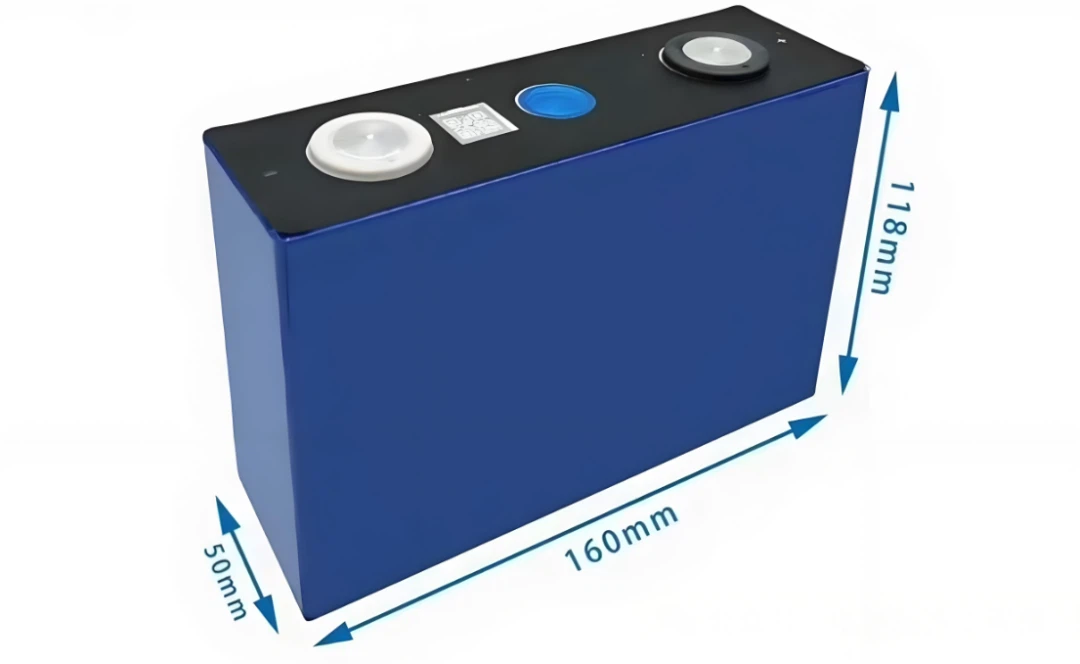
Size and weight testing: Measure the size and weight of the battery to ensure they meet the design requirements.
Appearance inspection: Check for defects or damage to the battery casing, terminals, labels, etc.
Shell strength test: Testing the strength and durability of battery shells by applying pressure or squeezing force.
2. Electrical performance testing
Capacity testing: By using specific charging and discharging equipment, charge and discharge the battery according to the set current and time, and measure whether the amount of electricity discharged reaches the nominal capacity.
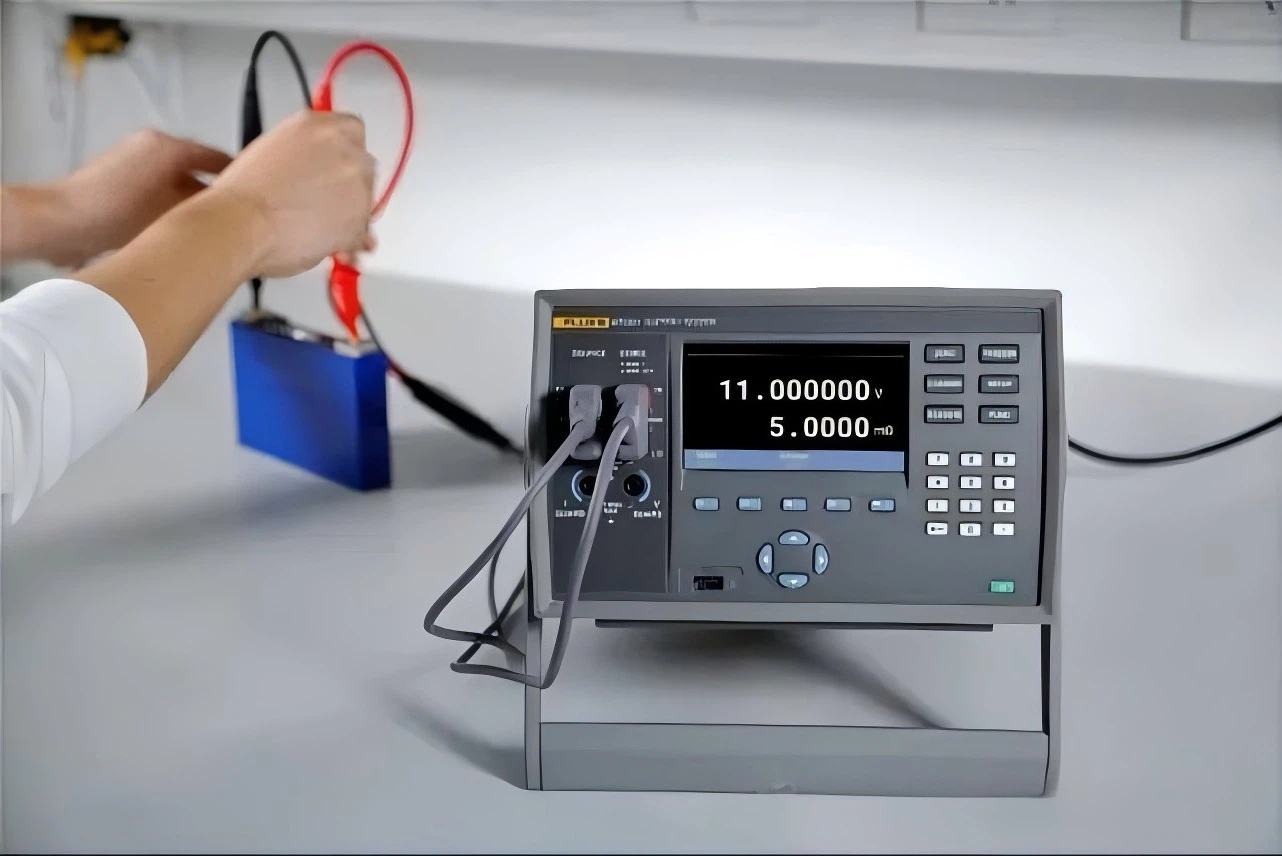
Internal resistance test: Use a professional internal resistance tester to measure the internal resistance value of the battery in different states (such as charging, discharging, and standing). Internal resistance reflects the resistance inside the battery and has a significant impact on the battery's power output, charging efficiency, and self discharge performance.
Voltage testing: including measurement of open circuit voltage and operating voltage. Open circuit voltage refers to the terminal voltage of a battery when not connected to a load, while operating voltage is the actual output voltage of the battery under load conditions. Testing the voltage changes under different conditions can evaluate the performance stability of the battery and its compatibility with the device.

Rate performance test: Test the performance of the battery at different charge and discharge rates. The higher the rate, the greater the charge and discharge current. For example, testing the capacity, internal resistance, voltage and other parameters of the battery at different rates such as 0.5C, 1C, 2C, etc., to understand the performance changes of the battery during rapid charging and discharging, and whether it can meet the requirements of high-power application scenarios.
Self discharge test: measures the rate of natural discharge of the battery in a static state. The lower the self discharge rate, the better the storage performance of the battery.
Discharge characteristic testing: including battery discharge curve, discharge efficiency, etc.
3. Security testing (needs to be conducted in special testing institutions, which usually have professional testing equipment and technical personnel to ensure the accuracy and reliability of the testing, and provide detailed testing reports and certifications)
Overcharge test: Simulate the performance of the battery under overcharging conditions, check whether the battery has safety protection mechanisms, such as whether the overcharge protection circuit will be triggered, whether the battery will heat up, expand, or even catch fire or explode, etc.
Overdischarge test: to verify the safety of the battery during excessive discharge. Excessive discharge may cause irreversible damage to the battery and reduce its lifespan.
Short circuit test: Artificially creating a short circuit between the positive and negative electrodes of a battery, observing whether the battery's short circuit protection function is effective, as well as the temperature changes and whether the battery will smoke or catch fire during a short circuit.
Acupuncture test: Pierce the battery with a sharp object (such as a steel needle) to simulate the situation when the battery is pierced by a sharp object, and check whether the battery will undergo a violent chemical reaction, fire, or even explosion.

Squeezing test: Place the battery in a squeezing device and apply a certain pressure to test the safety and stability of the battery when subjected to external force squeezing.
Heavy impact test: Apply instantaneous impact force to the battery to test its safety and stability when subjected to external impact.
Thermal stability test: Place the battery in different temperature environments (such as high and low temperatures) to observe changes in battery performance and whether there will be thermal runaway issues.
4. Environmental adaptability testing
Temperature cycling test: The battery is cycled multiple times in different temperature ranges, such as from low temperature to high temperature and back to low temperature, to test the performance stability and reliability of the battery during temperature changes.
Humidity testing: For lithium batteries that may be used in humid environments, such as outdoor equipment batteries, humidity testing is required to evaluate their performance and reliability in high humidity environments.

Vibration testing: Simulate the vibration that batteries may experience during transportation and use, and test the structural strength and connection reliability of the battery.
Low pressure test: Simulate the use of batteries in high-altitude or low-pressure environments to check for battery leakage or bulging.
5. Other tests
Electromagnetic compatibility (EMC) testing: Evaluating the interference and anti-interference ability of batteries in electromagnetic environments.
Environmental performance testing: detecting the content of heavy metals, harmful substances, etc. in the battery to ensure that it meets environmental requirements.
Cycle life test: By conducting multiple charge and discharge cycles on the battery, observe the capacity decay of the battery to evaluate its service life.
In summary, newly produced lithium batteries require a series of comprehensive and rigorous tests to ensure their performance, safety, and reliability. These tests cover physical characteristics, electrical performance, safety, environmental adaptability, and many other aspects, providing strong guarantees for the quality control and subsequent application of batteries.