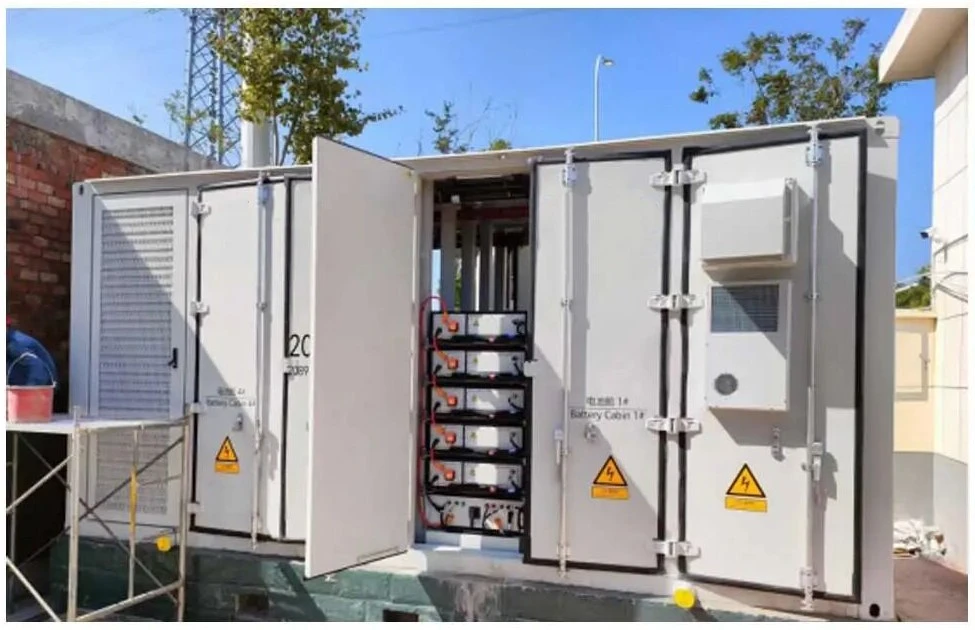
For high‑energy‑consumption manufacturing enterprises, production capacity is constrained by fully‑loaded transformers during peak electricity hours, while large peak‑valley tariff gaps keep overall power expenditure high. To address these two core bottlenecks, the plant deployed 8 units of 125 kW string‑type PCS converters. This behind‑the‑meter energy‑storage project breaks transformer capacity constraints to unlock production potential, delivers significant cost savings through peak‑valley arbitrage, and simultaneously improves power‑supply reliability and on‑site power quality.
The manufacturing facility faces prominent operational obstacles. During daytime production peaks, the transformer reaches its upper load limit. Once actual power draw exceeds the transformer rated capacity, the plant has to throttle or suspend part of its production lines to avoid overload tripping, which directly constrains output and causes economic losses. Besides, significant peak‑valley tariff differences push up monthly electricity bills. Without flexible energy‑adjusting assets, the factory cannot fully utilize low‑price off‑peak power to offset expensive peak‑time consumption. Frequent switching of heavy‑duty production equipment also introduces harmonic distortion and power‑factor deviation, negatively affecting the stable operation of precision manufacturing equipment.
Relying on 8 sets of 125 kW string‑type PCS, the behind‑the‑meter energy‑storage system executes multi‑dimensional optimization. It mitigates transformer capacity bottlenecks and releases production capacity, realizes remarkable electricity‑cost reduction through peak‑valley arbitrage, and comprehensively enhances power‑supply reliability and power quality for production workshops.
Core System Operation Logic
During grid off‑peak periods with low electricity prices, the energy‑storage system absorbs and stores electric energy under the control of string‑type 125 kW PCS modules. When production enters peak‑load hours and the transformer approaches full‑load status, the storage system discharges actively to share part of the plant's load demand. In this way, actual power drawn from the utility‑side transformer stays below its rated limit, so the factory can maintain full‑scale production without capacity‑reduction measures. Meanwhile, stored low‑cost off‑peak power substitutes high‑priced grid power during peak periods, achieving tangible peak‑valley arbitrage benefits. The string‑type PCS also conducts real‑time power‑quality governance to suppress harmonic interference and correct power‑factor deviation for workshop loads.
Key On‑site Technical Pain Points & MECC Targeted Solutions
Pain Point 1: Dynamic load fluctuation challenges multi‑PCS collaborative peak‑clipping control
Problem description
Manufacturing production loads change dynamically according to shift arrangements and equipment startup‑stop sequences. Even with 8‑unit 125 kW string‑type PCS hardware, simple static charge‑discharge set‑points cannot adapt to constantly‑changing workshop power consumption. If the multi‑PCS cluster lacks synchronized dynamic adjustment logic, some PCS modules may respond with lag. This results in insufficient discharge power exactly when the transformer is about to hit the overload threshold, failing to avoid transformer capacity limitation and production curtailment. Uncoordinated output among multiple PCS units may also cause local power oscillation inside the plant's 0.4 kV distribution system.
MECC Solution
MECC equips the system with a dedicated industrial‑grade Energy Management System (EMS). The EMS collects real‑time power data from the low‑voltage side of the transformer at high sampling frequency. It continuously calculates the remaining available margin of the transformer and distributes dynamic discharge power set‑points to each of the 8 × 125 kW string‑type PCS modules. When the transformer load climbs close to the rated limit, the PCS cluster increases discharge output synchronously in real time to undertake excess load demand and keep the transformer operating within safe boundaries. When workshop load drops, the system reduces discharge power smoothly and switches to charging mode under low‑tariff conditions.
Built‑in inter‑PCS output‑synchronization control prevents asynchronous responses among multiple converters. The whole cluster follows unified power‑ramp‑rate constraints to eliminate distribution‑network power oscillation. This ensures reliable peak‑clipping effect, protects transformer equipment, and removes capacity‑induced production restrictions.
Pain Point 2: Battery‑string inconsistency risks eroding actual available capacity over long‑term operation
Problem description
The behind‑the‑meter storage system consists of multiple battery strings cooperating with 125 kW string‑type PCS. After long‑period cyclic charge‑discharge, discrepancies in internal resistance and capacity gradually emerge among different battery strings. Without refined per‑string management, SOC divergence accumulates. Some strings reach charge or discharge cutoff thresholds in advance, so the overall usable capacity of the energy‑storage station declines gradually. Consequently, the actual peak‑clipping capability and arbitrage income degrade year by year.
MECC Solution
Benefiting from the string‑type architecture, each battery string connects to an independent 125 kW PCS unit. The MECC EMS monitors voltage, temperature and SOC of every single battery string around the clock. It implements AC‑side cross‑string equalization scheduling. For battery strings with relatively low SOC, the system allocates more charging power during off‑peak hours; for aged strings with limited capacity, the corresponding PCS performs proper derating operation.
Per‑string independent charge‑discharge control avoids the traditional "cask‑barrel effect" caused by DC‑side parallel connection. SOC deviation among battery strings is kept within a reasonable range throughout operation. The long‑term effective capacity of the whole system is preserved, guaranteeing stable peak‑clipping performance and continuous arbitrage returns over the project lifecycle.
Project Functions & Industry Impact
From the user perspective, this energy‑storage solution solves the transformer‑capacity‑caused production bottleneck. The manufacturing plant no longer needs to cut output due to transformer overload during peak‑time production, and original production capacity is fully released. Peak‑valley arbitrage brings steady reduction of comprehensive electricity expenditure. Power‑quality optimization mitigates harmonic and power‑factor‑related risks, creating more stable power supply conditions for precision production equipment.
Technically, this project verifies the implementation effect of multi‑unit 125 kW string‑type PCS in high‑energy‑consumption manufacturing behind‑the‑meter scenarios. It validates core capabilities including real‑time transformer‑margin‑oriented peak‑clipping control and per‑string refined management, offering replicable engineering references for numerous similar manufacturing‑plant retrofits.
In the wider industry dimension, the case sets a practical example for high‑energy‑consumption manufacturers to tap existing transformer potential via energy‑storage instead of costly transformer capacity expansion. It proves that string‑type energy‑storage is an economical path for factories to lift production capacity, cut power cost and upgrade power‑supply security, promoting the popularization of user‑side energy‑storage among traditional manufacturing enterprises.
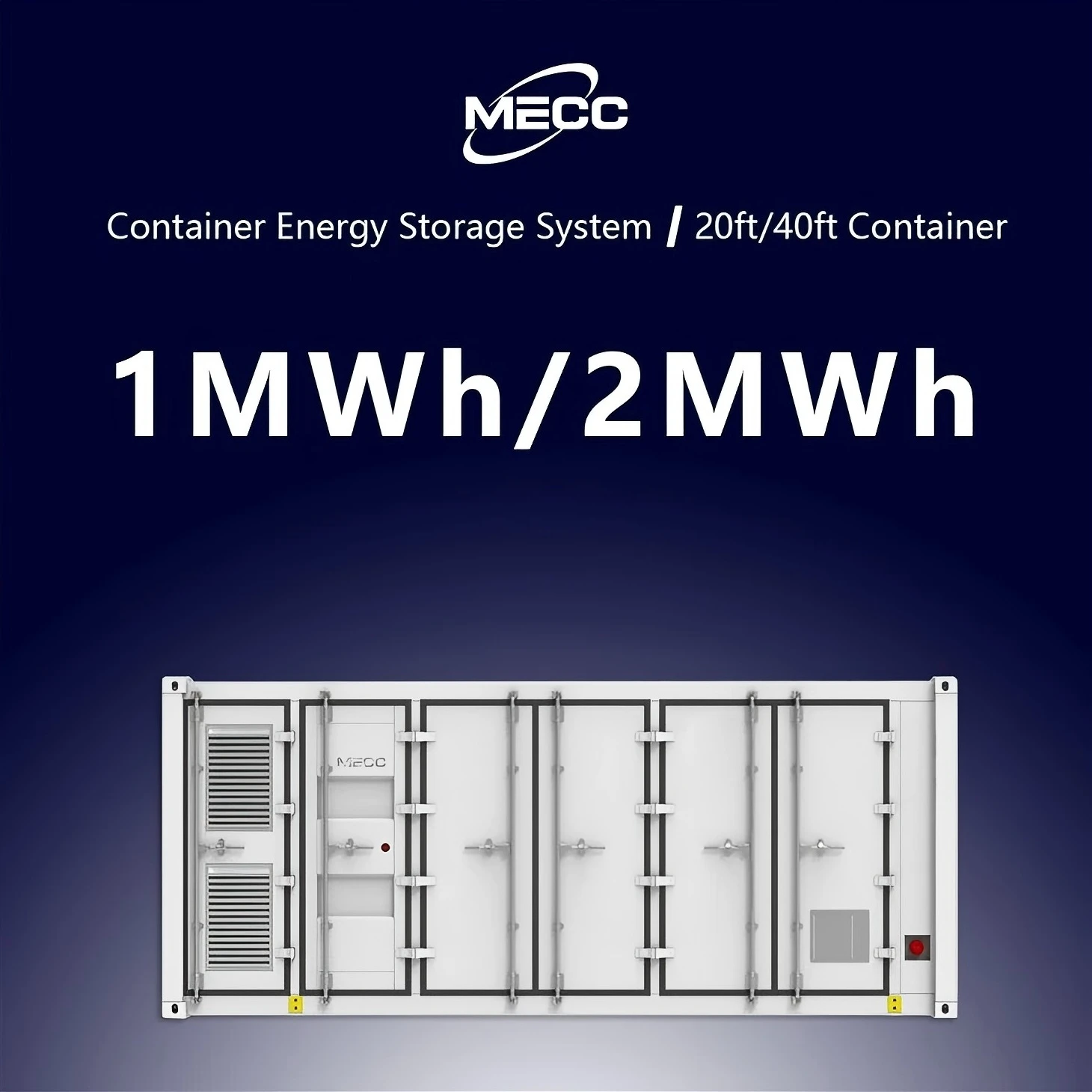
500KW/1MW 1MWh/2MWh Battery Energy Storage System Container
The 500kW/1MW 1MWh/2MWh Battery Energy Storage System Container is a turn‑key utility‑grade energy storage solution housed in standard 20ft or 40ft shipping containers, integrating bidirectional PCS, A‑grade LiFePO4 battery clusters, master BMS, liquid‑cooled thermal management, gas fire suppression, high‑voltage distribution and EMS energy management system with full factory pre‑assembly and pre‑commissioning. Requiring only foundation construction and high‑voltage cable connection for on‑site commissioning, it supports flexible power‑capacity configuration and multi‑container parallel expansion, delivering core capabilities of peak‑shaving and load shifting, renewable energy smoothing, frequency‑voltage grid support, islanded micro‑grid operation and large‑scale emergency backup. Featuring IP54 enclosure protection and comprehensive multi‑layer safety mechanisms, it adapts to diverse harsh outdoor environments, and is widely deployed for ground‑mounted PV power stations, industrial parks, mining operations, island microgrids and grid‑side auxiliary service projects to stabilize grid fluctuations, boost renewable energy utilization and reduce comprehensive energy costs.