




















TOPCON N Type Bifacial Solar Panel:
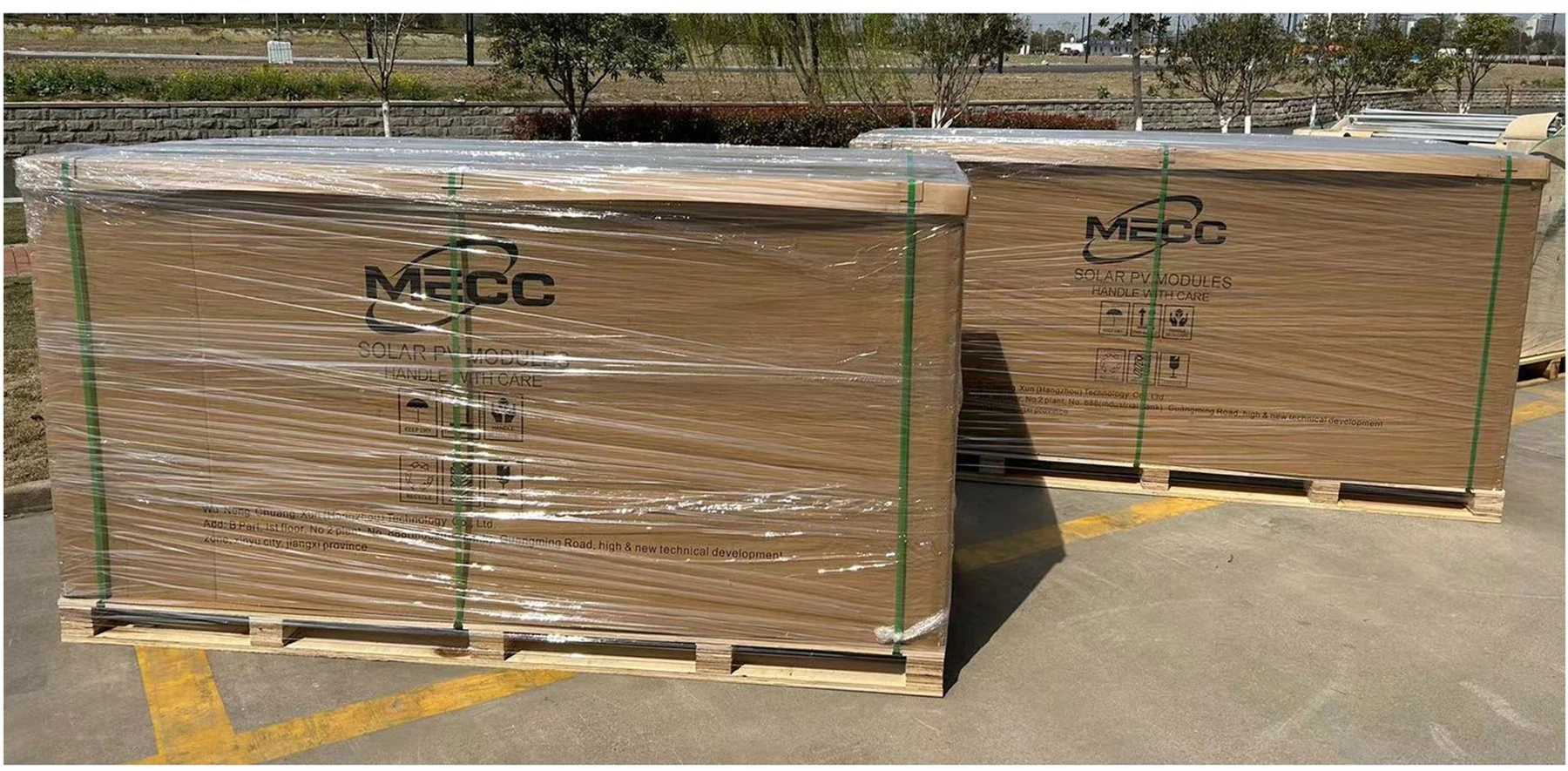
Power : 590 W-710W
Power tolerance : 0 to +5 W
Warranty : 30 years
CE/TUV/ISO/intertek
Inverter power : 3-30 kW
Output : Single phase 220/230V Split Phase 120/240V
IP21 Warranty : 2 years
IP65 Warranty : 5 years
CE/TUV/EN-50549
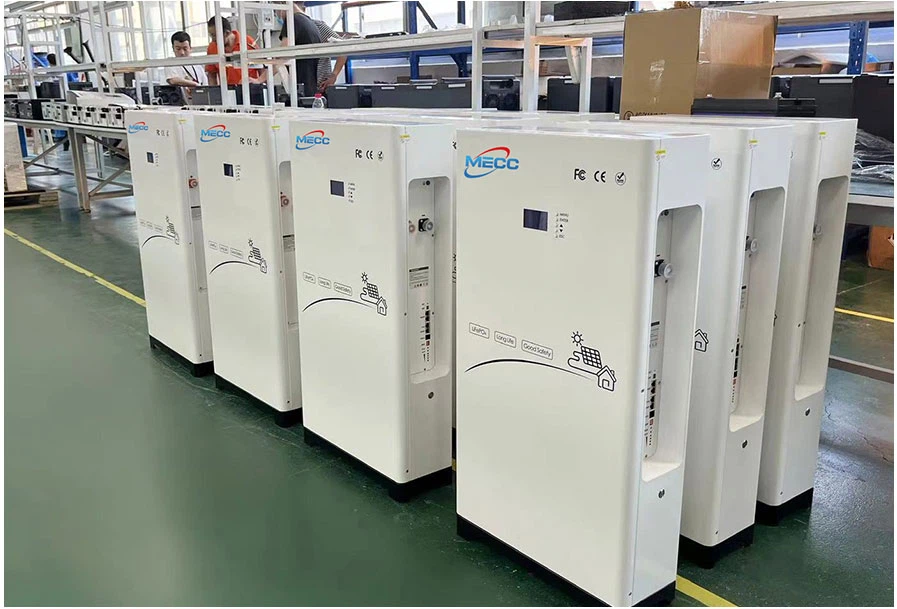
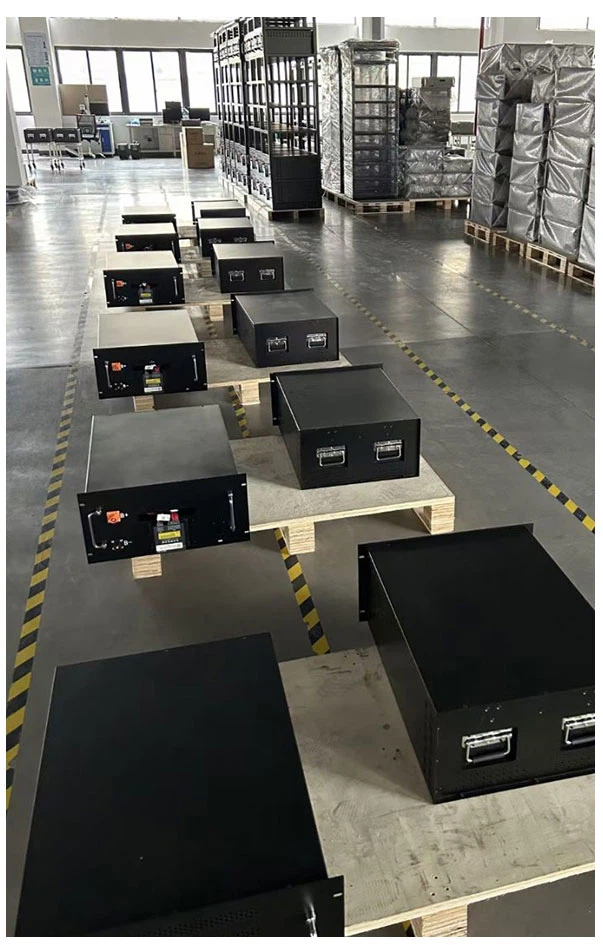
LiFePO4 Battery Power : 5-60 KWH (0.5C)
Battery Voltage : 48/51.2V 100-314AH
Cycle times :6000+
Warranty : 5 years
CE/MSDS/UN38.3
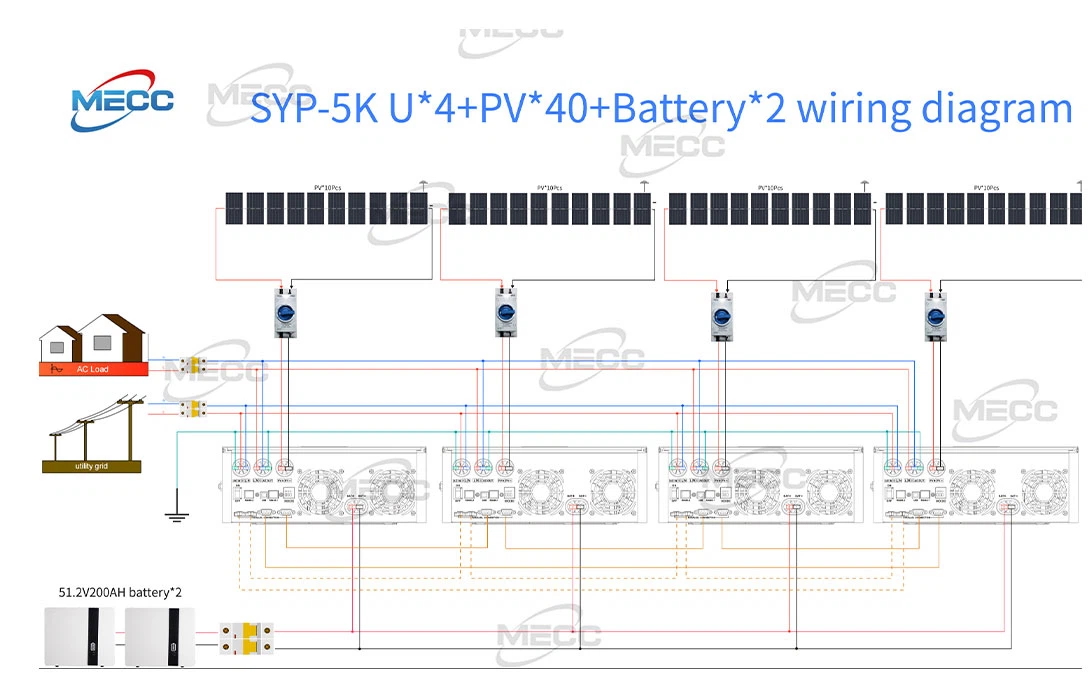
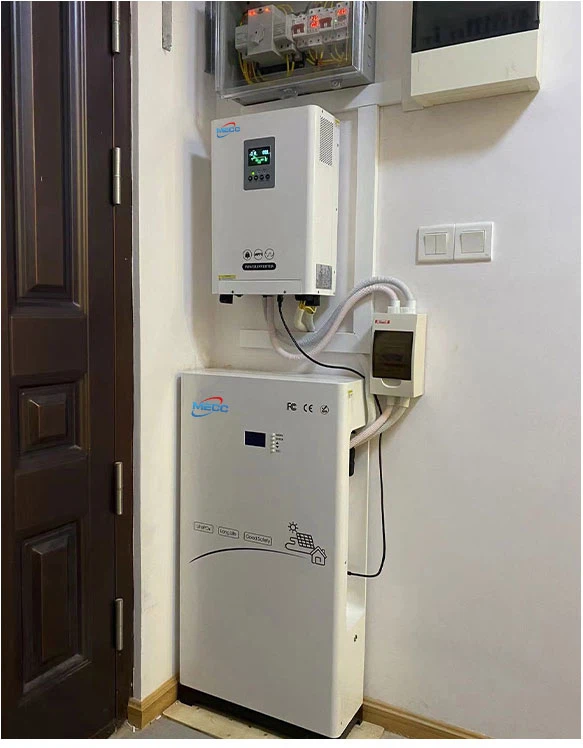
Hybrid Tri-Mode Operation: Solar, Battery, & Grid
At its core, the system uses a hybrid inverter to intelligently manage three power sources, ensuring optimal energy use:
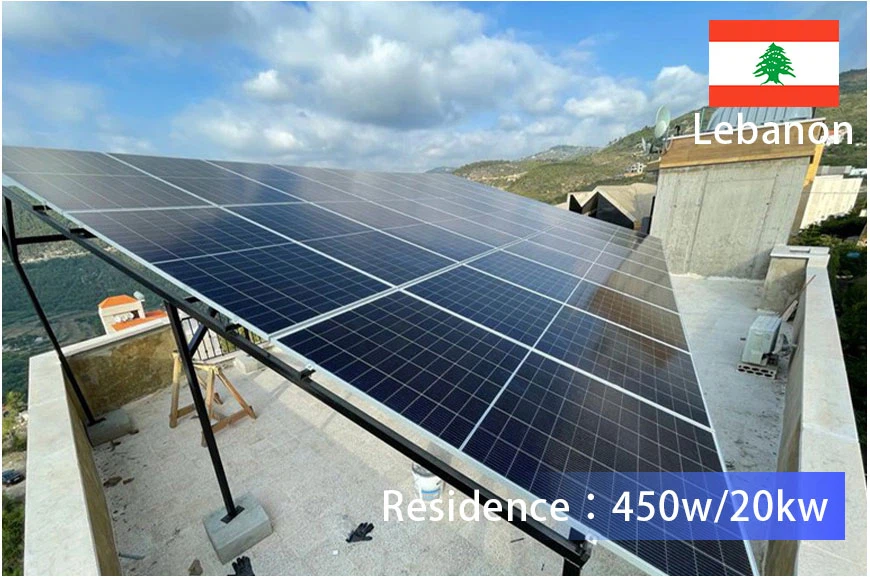
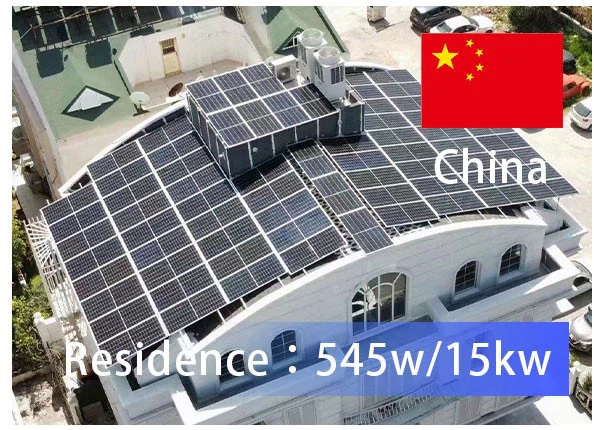
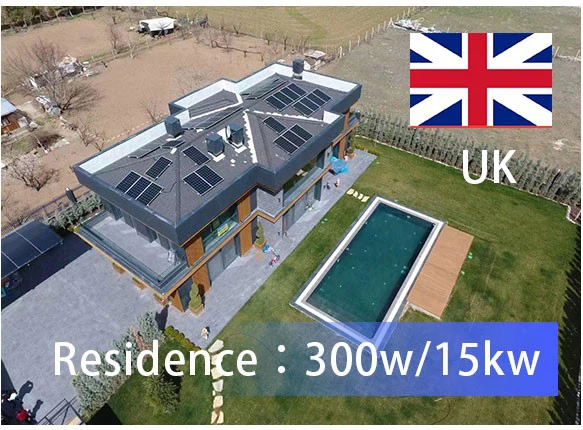
Solar Priority: Directly powers loads with sunlight first, leveraging 10kW of high-efficiency solar panels (typically 18–22 panels, e.g., 590W each) to maximize free renewable energy and minimize grid draw.
Battery Integration: Stores excess solar in LiFePO4 batteries (5kWh–30kWh+) for evening use or low-sunlight periods, reducing reliance on expensive peak-hour grid electricity.
Grid Synergy: Seamlessly switches to grid power when solar and battery are insufficient (e.g., extended cloudy weather) and can export surplus solar back to the grid (via net metering) to earn credits.
This tri-mode flexibility eliminates the limitations of single-mode systems, adapting to daily weather patterns and energy demands.
10kW Solar Capacity & High-Efficiency Panels
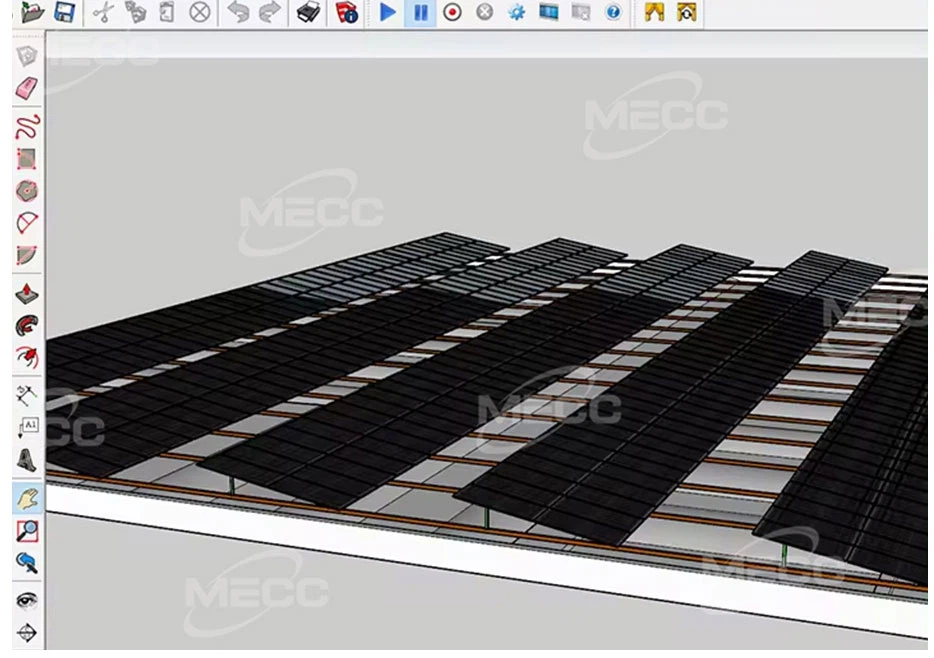
The system's 10kW solar array, paired with premium panels (e.g., 590W monocrystalline), delivers:
Max Energy Harvest: Panels with 23%+ conversion efficiency capture more sunlight per square foot, outperforming standard panels by 15–20% in low light (dawn, dusk, cloudy days). A 10kW array generates ~40–50kWh/day in sunny climates-enough to cover 70–90% of a large home's daily needs.
Space Efficiency: High-wattage panels (e.g., 590W) reduce the number of panels needed, saving 20–25% of roof or ground space compared to lower-watt alternatives (18 panels vs. 25+ for 400W panels).
Durability: Panels feature tempered glass, anti-reflective coatings, and IP68 junction boxes, withstanding hail, high winds (140mph+), and extreme temperatures (-40°C to 85°C) for 25+ years.
Smart Energy Management & Backup Resilience
Equipped with advanced software, the hybrid inverter optimizes energy flow and protects against outages:
Peak Shaving: Automatically uses stored battery power during grid peak hours (e.g., 5–8 PM) to cut utility bills by 30–50%, leveraging the 10kW array's daytime output to stockpile energy.
Rapid Backup Switch: Transitions to battery power in <10ms during grid failures, keeping critical loads (refrigeration, medical devices, Wi-Fi) operational. Users can prioritize circuits to extend runtime (e.g., excluding non-essentials like pool pumps).
Data-Driven Optimization: Connects to mobile apps via Wi-Fi/Bluetooth, providing real-time data on solar production, battery charge, and grid usage. The system learns usage patterns to adjust energy storage and distribution, maximizing savings.
FAQ
How do I calculate the environmental payback period of such a system?
To calculate the environmental payback period, you need to consider the emissions avoided by using the new power instead of traditional energy sources. First, determine the amount of electricity your solar system generates annually. Then, multiply this by the average carbon dioxide (or other pollutant) emissions per kilowatt-hour of the grid electricity it replaces. This gives you the annual emissions reduction. Next, estimate the total emissions associated with manufacturing, installing, and maintaining the solar system over its lifetime. Divide the total emissions of the solar system by the annual emissions reduction to obtain the environmental payback period. A shorter environmental payback period indicates a more environmentally beneficial system, as it quickly offsets the emissions related to its production.
Hot Tags: 10kw solar panels system hybrid, China 10kw solar panels system hybrid manufacturers, suppliers
Send Inquiry


