















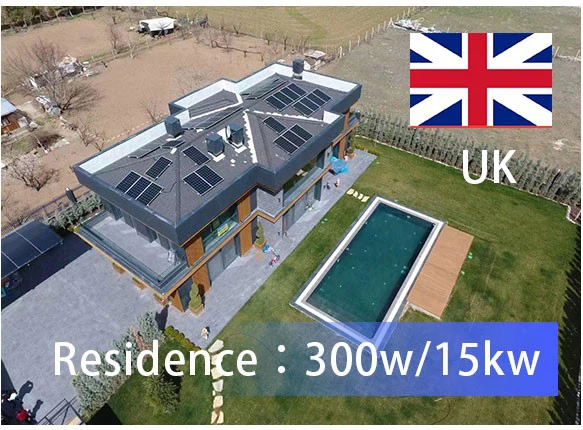


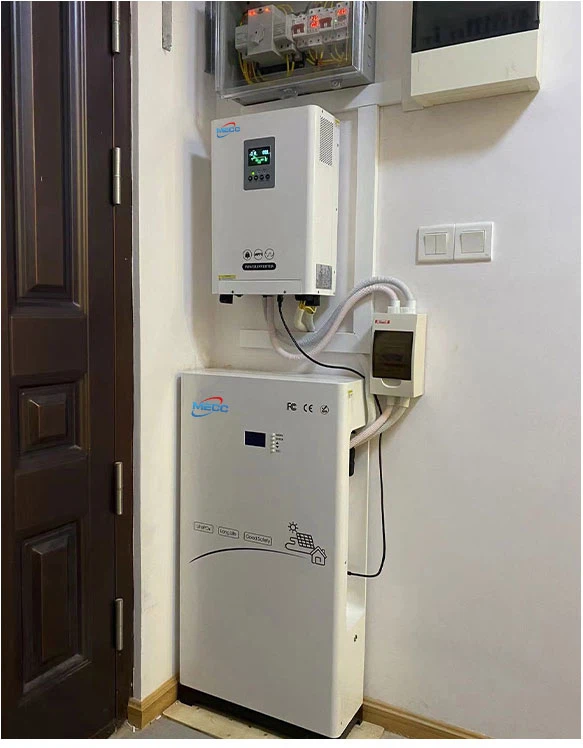
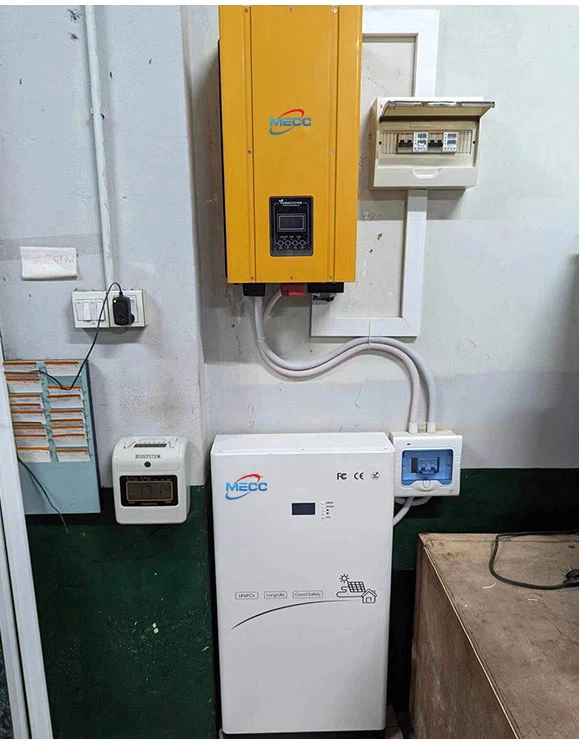
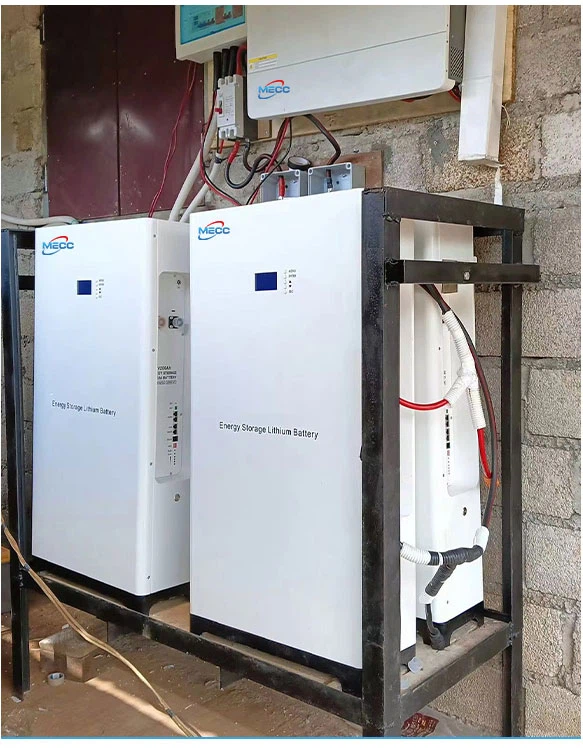

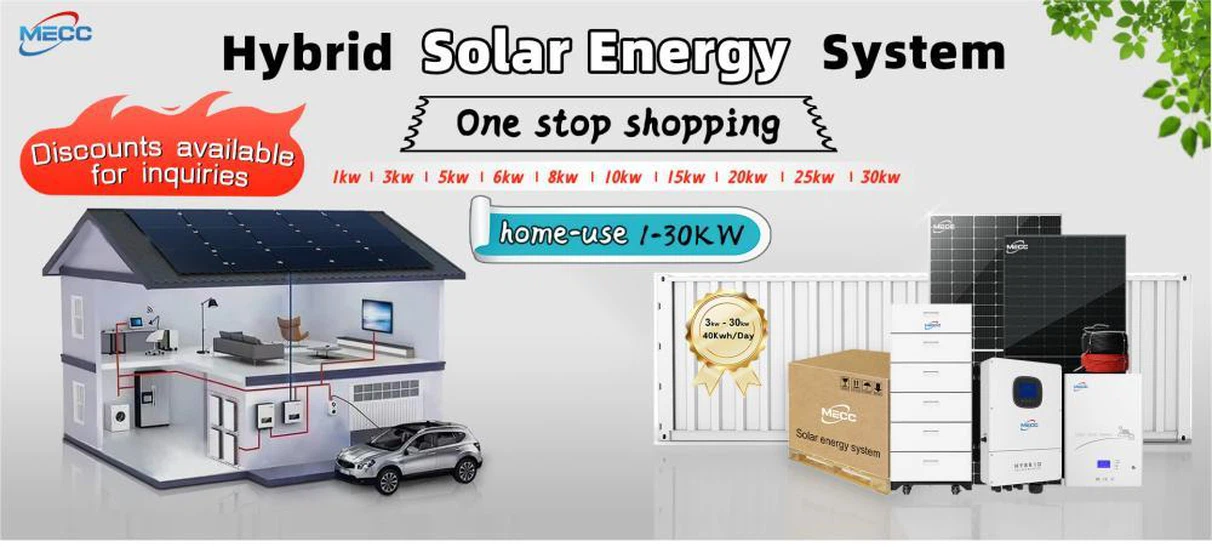
TOPCON N Type Bifacial Solar Panel:
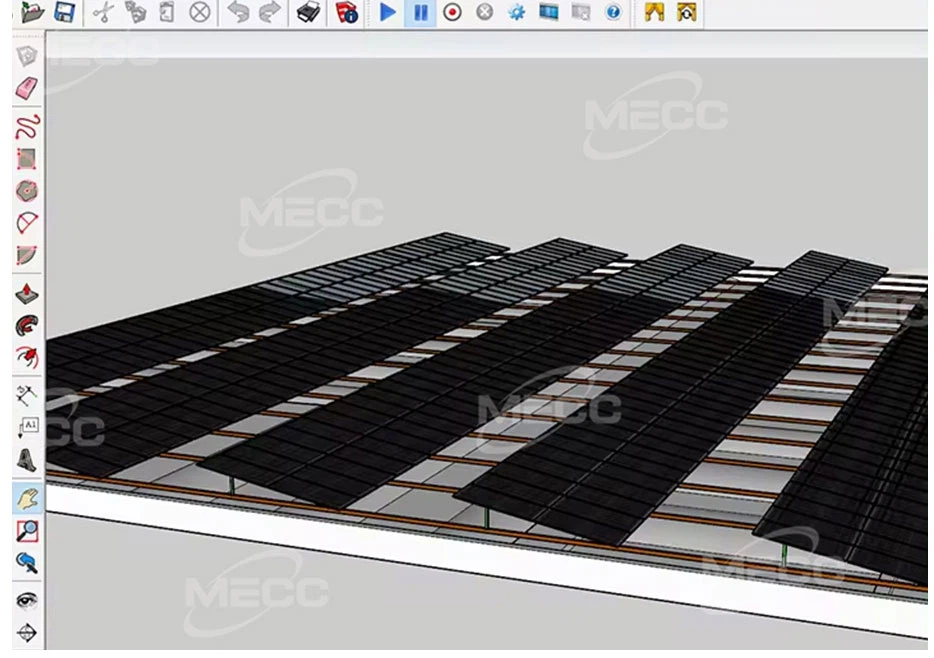
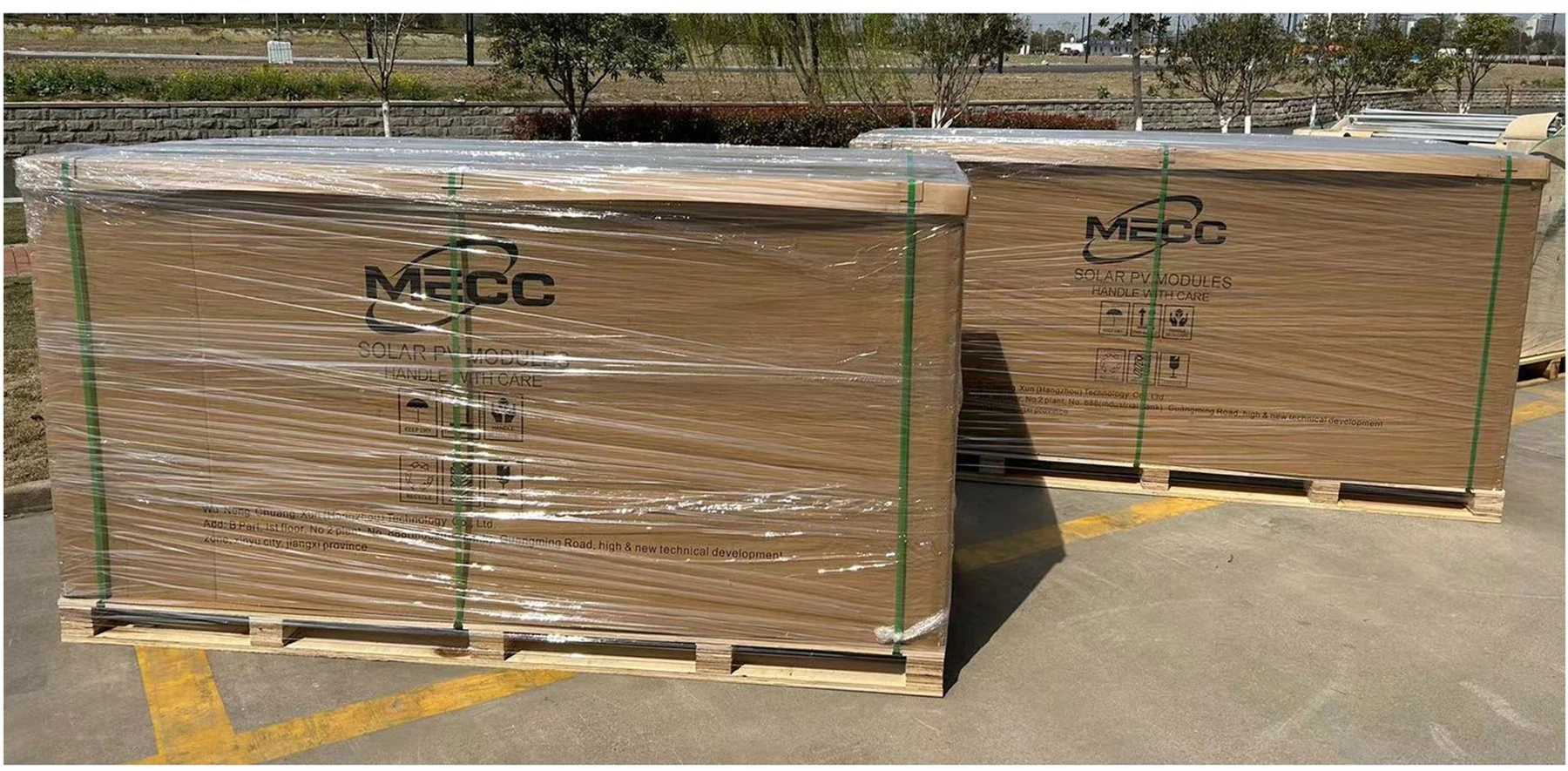
Power : 590 W-710W
Power tolerance : 0 to +5 W
Warranty : 30 years
CE/TUV/ISO/intertek
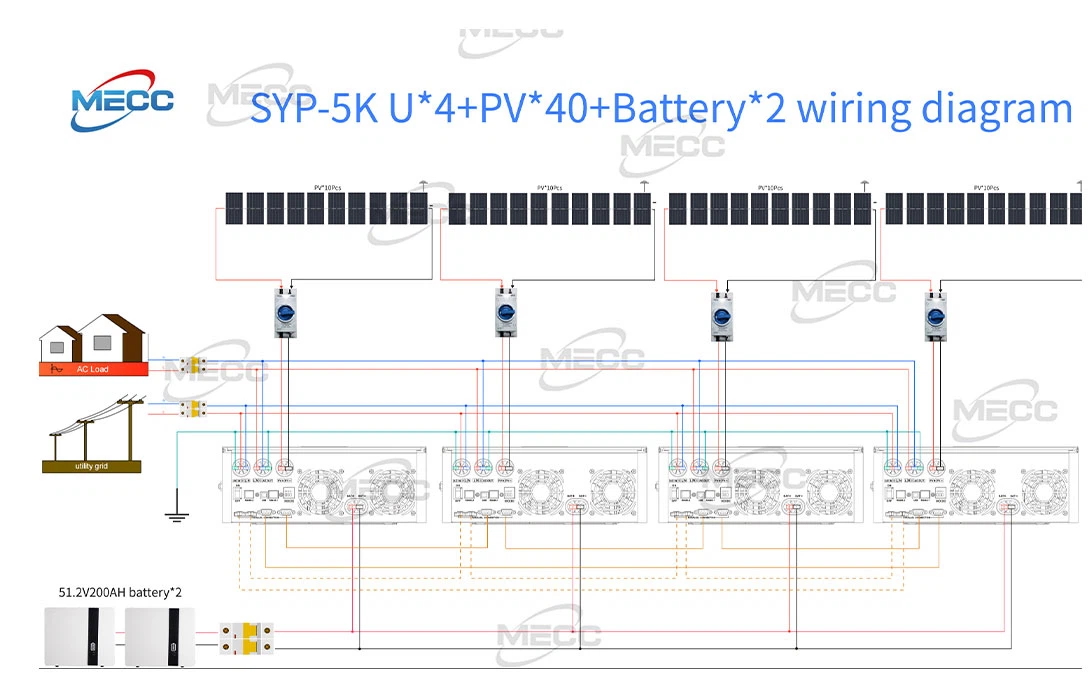
Inverter power : 3-30 kW
Output : Single phase 220/230V Split Phase 120/240V
IP21 Warranty : 2 years
IP65 Warranty : 5 years
CE/TUV/EN-50549
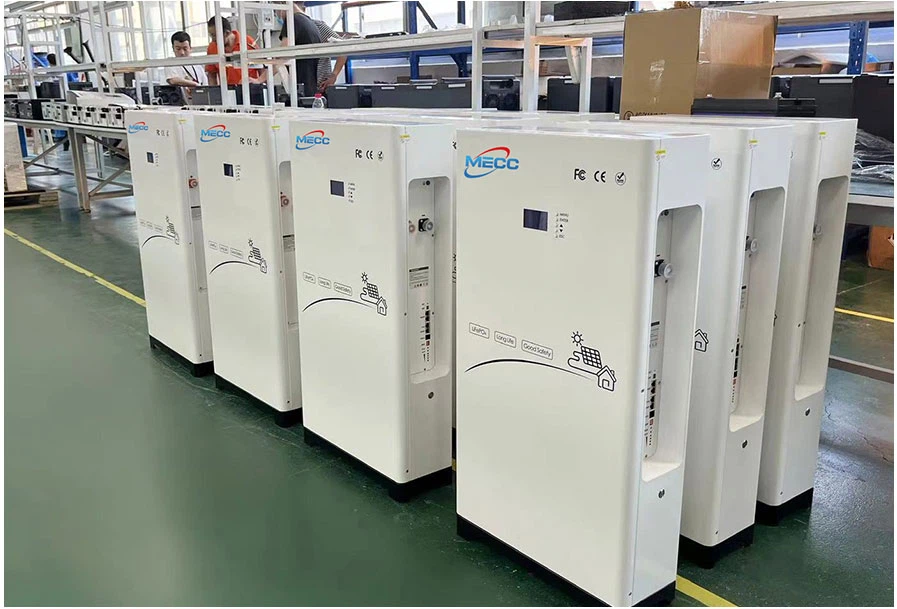
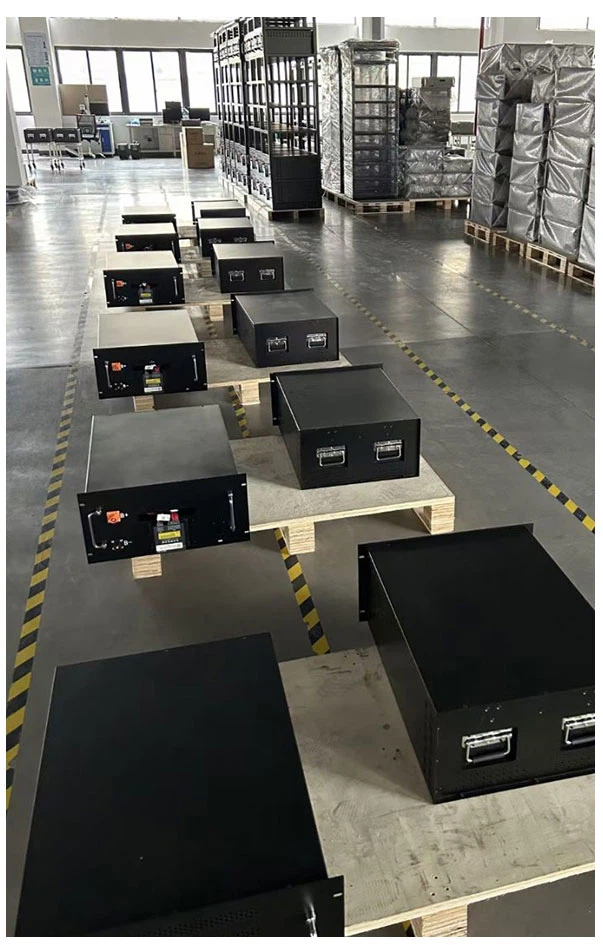
LiFePO4 Battery Power : 5-60 KWH (0.5C)
Battery Voltage : 48/51.2V 100-314AH
Cycle times :6000+
Warranty : 5 years
CE/MSDS/UN38.3
The products in the beverage bottling industry are streamlining production. Bottling plants can use solar power during the day to run filling machines, conveyor belts, and labeling equipment. The backup generators or grid connection ensures that production doesn't halt due to power issues. This combination reduces energy costs, improves production efficiency, and helps the beverage bottling industry become more sustainable, meeting the growing demand for environmentally friendly products.
In the ceramics - glazing industry, these products are enhancing the glazing process to create more beautiful and durable ceramic products. The solar - powered kilns are designed with advanced insulation materials to retain heat efficiently. The solar - driven heating elements can provide a uniform heat distribution, ensuring that the glaze is fired evenly on the ceramic surface. This results in a more consistent and lustrous glaze finish. The glaze - preparation systems, powered by solar energy, can accurately measure and mix the glaze components, ensuring the quality of the glaze. The automated glazing robots, which apply the glaze to the ceramics, are also solar - powered. They can achieve a more precise and even application of the glaze, reducing the amount of glaze waste. The hybrid system, with its backup power, ensures that the ceramics - glazing operations can continue without any interruptions, enabling the production of high - quality glazed ceramics.
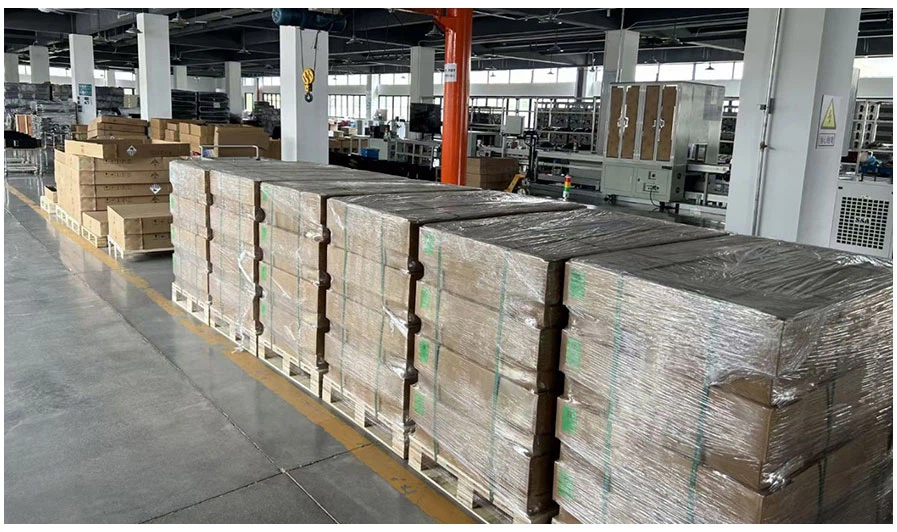
At our solar system factory, safety and quality are the twin pillars of our operations. We have implemented strict safety protocols throughout the production process, from providing employees with top-of-the-line safety gear to conducting regular safety drills. The manufacturing of solar systems is a delicate process, and any error can have serious consequences. That's why our quality control is second to none. We use artificial intelligence and machine learning algorithms to analyze production data and detect potential defects before they occur. Our solar panels are tested for electrical safety, fire resistance, and durability, ensuring they meet and exceed international standards. With a production capacity that can handle large orders with ease and a focus on continuous improvement, we are a force to be reckoned with in the solar market.
FAQ
What are the challenges of using solar energy in areas with a high density of tall buildings?
In urban areas with many tall buildings, shading is a major issue. Neighboring structures can block sunlight from reaching solar panels, significantly reducing power output. To mitigate this, careful site selection and the use of technologies like micro-inverters or power optimizers are crucial. These can help panels operate more efficiently even in shaded conditions. Another challenge is the limited roof and ground space available for installation. High-rise buildings may have complex roof designs or insufficient load-bearing capacity for large solar arrays. In such cases, building-integrated photovoltaics (BIPV) can be a solution, but it requires advanced engineering and coordination with building architects and engineers. Additionally, the permitting process in dense urban areas can be more complicated due to multiple regulatory bodies and building codes.
Hot Tags: 10kw solar battery system hybrid, China 10kw solar battery system hybrid manufacturers, suppliers
Send Inquiry


