Fast Charging Capabilities These batteries support fast charging, enabling quick replenishment of energy. This feature is particularly useful in applications where rapid energy restoration is critical, such as in backup power systems and electric vehicle charging stations.
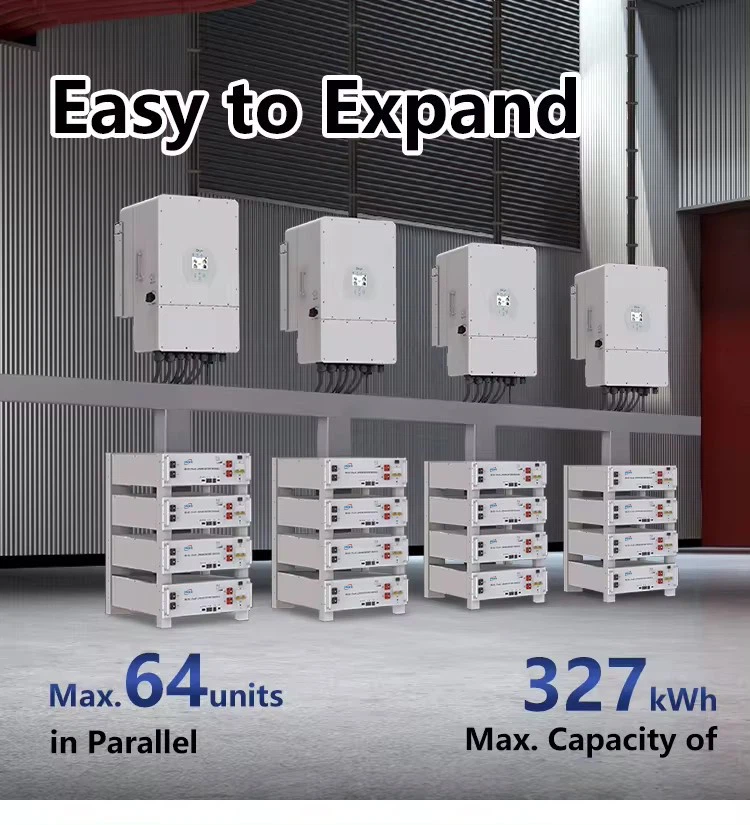
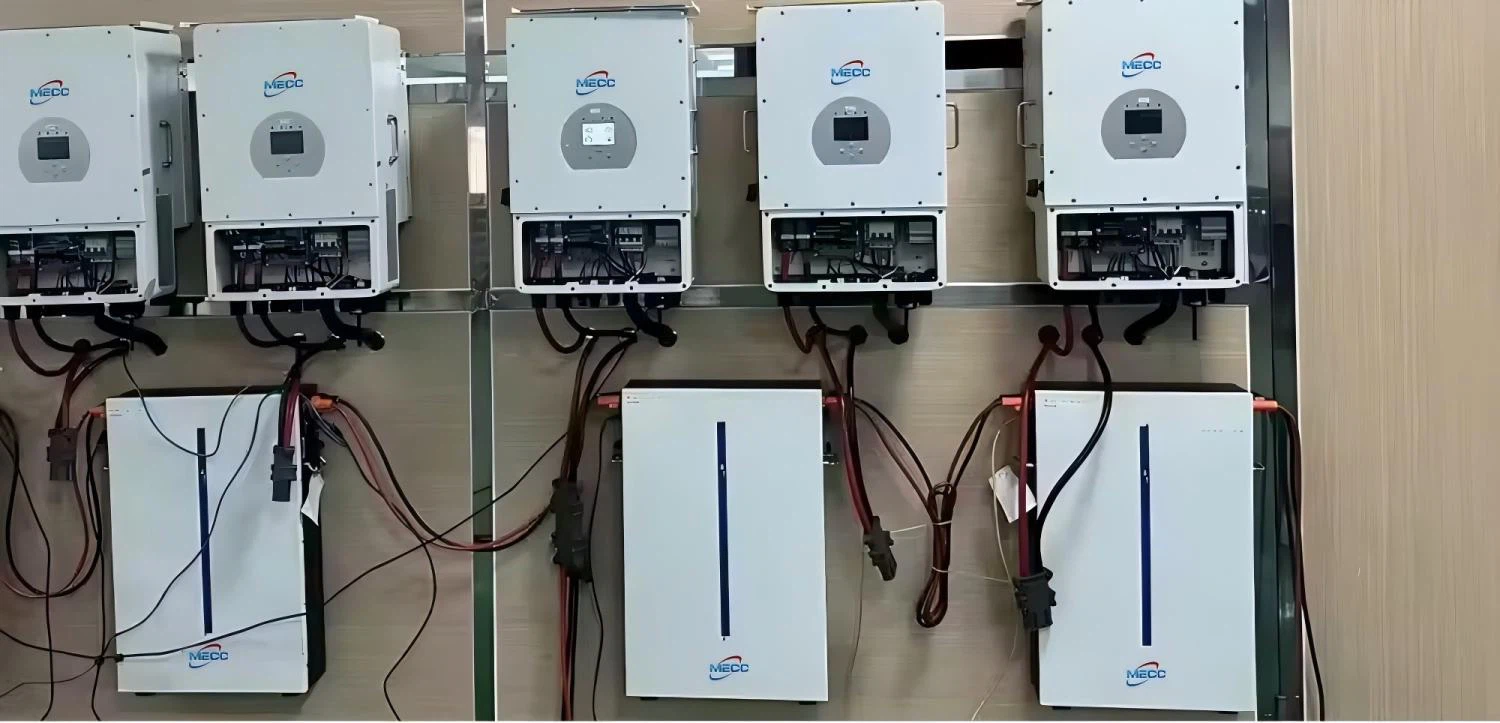
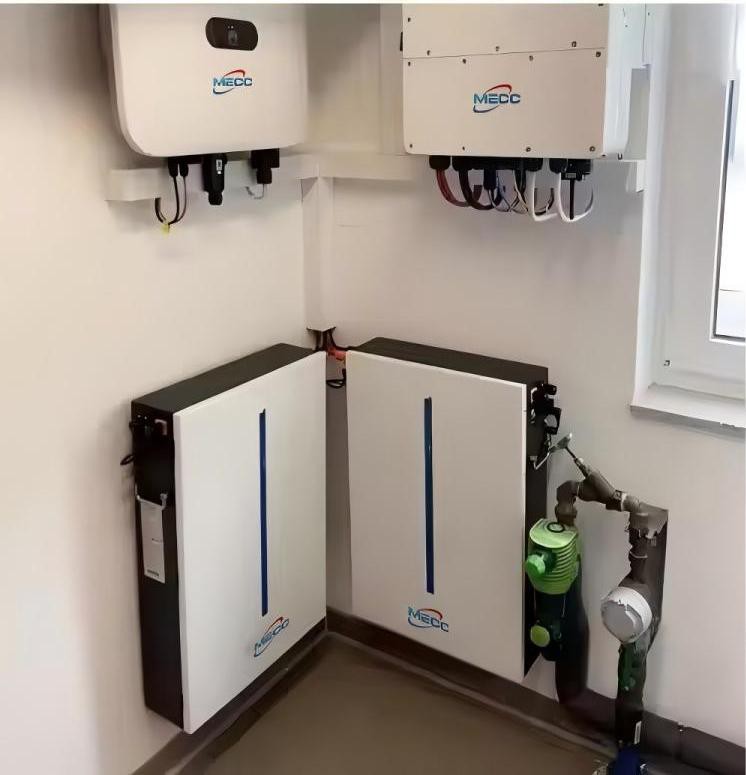
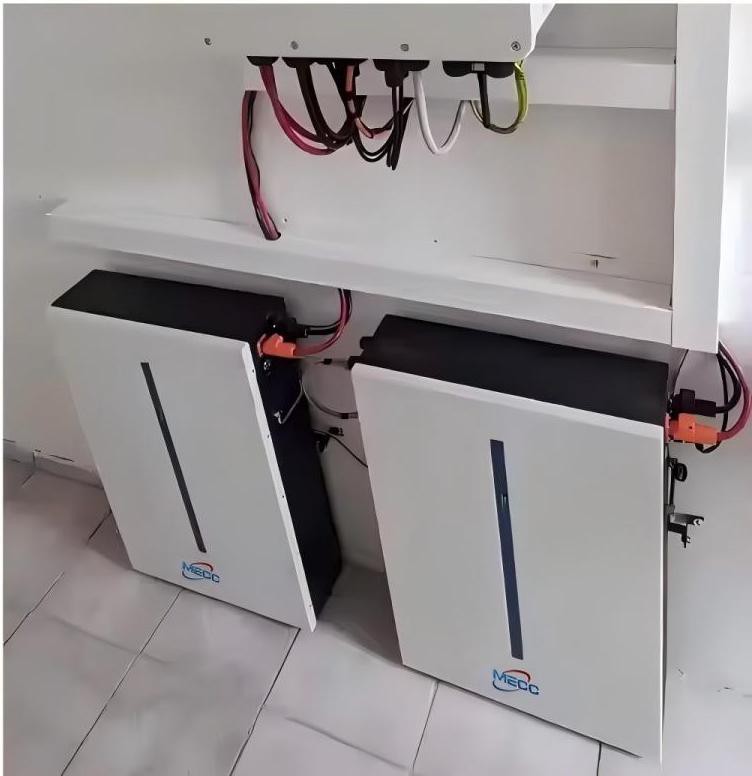
Modular Design and Scalability The modular design of rack-mounted lithium batteries allows for easy installation and scalability. Users can start with a basic setup and expand as needed, making these batteries adaptable to various energy storage requirements and future growth.
Safety and Reliability Rack-mounted lithium batteries are equipped with advanced safety features, including overcharge protection, short-circuit protection, and thermal management systems. These features ensure safe operation and reliable performance, even under demanding conditions.
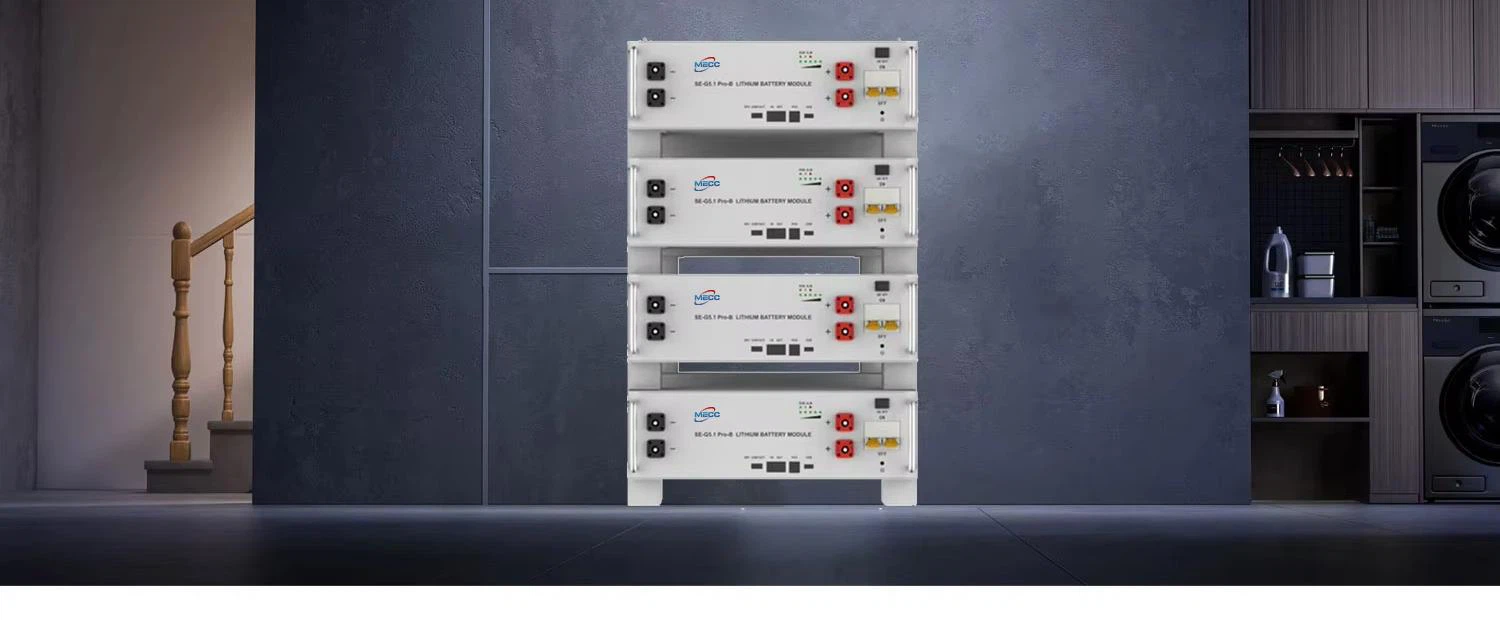
LithiumIron Phosphate (LFP) Battery
Cobalt Free Lithium lron Phosphate (LFP) Battery: Safety and long Lifespan, high efficiency and high power density.
Support high discharge power. IP20, natural cooling, wide temperature range: -20 to 55℃.
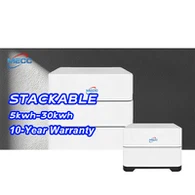
Modular design, easy to expand, Max.64 units in parallel, Max. capacity of 327kwh.
Which is designed for residential and
commercial energy storage applications.
Max. 64 pcs pack (327kWh) in parallel (Max. 32 pcs no external setup)
Storage Temperature
0℃~35℃
Nominal Voltage (V)
51.2
Humidity
5%~95%
Operating Voltage(V)
43.2~57.6
Altitude
≤2000m
Energy (kWh)
5.12
Cycle Life
≥6000(25℃±2℃,0.5C/0.5C,90%DOD,70%EOL)
Usable Energy (kWh)
4.6
Installation
Wall-Mounted, Floor-Mounted, Rack-Mounted (19-inch standard cabinet, cabinet depth ≥600mm )
Charge/Discharge Current (A)
Recommend 50
Communication Port
CAN2.0, RS485
Other Parameter
Warranty Period
10 years
Recommend Depth of Discharge
90%
Energy Throughput
16MWh@70%EOL
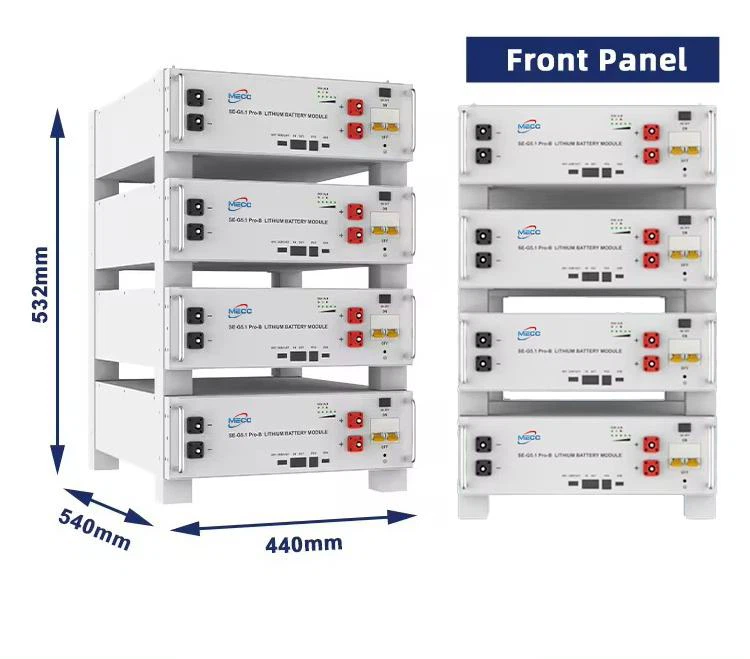
Dimension (W/H/D, mm)
440*133*540
Certification
UN38.3, IEC62619, CE,UK, VDE2510-50, CEI 0-21, FCC, UL1973, UL9540A
FAQ
Can lithium rack batteries be used in extreme temperatures?
Lithium rack batteries generally have a recommended operating temperature range. While they can tolerate a certain degree of temperature variation, extreme cold can reduce their capacity and performance, as the chemical reactions within the battery slow down. Extreme heat, on the other hand, can accelerate battery degradation. Specialized thermal management systems may be required to ensure optimal performance in extreme temperature environments.
How do I properly charge a lithium rack battery?
It is essential to use a charger specifically designed for lithium based batteries. The charging process should follow the manufacturer's guidelines, which usually involve a constant current phase followed by a constant voltage phase. Over charging should be avoided at all costs, as it can damage the battery and pose safety risks. A battery management system (BMS) can help regulate the charging process and prevent over charging.
What safety features are built into lithium rack batteries?
Most lithium rack batteries come with a battery management system (BMS) that monitors parameters such as voltage, current, and temperature. The BMS can cut off charging or discharging if any abnormal conditions are detected, preventing over charging, over discharging, and over heating. Additionally, they are often constructed with flame retardant materials to reduce the risk of fire in case of a malfunction.