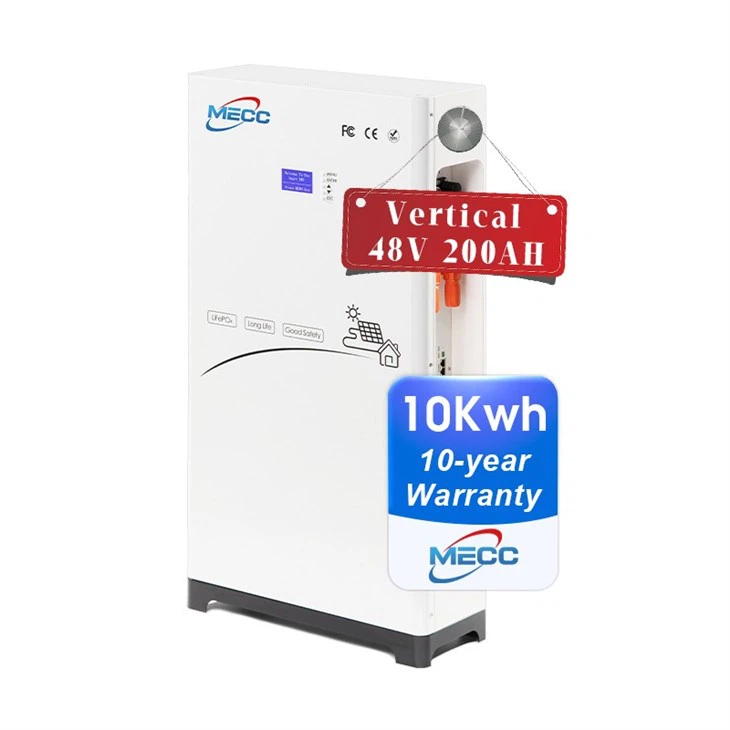
|
Model |
L48200 |
|
|
Specification |
48V200Ah |
|
|
Combination |
15S1P |
|
|
Capacity |
9.6KWh |
|
|
Standard discharge current |
50A |
|
|
Max. discharge current |
100A |
|
|
Working voltage range |
40.5-54VDC |
|
|
Standard Voltage |
48VDC |
|
|
Max. charging current |
50A |
|
|
Max. charging voltage |
54V |
|
|
Cycle |
3000~6000cycles @DOD 80%/25℃/0 . 5C |
|
|
Working humidity |
65±20%RH |
|
|
Operating temperature |
-10~+50℃ |
|
|
Working altitude |
≤2500m |
|
|
Cooling method |
Natural cooling |
|
|
Installation |
Stack installation
|
|
|
Protection level |
IP20 |
|
|
Max of parallel |
15PCS |
|
|
Warranty |
5~ 10 Years |
|
|
Communication |
Default: RS485/RS232/CAN Optional :WiFi/4G/Bluetooth |
|
|
Certified |
CE ROHS FCC UN38 .3 MSDS |
|
| Product Size |
489*925*170mm
|
|
| Package Size |
525*910* 375mm
|
|
| Net weight | 102kg | |
| Gross weight | 112kg | |


-
Safer
-
Reliable
-
Flexible
-
Convenient


Power wall 48V 100AH


Stacked 48V 100AH


Vertical 48V 200AH


Advantages
High Energy Density
Lithium ion batteries have a relatively high energy density. A 48V 200AH lithium battery can store a significant amount of energy in a relatively compact size. This means it can provide more power output for longer lasting performance compared to some other battery types. For example, it can power an electric vehicle for a longer distance on a single charge.
Long Cycle Life
These batteries generally have a long cycle life. They can be charged and discharged many times before their capacity significantly degrades. A well maintained 48V 200AH lithium battery can usually endure hundreds or even thousands of charge discharge cycles. This makes them a cost effective choice in the long run as you don't need to replace them frequently.
Low Self Discharge Rate
Lithium ion batteries have a low self discharge rate. The 48V 200AH lithium battery can hold its charge for a long time when not in use. For instance, if you store it for a few weeks or months, it will still retain a large portion of its original charge, which is very convenient for applications where the battery may not be used regularly.


