


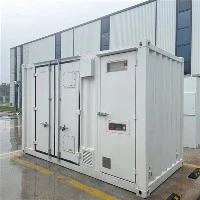
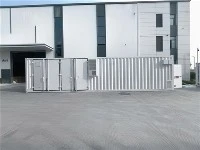
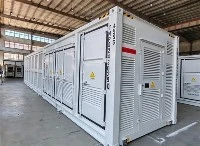
A solar off-grid system, also known as a standalone solar system, operates independently from the conventional electrical grid. It is designed to generate, store, and manage its own electricity using solar panels, batteries, and sometimes backup generators. The principle behind a solar off-grid system involves the conversion of sunlight into electricity, its storage in batteries, and its distribution for powering various electrical loads.
Here's how a solar off-grid system works:
Solar Panel Array: Solar panels (photovoltaic modules) are installed to capture sunlight and convert it into direct current (DC) electricity through the photovoltaic effect. These panels are typically mounted on rooftops or open areas with ample sunlight exposure.
Charge Controller: The DC electricity generated by the solar panels is fed into a charge controller. The charge controller regulates the flow of electricity from the panels to the batteries. It prevents overcharging of the batteries and ensures optimal charging efficiency.
Battery Bank: The electricity generated by the solar panels is stored in a battery bank. Batteries store excess energy produced during sunny periods so that it can be used when sunlight is not available, such as during nighttime or cloudy days. Common battery types include lead-acid batteries and lithium-ion batteries.
Inverter: Since most household appliances and devices run on alternating current (AC), an inverter is used to convert the stored DC electricity from the battery bank into AC electricity that can be used to power appliances and equipment.
Load Distribution: The AC electricity produced by the inverter is then distributed to power various electrical loads in the off-grid system, including lights, appliances, electronics, and other devices. The loads are connected to the inverter's AC output.
Backup Generator (Optional): In some off-grid systems, a backup generator may be integrated to provide power during extended periods of low sunlight or high energy demand. The generator can charge the batteries or directly power the loads if needed.
The core principle of a solar off-grid system is to achieve a balance between electricity generation, consumption, and storage. The system relies on careful planning and sizing of components to ensure that energy production meets the demand and that surplus energy is stored for later use. Monitoring and managing battery levels are crucial to prevent over-discharge and maintain their longevity.
Overall, a solar off-grid system offers independence from the traditional electrical grid and provides a sustainable and reliable source of electricity for remote locations, cabins, boats, and areas with unreliable grid access.