


Ask any storage engineer the hardest question in the industry and you'll get one answer: how do you stop thermal runaway before it starts? Suppression systems are essential, but they act after a fault. Real safety comes from engineering the risk out at every layer - cell, module, system, and site - so that a failure stays small. For commercial energy storage, prevention isn't a feature you add; it's a property of the design. Here's how it's done.
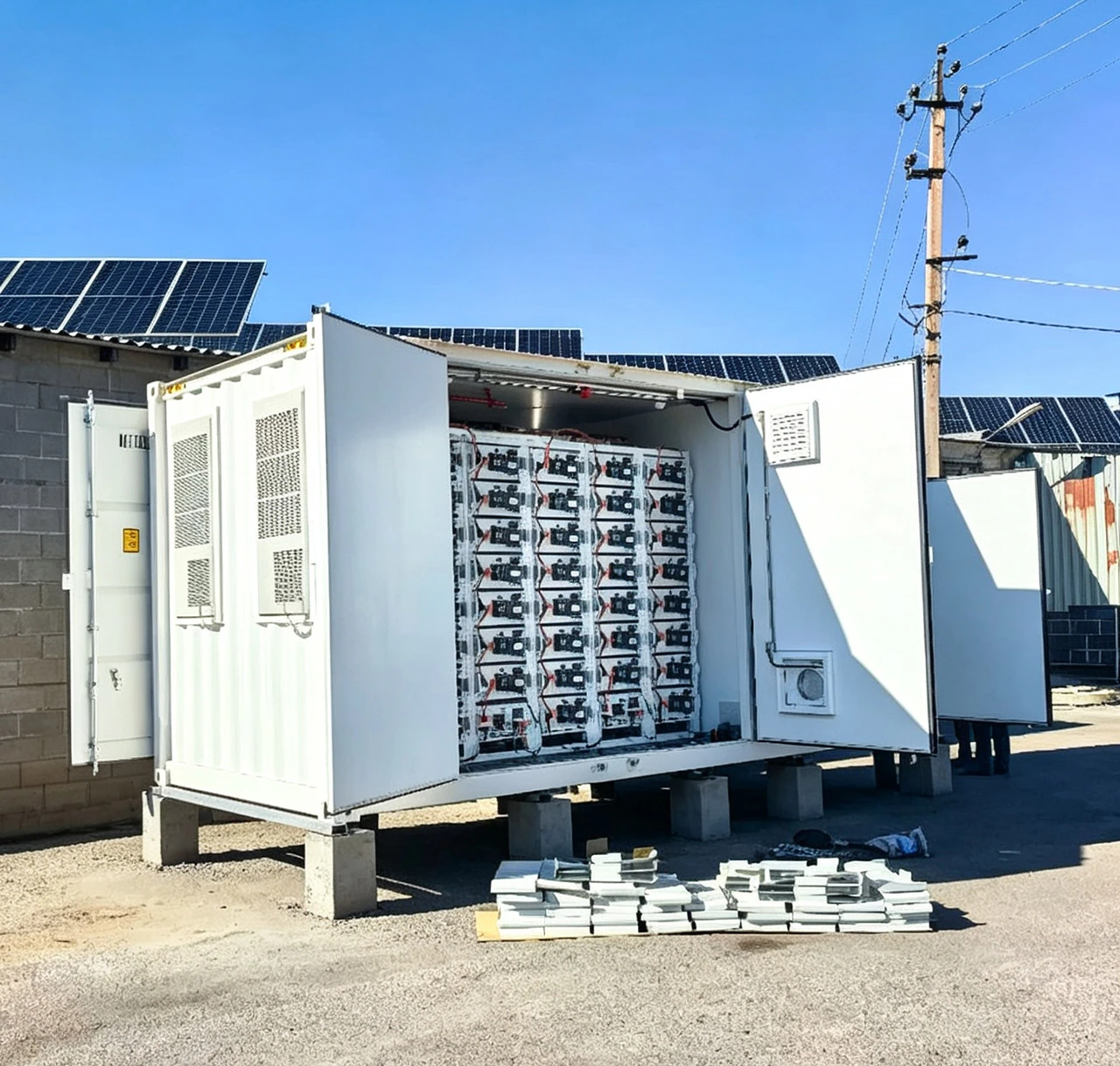
What triggers thermal runaway
Thermal runaway is a self-sustaining reaction inside a lithium cell. Common triggers include internal short circuits, overcharge, over-temperature, external abuse (crush, impact), and manufacturing defects. The chain is predictable: a cell overheats, vents flammable off-gas, and the heat spreads to neighbors, causing propagation through the module and beyond. Prevention means interrupting that chain at the earliest possible link.
Defense in depth
No single device prevents runaway. Engineers rely on layers:
Cell level: chemistry and quality.
Module/pack level: monitoring and isolation.
System level: controls and operating limits.
Enclosure level: thermal design and containment.
Site level: spacing, detection, and emergency planning.
Each layer buys time and reduces severity. Remove one, and the others carry more burden.
Cell level: chemistry and quality
Chemistry sets the baseline. LFP (lithium iron phosphate) is inherently more thermally stable and less prone to propagation than NMC, which is why most stationary C&I battery storage now standardizes on LFP. But chemistry alone isn't enough - cell consistency matters enormously. Cells with mismatched capacity or internal resistance create imbalance that stresses the pack, so traceable, tightly binned cells from reputable suppliers are a first line of defense. Operating within a conservative state of charge (SOC) window further reduces stress.
Module and pack level: monitoring and isolation
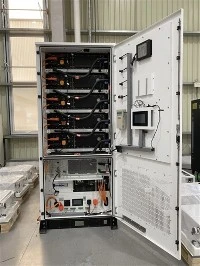
This is where the BMS (battery management system) earns its keep. Modern BMS units monitor voltage and temperature at the cell level, balance cells to prevent divergence, and isolate faults before they escalate. Fast, granular sensing - not just module-average readings - is what catches an incipient fault early enough to matter. Fault isolation limits the blast radius to a single cell or module.
Thermal management
Heat is the accelerant. Uniform, controlled temperature dramatically reduces runaway risk:
Liquid-cooled battery storage holds cells within a tight band and avoids the hot spots that plague uneven cooling.
Air-cooled designs suit milder climates and duty cycles but offer less precision.
Derating output when temperatures rise prevents operating cells at the edge of their limits.
Thermal engineering isn't about extremes - it's about keeping every cell in the safe middle.
System level: controls and operating limits
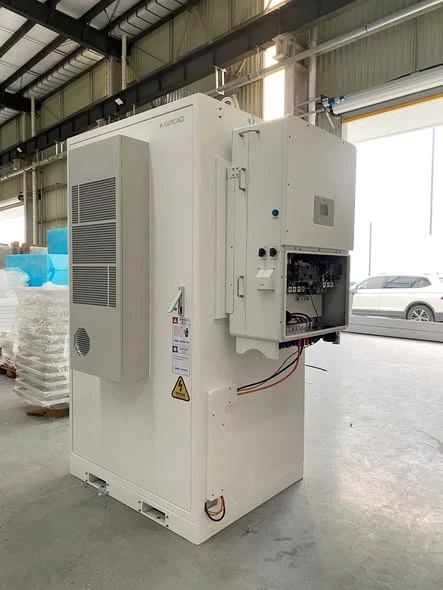
The EMS (energy management system) and PCS (power conversion system) enforce the operating envelope. This means managing C-rate and depth of discharge, preventing overcharge - a core requirement of IEC 62619 - and coordinating with the BMS to halt operation on any anomaly. Intelligent dispatch also avoids unnecessary cycling, extending cycle life and reducing cumulative stress. Aggressive peak shaving or TOU arbitrage strategies must respect these limits, not override them.
Enclosure and container design
Physical design contains what electrical controls can't. Key measures:
Compartmentalization and propagation barriers between modules.
Ventilation to prevent flammable gas accumulation.
Deflagration venting guided by standards such as NFPA 68 and NFPA 69, so that if off-gases ignite, energy vents safely.
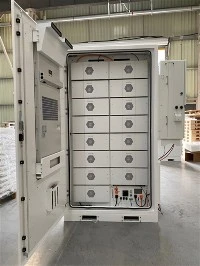
Modular construction using standardized 215 kWh battery storage modules or all-in-one energy storage cabinets with protection designed in.
Detection and early warning
Early gas detection - sensing off-gases and hydrogen before visible smoke - is often the earliest actionable signal. Integrating detection with the EMS allows automatic shutdown, isolation, and suppression activation while the fault is still small. Detection without integration is just an alarm; detection with integration is a control action.
Design and installation
Prevention is validated through the certification and installation stack: UL 9540 (system), UL 9540A (large-scale fire testing that reveals propagation behavior), NFPA 855 (installation and spacing), and IEC 62619 (international cell and system safety). A proper site assessment confirms spacing, ventilation, and access so the design performs as tested.
Operations: keeping prevention alive
Engineering out risk is not a one-time act. Ongoing battery storage maintenance - firmware updates, sensor checks, thermal inspections, and monitoring - preserves the safeguards over the asset's life. Skip maintenance, and the layered defense quietly degrades.
Impact on cost and economics
Prevention engineering adds cost, but it protects the entire investment and is required for insurability. When modeling commercial energy storage cost per kWh, LCOS (levelized cost of storage), battery storage ROI, and commercial battery storage payback, treat prevention as foundational. The value from peak shaving, demand response, or microgrid resilience only exists if the system is safe, permitted, and insurable.
Choosing the right partner
Ask a prospective commercial energy storage manufacturer or commercial energy storage supplier how they engineer prevention: cell traceability, BMS granularity, cooling design, deflagration venting, and UL 9540A results. A vendor who can't explain their prevention layers is likely relying on suppression alone - and suppression is the last resort, not the strategy.
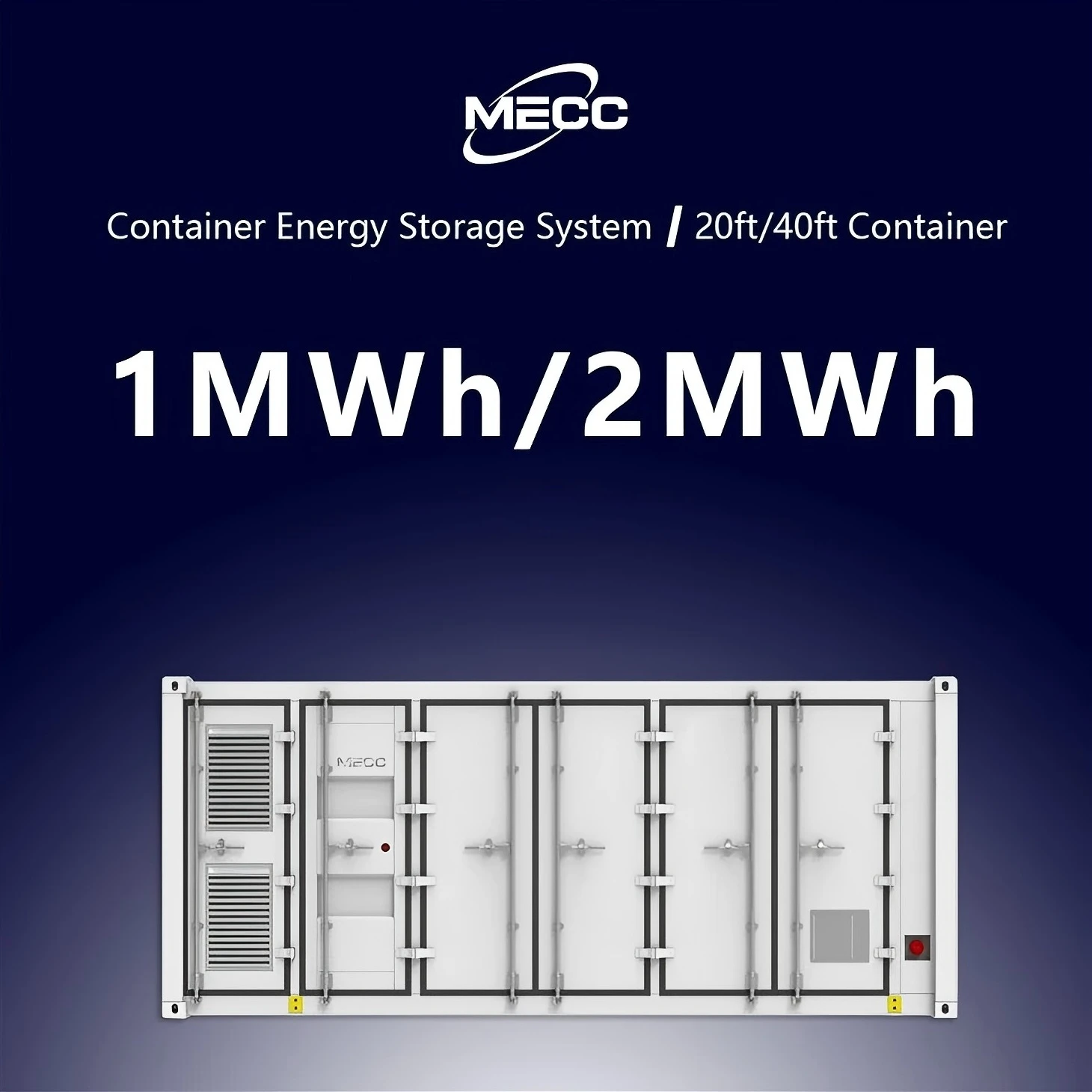
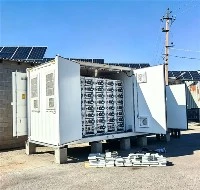
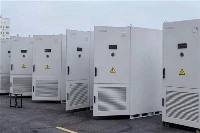
500KW/1MW 1MWh/2MWh Battery Energy Storage System Container
The 500kW/1MW 1MWh/2MWh Battery Energy Storage System Container is a turn‑key utility‑grade energy storage solution housed in standard 20ft or 40ft shipping containers, integrating bidirectional PCS, A‑grade LiFePO4 battery clusters, master BMS, liquid‑cooled thermal management, gas fire suppression, high‑voltage distribution and EMS energy management system with full factory pre‑assembly and pre‑commissioning. Requiring only foundation construction and high‑voltage cable connection for on‑site commissioning, it supports flexible power‑capacity configuration and multi‑container parallel expansion, delivering core capabilities of peak‑shaving and load shifting, renewable energy smoothing, frequency‑voltage grid support, islanded micro‑grid operation and large‑scale emergency backup. Featuring IP54 enclosure protection and comprehensive multi‑layer safety mechanisms, it adapts to diverse harsh outdoor environments, and is widely deployed for ground‑mounted PV power stations, industrial parks, mining operations, island microgrids and grid‑side auxiliary service projects to stabilize grid fluctuations, boost renewable energy utilization and reduce comprehensive energy costs.