


Design gets all the attention, but commercial energy storage installation is where a project succeeds or stalls. A well-run install follows a defined sequence - permitting, site prep, electrical work, commissioning, and grid approval - and each phase has dependencies that, if mishandled, push schedules and budgets. For buyers, understanding the process turns a black box into a manageable project. Here's what to expect, phase by phase.
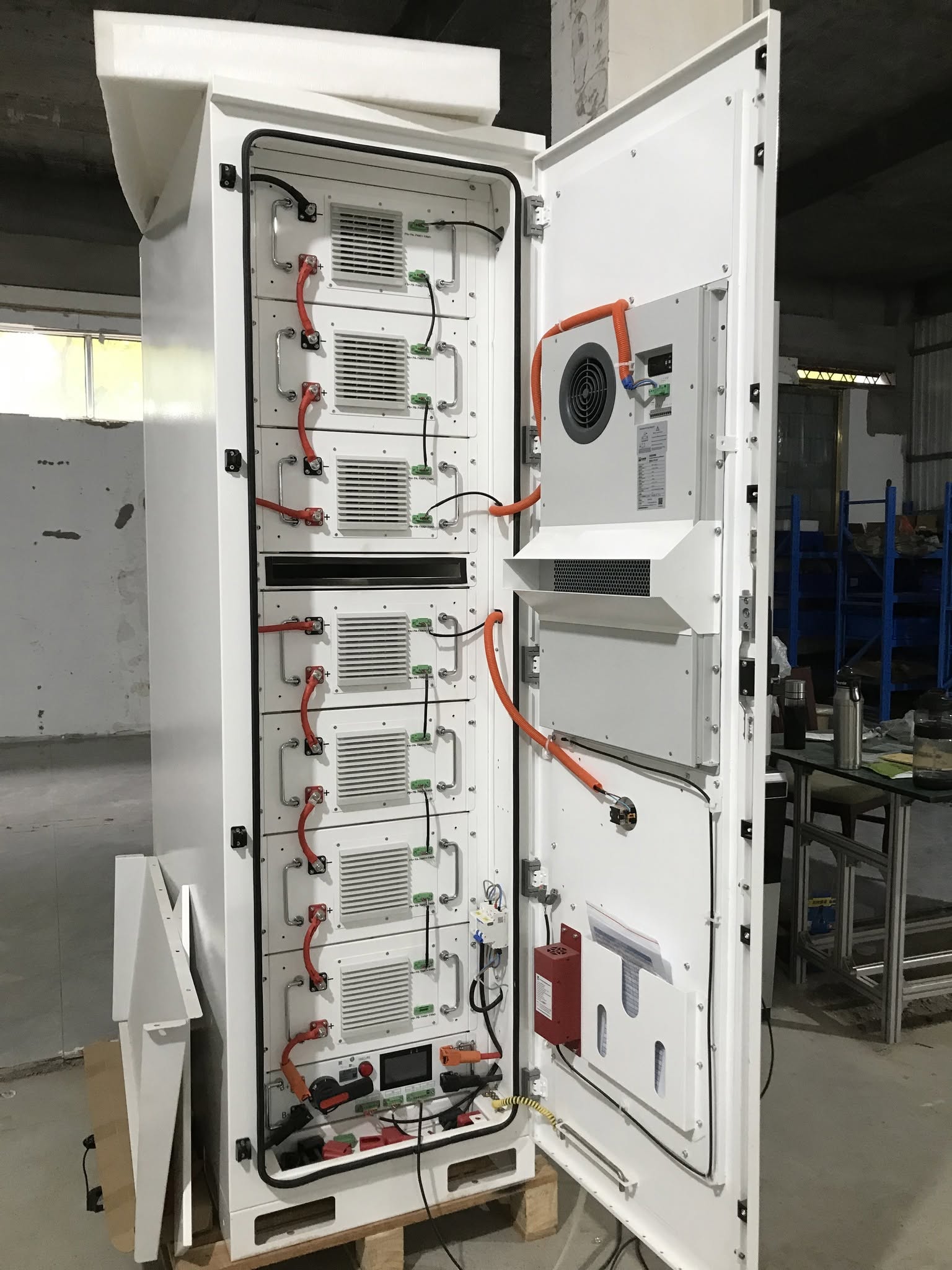
Phase 0: Planning and design handoff
Installation actually begins before anyone arrives on site. The design package - including the single-line diagram, layouts, and equipment schedules - must be finalized, and the site assessment findings (electrical capacity, spacing, access) folded in. This is when the schedule is built and long-lead items identified. Skipping this step is how projects discover missing switchgear mid-install.
Phase 1: Permitting and utility interconnection
Paperwork runs in parallel with preparation. This includes:
Local permits and AHJ (authority having jurisdiction) review.
Fire marshal approval under NFPA 855.
Utility interconnection application, including anti-islanding requirements per rules such as IEEE 1547.
Utility queues can be the longest single delay in a project. Start early.
Phase 2: Site preparation
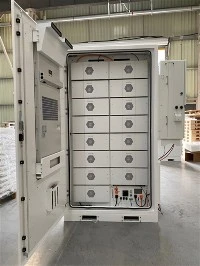
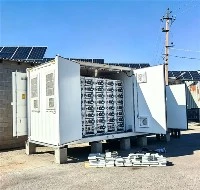
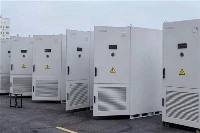
Civil and structural work comes next: concrete pads or foundations, conduit runs, cable trenching, and access routes for delivery. The footprint and weight of a 215 kWh battery storage module or all-in-one energy storage cabinet determine pad design, and clearance requirements under NFPA 855 govern placement. Good prep prevents rework later.
Phase 3: Equipment delivery and staging
Storage equipment is heavy and temperature-sensitive. Delivery requires crane or forklift access, and batteries should be staged within their allowed storage conditions. Inspect on arrival for shipping damage - a step that protects warranty claims. Modular energy storage ships in sections, so staging sequence matters to installation flow.
Phase 4: Mechanical and electrical installation
This is the core build:
Mounting enclosures, pads, and racks.
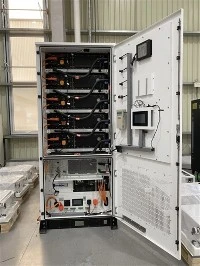
DC and AC wiring, including PCS (power conversion system) connections.
BMS (battery management system) and EMS (energy management system) installation and networking.
Switchgear, transformer, grounding, and protection devices.
Liquid-cooled plumbing (or air-cooled airflow verification).
Whether the design is AC coupled or DC coupled shapes the interconnection work, and the NEC governs wiring and protection throughout.
Phase 5: Commissioning
Commissioning proves the system does what it promised. Expect:
Verification of protection devices and disconnects.
Functional testing of fire suppression, gas detection, and ventilation.
BMS/PCS/EMS communication and control checks.
Grid synchronization and anti-islanding tests.
Performance verification against expected dispatch for peak shaving, TOU arbitrage, or demand response.
Commissioning documentation - including test results - is required for compliance and often for insurance.
Phase 6: Grid interconnection and approval
Before energization, the utility may require witness testing. Once approved, the system is energized and begins operating. This is the gate where IEEE 1547 interconnection requirements and local rules are confirmed in practice.
Phase 7: Handover and training
A proper handover includes:
As-built drawings and updated single-line diagram.
Warranty documents and O&M manuals.
Operator training on dispatch and emergency procedures.
Monitoring platform setup for performance tracking.
Handover quality determines how confidently your team runs the asset.
Phase 8: Ongoing operation and maintenance
Installation isn't the end. A battery storage maintenance program - inspections, firmware updates, thermal checks, and performance monitoring - preserves safety, compliance, and savings over the asset's 15–20 year life. Plan O&M from day one.
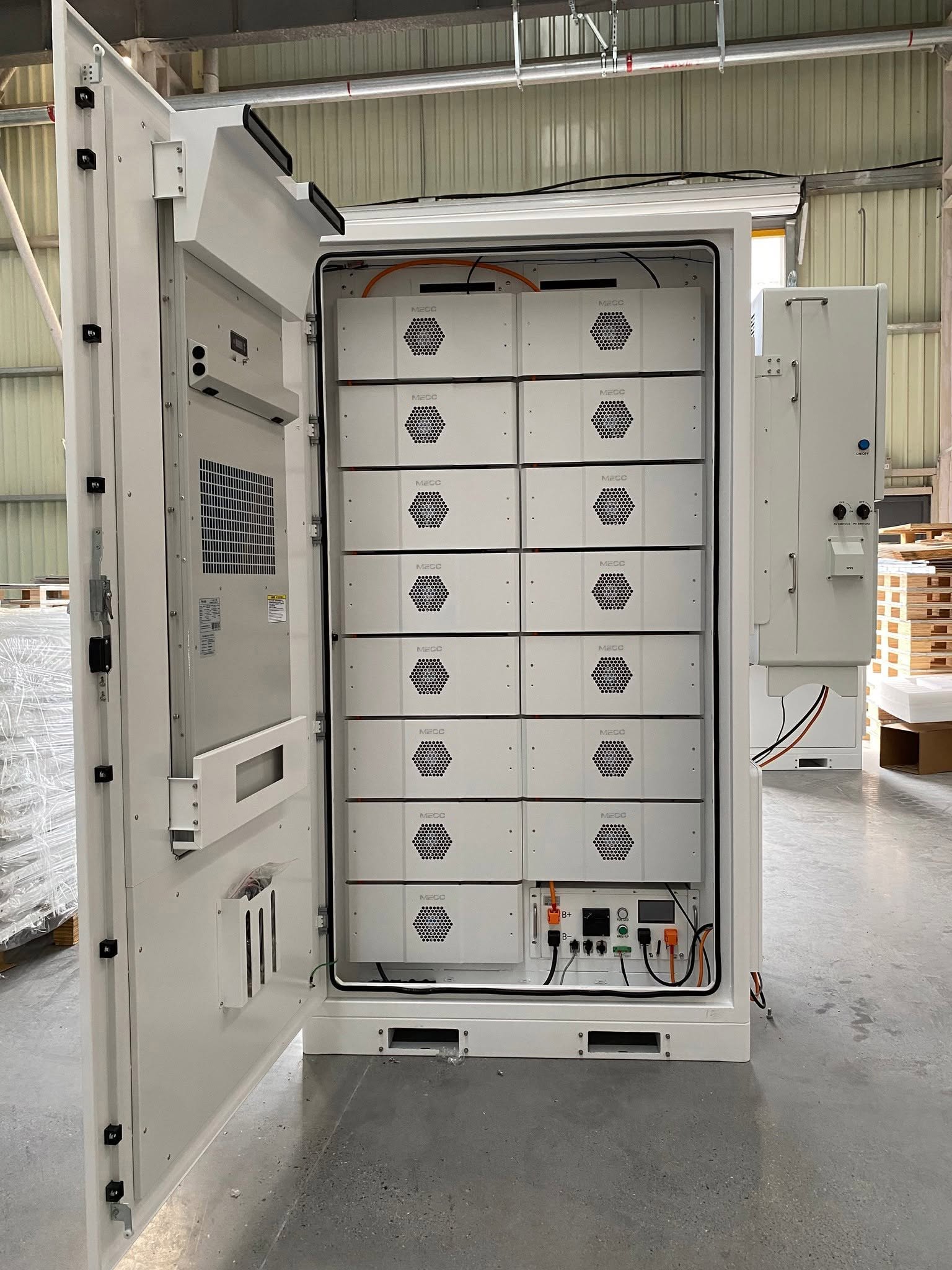
Timeline and common delays
Typical installs run weeks to months depending on size, but the critical path is rarely the physical build. Expect delays from permitting, utility interconnection queues, and equipment lead times. Early design and early paperwork are the best schedule insurance.
Impact on cost and economics
Installation quality feeds directly into commercial energy storage cost per kWh, LCOS (levelized cost of storage), battery storage ROI, and commercial battery storage payback. A clean install avoids change orders and maximizes the savings from self-consumption, microgrid resilience, or commercial solar plus storage integration - while a rushed one produces years of problems.
Choosing the right partner
Ask your commercial energy storage manufacturer or commercial energy storage supplier who performs the install - in-house or via certified partners - and how they handle commissioning, utility coordination, and O&M. Confirm certifications (UL 9540, IEC 62619) and that the team has done projects like yours, whether a C&I battery storage retrofit or a microgrid with EV charging.

125KW 241kWh Battery Energy Storage System Cabinet
The BESS 125KW 241kWh Lithium Battery Energy Storage Cabinet is a high-power, large-capacity integrated energy storage solution engineered for medium-to-large commercial, industrial, and utility-scale applications. It integrates a 125kW high-performance bidirectional inverter, a 241kWh lithium iron phosphate (LiFePO4) battery bank, and a full-featured intelligent energy management system (EMS) into a modular cabinet design. This system enables efficient renewable energy storage, peak shaving, load shifting, grid frequency regulation, and emergency backup power supply. Ideal for large factories, shopping malls, industrial parks, utility-scale solar/wind farms, and microgrids, it enhances energy independence, reduces high grid demand charges, and supports the stable integration of high-penetration renewable energy into the grid.