


Modern battery energy storage systems (BESS) are not isolated boxes. They're connected assets - tied to cloud monitoring, remote dispatch, utility demand response platforms, and increasingly to virtual power plants and aggregators. That connectivity is what makes them valuable, and it's also what makes them a target. A compromised storage system isn't just a data breach; it's a physical and financial risk, because the attacker gains control of real power. Cybersecurity for energy storage has become as essential as fire safety.
Why cybersecurity matters for storage
Storage sits at the convergence of IT and operational technology (OT). The EMS (energy management system) talks to the cloud; the BMS (battery management system) and PCS (power conversion system) run on industrial controllers; and external parties - utilities, aggregators, service providers - need access. Each connection is a potential entry point. The consequences of a breach range from operational disruption to deliberate misuse of stored energy.
The attack surface
A connected BESS exposes many interfaces:
Cloud monitoring and analytics platforms and their web and mobile apps.
Remote maintenance channels and vendor backdoors.
APIs linking to VPP and demand response platforms.
Gateways and local controllers bridging OT and IT networks.
Firmware on BMS, PCS, and EMS devices.
Field networks connecting modules and sensors.
Every one of these must be secured - a chain is only as strong as its weakest link.
What a breach could do
The risks are concrete. An attacker with control access could manipulate charge and discharge cycles, sabotaging peak shaving or TOU arbitrage strategies and exposing the site to punitive demand charges. More seriously, they could attempt to override safety limits, disrupt grid services, cause premature asset degradation, or hold operations hostage with ransomware. In aggregate, cyber-compromised storage could even destabilize grid operations - which is why regulators are paying attention.
Standards and frameworks
Several frameworks shape storage cybersecurity:
IEC 62443 - the leading standard for industrial automation and control system (OT) security.
NIST Cybersecurity Framework - a risk-management structure widely required by enterprises.
UL 2900 series - software and firmware cybersecurity testing.
IEC 62351 - security for power system communications.
Plus the safety and interconnection stack: UL 9540, NFPA 855, and IEEE 1547.
A credible product aligns with these, and increasingly buyers specify them in tenders.
Secure-by-design principles
Cybersecurity can't be bolted on. Strong designs embed:
Network segmentation - isolating OT from IT and the internet.
Least privilege - every account and device gets the minimum access required.
Encrypted communications - protecting data in transit and at rest.
Secure boot and signed firmware - preventing tampered software from running.
No default credentials - eliminating the single most common vulnerability.
Comprehensive audit logging - so every command is traceable.
These are engineering decisions made before a product ships.
Access control and identity
Who can command your battery? Strong access control means multi-factor authentication, role-based permissions, and controlled vendor access - often through a hardened VPN or jump host, never an open port. Third-party maintenance access should be logged, time-limited, and revocable. Battery storage maintenance and cyber access management must be designed together.
Monitoring and detection
Prevention will eventually be tested, so detection matters. Centralized logging, anomaly detection on dispatch commands, and monitoring through a security operations center help catch intrusions early. Anomalies - unusual discharge commands, odd-hour access, unexpected firmware changes - are the signals that something is wrong.
Firmware and patching
Connected assets need a disciplined patch lifecycle. Signed over-the-air updates, rapid response to published vulnerabilities, and clear end-of-support timelines all matter. A commercial energy storage manufacturer that can't patch promptly leaves customers exposed for years.
Operational and organizational measures
Technology alone isn't enough. Sites need an incident response plan, defined roles, and contracts that assign cybersecurity responsibility between owner, integrator, and vendor. For microgrid and V2G deployments that aggregate many assets, the stakes rise - one weak node can affect the fleet.
Impact on economics and procurement
Cyber resilience affects insurability, compliance, and enterprise procurement. When evaluating commercial energy storage cost per kWh, LCOS (levelized cost of storage), battery storage ROI, and commercial battery storage payback, treat cybersecurity as a requirement - because a breach can wipe out years of peak shaving or demand response value. Increasingly, enterprise buyers will not approve an insecure system at any price.
Questions to ask your supplier
Ask a prospective commercial energy storage manufacturer or commercial energy storage supplier: Which security standards do you align with (IEC 62443, NIST, UL 2900)? How is OT segmented from IT? Are communications encrypted and firmware signed? How are patches delivered, and for how long? Who can access my system remotely, and is it logged? Do you provide an incident response playbook? How does this integrate with commercial energy storage installation and battery storage maintenance? Vague answers indicate a vendor that hasn't taken cyber seriously. Also confirm how the system supports safety compliance (UL 9540, NFPA 855, IEC 62619) without creating insecure remote-access shortcuts.
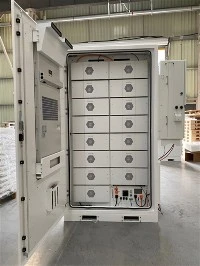
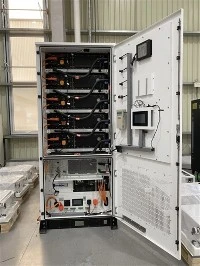
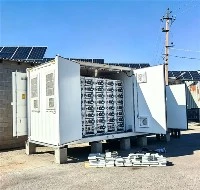
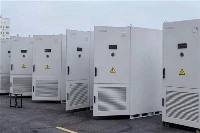
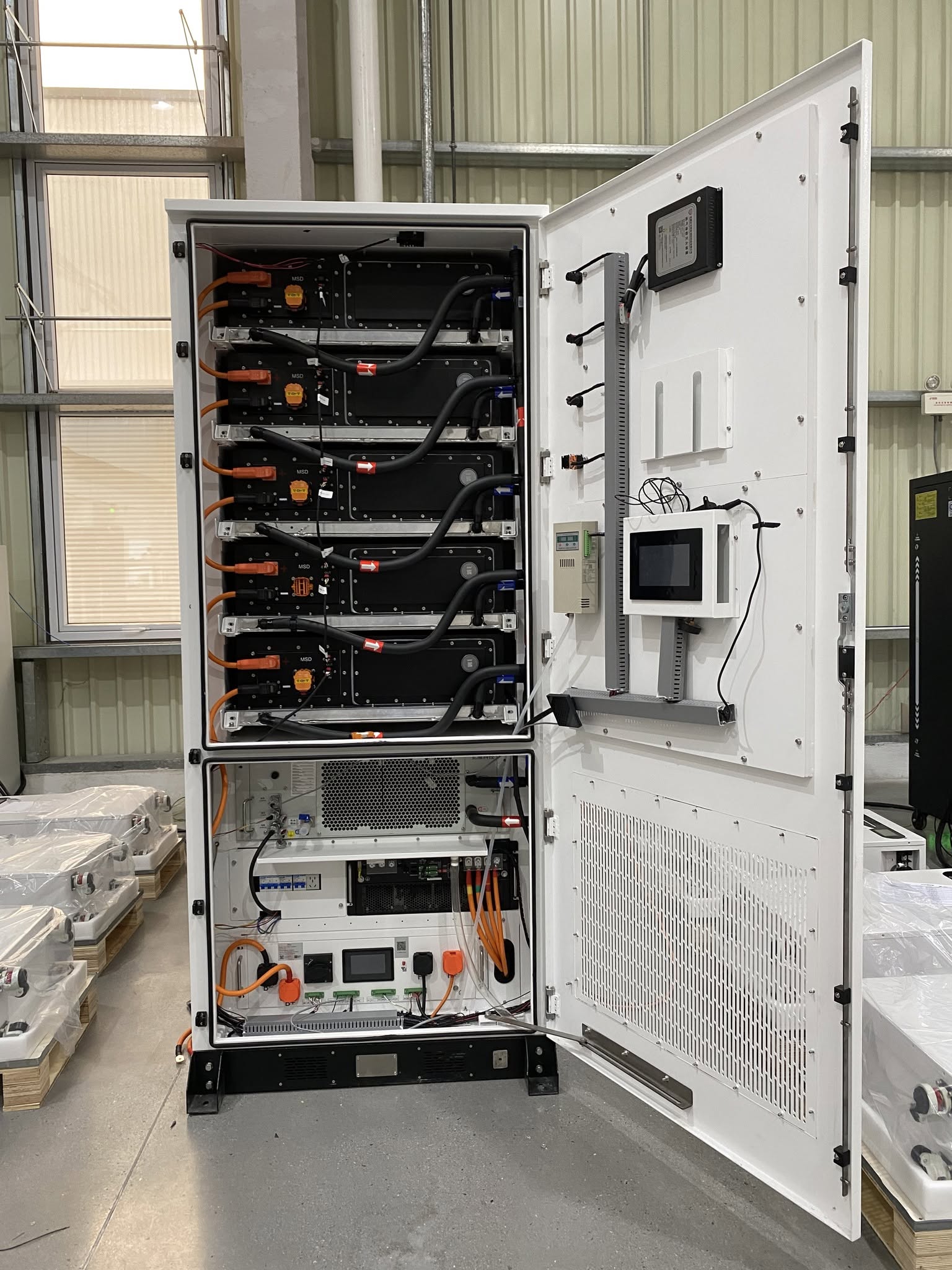
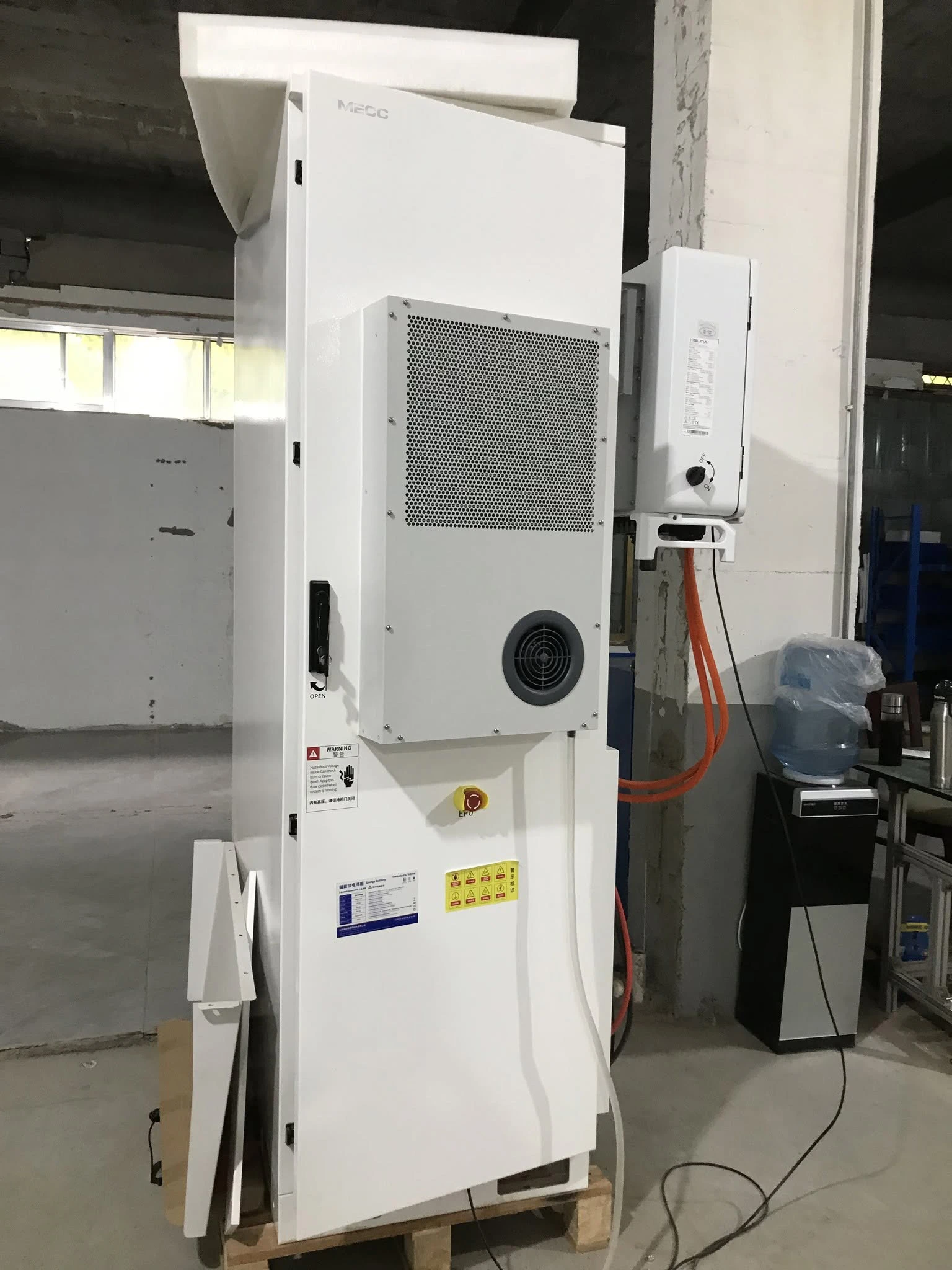
Liquid Cooling 125KW 261kWh Lithium Battery Energy Storage Cabinet
The IP54 Protected All-in-One Solar Energy Storage Cabinet is a high-performance, integrated energy solution engineered for outdoor commercial, industrial, and utility-scale solar applications. It integrates a 125kW Power Conversion System (PCS), a 261kWh lithium iron phosphate (LiFePO4) battery bank, an advanced liquid cooling system, and a intelligent Battery Management System (BMS) into a single cabinet with IP54 weatherproof protection. Designed to withstand harsh outdoor environments while delivering efficient energy conversion and storage, it supports solar energy absorption, peak shaving, load shifting, grid auxiliary services, and emergency backup power. Ideal for utility-scale solar farms, industrial parks, large commercial complexes, and remote microgrids, it provides a reliable, space-saving, and low-maintenance solution for large-scale renewable energy integration.
