



Every storage buyer hears the pitch eventually: solid-state batteries will make everything else obsolete - safer, denser, longer-lived. The question behind the question is always the same: should I delay my project and wait?
The short answer is no. The longer answer is worth understanding, because solid state battery storage will eventually matter - just not on the timeline the headlines imply, and not for the reasons most relevant to a commercial or industrial site.
This is a reality check: what solid-state actually is, why its development path runs through electric vehicles rather than storage, where the technology genuinely stands, and what a buyer should rationally do about it.
What "solid-state" actually means
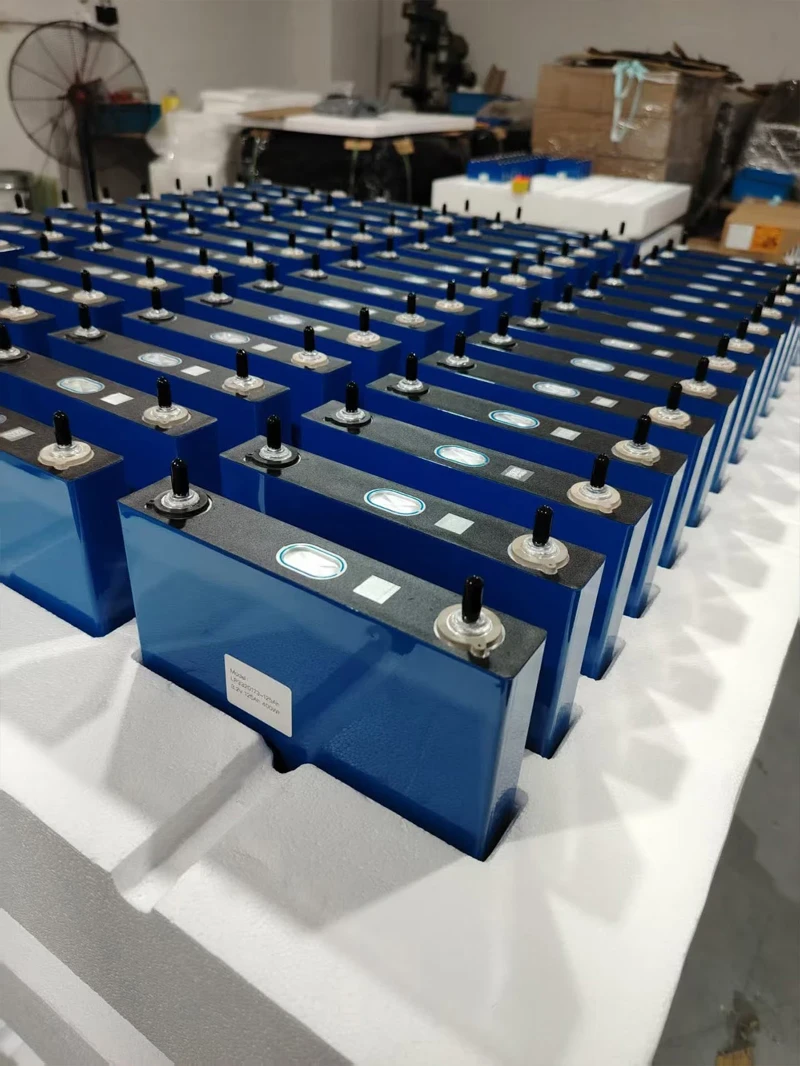
Conventional lithium-ion cells use a liquid electrolyte to carry lithium ions between the electrodes. Solid-state replaces that liquid with a solid material. The claimed prizes: higher energy density (potentially enabling a lithium metal anode), fundamentally better safety (no flammable solvent), and longer life (no electrolyte decomposition).
The complication is that "solid-state" covers several very different material families, each with a different engineering personality:
Oxide electrolytes - chemically stable and safe, but brittle and difficult to interface with electrodes. Manufacturing contact at scale is the core problem.
Sulfide electrolytes - the highest ionic conductivities and the EV industry's leading candidate, but extremely moisture-sensitive (releasing hydrogen sulfide on exposure) and demanding of production environments.
Polymer electrolytes - processable on existing lines, but low conductivity at room temperature, which usually means the cell must be kept warm to operate.
Halide electrolytes - a newer, promising family, still early.
And then there is the grey zone: semi-solid and gel electrolytes, marketed as solid-state-adjacent, which retain some liquid. Some shipped products labelled "solid-state" fall here. The label boundary is commercial, not scientific - a fact worth remembering when reading vendor claims.
Why the roadmap runs through cars, not storage
The billions invested in solid-state are overwhelmingly aimed at electric vehicles, and the targets are automotive targets: energy density in watt-hours per kilogram, fast charging, crash safety, range.
Stationary storage optimises for a different set of objectives:
Cost per kilowatt-hour - the dominant variable, by a wide margin.
Cycle life and calendar life - ten to twenty years of daily duty.
Footprint tolerance - unlike a car, a C&I site rarely cares whether the battery is 30% smaller.
Safety, yes - but measured against a code framework, not a crash test.
A technology that delivers +40% energy density at +200% cost is transformative for a vehicle and pointless for a container that has room to spare. This mismatch is the single most important fact in the timeline: solid-state will scale where the money is, and the money is in vehicles. Storage adoption will follow - years later, and only if the cost curve cooperates.
Where the technology stands now
As of the mid-2020s, the honest picture:
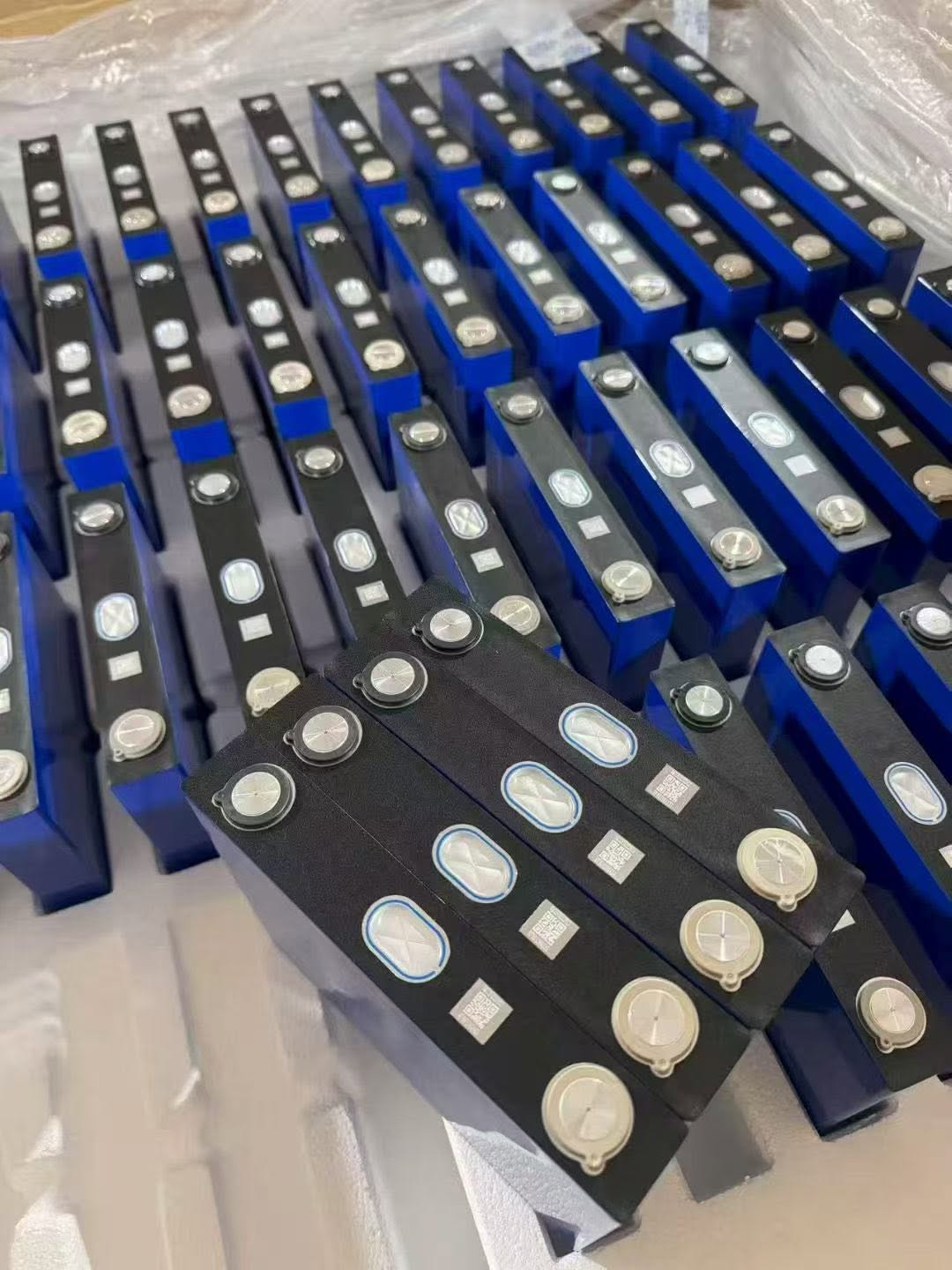
True all-solid-state cells exist in pilot production - small volumes, sample programmes, premium pricing, and manufacturing challenges (stack pressure maintenance, interface contact, dry-room requirements for sulfides) that are real engineering work, not publicity.
Semi-solid products are shipping - notably from Chinese manufacturers, offering improved safety and density claims with partial liquid content. These are legitimate products, but they are a step on a continuum, not the discontinuity the marketing implies.
Cost remains multiples of LFP. LFP sits at the bottom of the cost curve after a decade of brutal scale. Solid-state starts far above it, and its learning curve has to run the same distance LFP already has - powered mostly by automotive volume that has not arrived yet.
Long-term data is thin. Cycle life claims for solid-state are promising, but calendar ageing, stack pressure degradation over years, and field behaviour at scale are largely unproven. LFP's data set spans millions of installed systems; solid-state's spans pilot lines.
None of this means the technology will fail. It means the technology is early, and early technologies arrive in niches before they arrive in your procurement shortlist.
The nearer-term disruptor is not solid-state
For stationary storage specifically, the technology most likely to change the market before solid-state matures is sodium-ion.
The comparison is instructive:
Sodium-ion is shipping at scale today, in vehicles and storage systems.
It targets exactly the stationary optimisation: lower cost, excellent safety characteristics, good low-temperature behaviour, modest energy density - which, as noted, stationary sites rarely need.
It slots into the same manufacturing ecosystem and the same rack-and-cabinet form factors.
For a 2-to-4-hour C&I application, sodium-ion is the credible near-term alternative to LFP. Solid-state competes in that space only if and when its cost curve crosses LFP's - and even then, it competes on properties (density, ultimate cycle life) that storage projects value less than price.
Three claimed benefits, examined
"It's safer, so the fire compliance burden goes away."
No. NFPA 855, the IFC and local amendments regulate energy storage by energy capacity, technology category and installation type - they do not waive requirements because a chemistry is nominally non-flammable. A solid-state system will still need testing, listing, separation analysis and AHJ review. Safety improves in physics; paperwork improves slowly. If a vendor claims their solid-state product skips the fire review, that claim should shorten your shortlist.
"Higher energy density frees up site space."
Sometimes - but C&I sites are usually constrained by separation distances, access and fire zones, not by battery volume. A denser rack does not relax the setback to the property line. The density dividend is real in constrained indoor rooms and marginal outdoors.
"Cycle life is dramatically longer."
The claims are encouraging; the evidence is early. What matters is cycle life at realistic conditions - full depth of discharge, real temperature, real calendar ageing - validated by third parties, plus the stack-pressure maintenance story over a decade. Demand the same evidentiary standard you would apply to any cell supplier, and be suspicious of lab-optimised cycle data.
A realistic timeline
2026–2028. Semi-solid and early solid-state products occupy premium niches - applications that pay for safety or density at a cost premium. Pilot projects in stationary storage, mostly vendor-led. LFP and, increasingly, sodium-ion keep winning the volume.
2028–2032. Automotive production at meaningful scale begins to move the cost curve. Sulfide manufacturing matures. First genuine utility-scale and larger C&I deployments, likely at a premium justified by specific site constraints.
2030s. Plausible window for solid-state to become a standard option in stationary storage - if the cost trajectory holds. Even then, it enters a market where LFP has fifteen more years of installed base, data and optimisation. "Becomes available" and "becomes the default" are different milestones, years apart.
The honest probability statement: solid-state is likely to matter for storage, likely later than its champions project, and unlikely ever to be the only chemistry that matters. LFP taught this industry that a "mature" technology can keep improving for a decade.
What a buyer should actually do
Do not wait. The savings forgone during a three-year wait usually exceed any plausible price improvement - the same analysis as the price-trend discussion, and it applies with more force to a technology whose arrival date is uncertain.
Watch three indicators rather than headlines:
Third-party cycle and calendar ageing data at realistic conditions - not vendor lab results.
Shipped volume, which is the only thing that bends a cost curve.
Warranty terms offered at scale - a vendor's willingness to underwrite capacity and life is the most honest signal of maturity that exists.
Protect the future option, cheaply:
Size electrical infrastructure and civil works for flexibility, so a future chemistry swap is a rack decision, not a site decision.
In long-dated contracts, include technology-refresh language for mid-life upgrades.
Require suppliers to state a roadmap commitment - but weight contracts on the product being offered today.
And note the asymmetry: if solid-state arrives late, a project built now on LFP simply enjoys a normal asset life. If it arrives early, your repower decision - covered in the lifecycle article - captures it. Waiting captures neither.
FAQ
When will solid-state batteries be used in commercial storage?
Pilot deployments are happening now through semi-solid products; genuine all-solid-state in mainstream stationary storage is a 2030s proposition, contingent on automotive-driven cost reduction.
Are solid-state batteries safer?
In physics, generally yes - no flammable liquid electrolyte. But code compliance does not change automatically, and new chemistries bring new failure modes with less field history. Treat safety claims as claims until test data exists.
Is sodium-ion a better bet for my storage project?
For cost-driven 2–4 hour applications, it is the nearer-term alternative already in production. Evaluate it now alongside LFP; it may be the more relevant "new chemistry" for your 2027 procurement.
Should I delay my project for better technology?
Almost never. The savings forgone during the wait typically exceed the expected benefit, and technology transitions arrive gradually - with repowering as the practical mechanism to capture them mid-life.
How do I evaluate a "solid-state" vendor claim?
Ask which electrolyte architecture, what fraction is truly solid, third-party test data, shipped volume, and warranty terms. Semi-solid is not wrong - it just is not the discontinuity the label implies.
The bottom line
Solid state battery storage is a genuine technology with a genuine future - and a development path that runs through vehicles, on automotive priorities, at a cost curve that storage will inherit last. For a C&I buyer in the next several years, the practical decisions are LFP versus sodium-ion, augmentation design, and a procurement structure that keeps the repower option cheap.
Buy what is proven, design so you can change later, and let the solid-state timeline be the market's problem rather than your project's delay.