



For a surprising number of commercial and industrial sites, the energy bill is not driven by how much electricity they use - it is driven by how much they used at the worst possible moment. That worst moment sets the demand charge, and it is the line item a C&I battery energy storage system (BESS) is uniquely built to attack. This article explains how peak shaving actually slashes commercial demand charges, what it takes to size it right, and how it stacks with other savings.
Why Demand Charges Hurt So Much
Most C&I tariffs carry two charges. The energy charge is straightforward - cents per kWh. The demand charge is the painful one: it is based on your highest 15-minute peak demand in kW during the billing period, multiplied by a $/kW rate. A single compressor startup, an HVAC ramp, or a batch process can spike that peak for a quarter of an hour and then inflate the bill for the entire month. That is why energy storage for demand charge management is often the fastest payback use case in a commercial battery storage solution.
The Peak Shaving Mechanism
A behind-the-meter / grid-tied battery sits between your facility and the utility meter. During your highest-load windows, it discharges to serve part of the load locally, so the grid only sees a smaller peak. The AI-based energy management system (EMS), reading your live load and the tariff clock, commands the power conversion system (PCS) to inject power at exactly the right moments; the battery management system (BMS) keeps every cell safe while it does. No operator needed - the shaving happens automatically, every peak, every month.
Not All Peaks Are the Same
The shape of your peak decides the design. A site with one sharp, brief spike needs a high C-rate for a short duration - a fast punch. A site with a sustained plateau needs more energy and longer duration. This is precisely why how to size a commercial battery system starts with interval data, not a catalog number. A C&I energy storage sizing calculator run during a free site assessment maps your specific peak shape to the right configuration.
Sizing for Demand-Charge Reduction
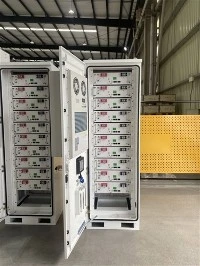
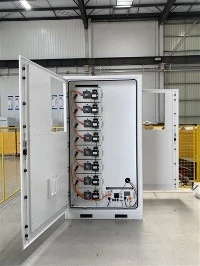
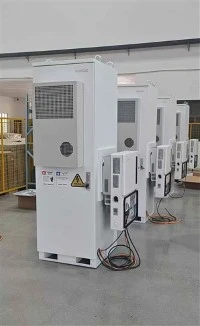
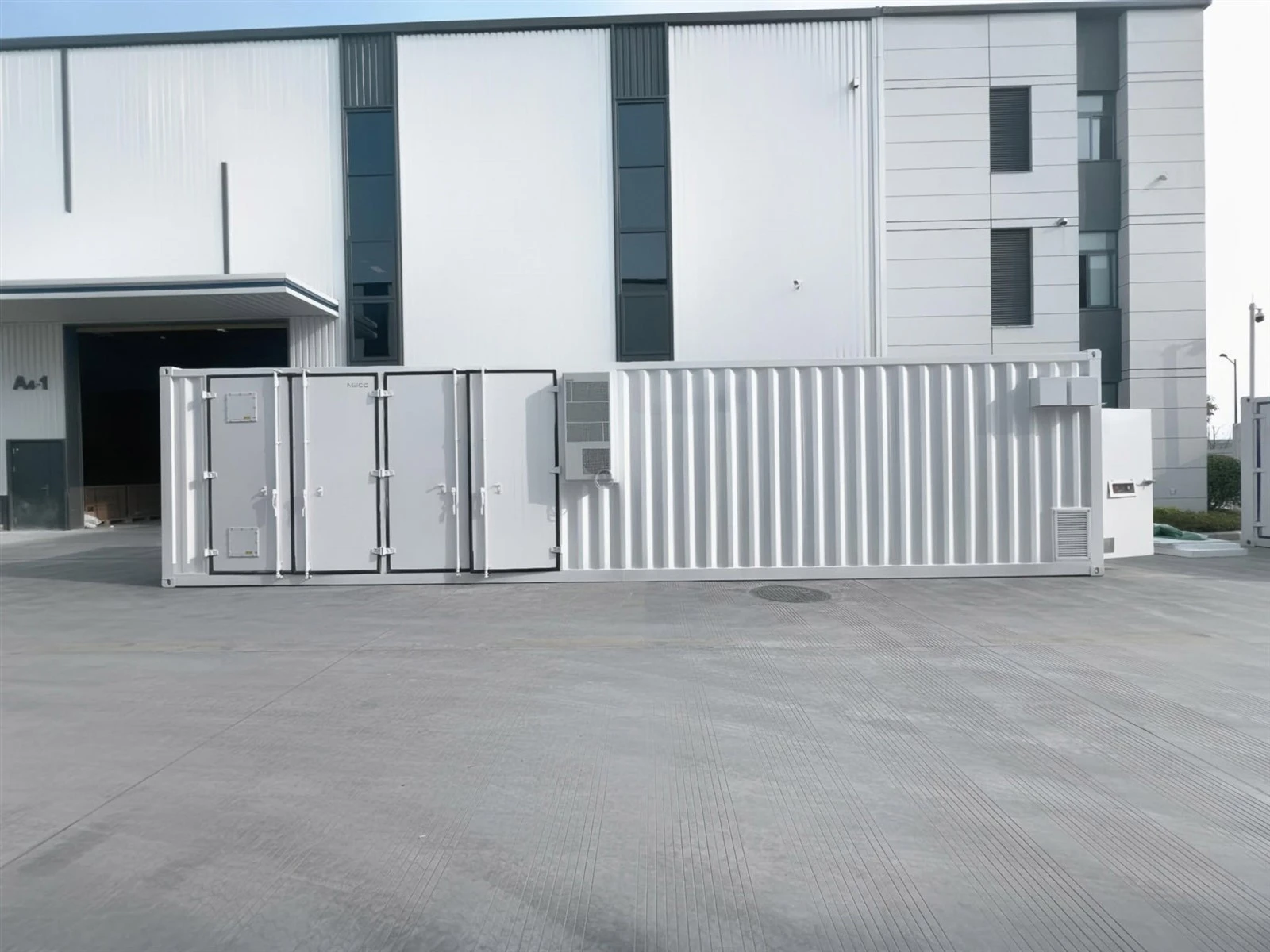
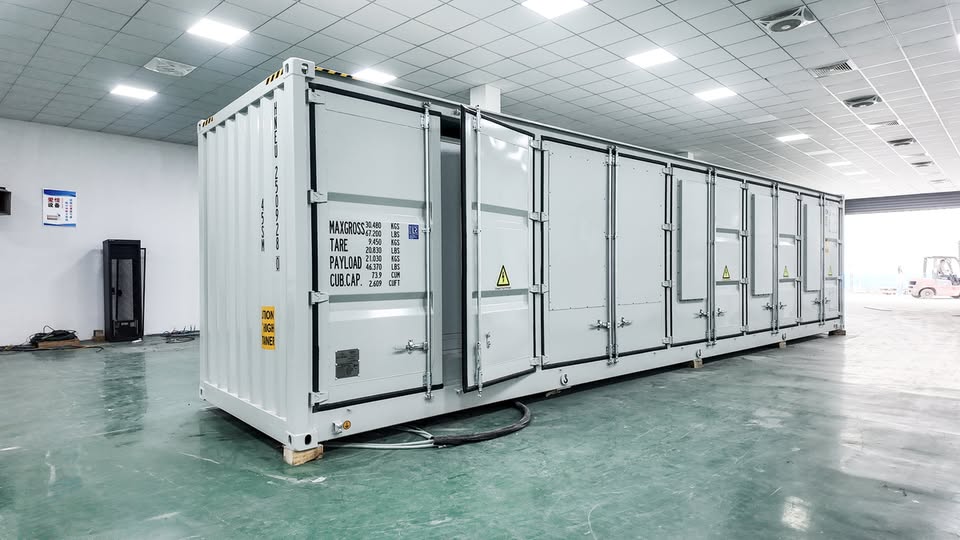
Because capacity is built from standard 215 kWh commercial energy storage blocks, you can match the battery to the peak without oversizing. A small all-in-one cabinet may handle a single stable load; a growing factory energy storage system or rooftop energy storage system may use modular C&I BESS racks or a containerized C&I BESS 20ft to scale. Modern systems run on lithium iron phosphate (LFP) cells at 1500V DC, with liquid-cooled vs air-cooled options chosen for duty and climate - and because demand-charge shaving cycles the battery daily, cooling and cycle life matter directly to the return.
The Realistic Impact
The savings scale with how much peak you can shave and what your utility charges per kW. On a site peaking near 500 kW, shaving roughly 150 kW off that peak at a demand rate around $15 per kW can cut the monthly demand charge by a meaningful four-figure sum, recurring across billing months. Larger industrial sites with containerized C&I BESS 20ft deployments and steeper rates see the figure grow proportionally. The point is not a single heroic month - it is a predictable, repeating reduction that the CFO can bank on.
Stacking More on Top
Peak shaving rarely travels alone. The same battery can run time-of-use arbitrage to capture energy arbitrage revenue from price spreads, join demand response programs for utility payments, and pair with commercial solar plus storage to shift free midday PV into expensive evenings. In a microgrid setup it also covers outage resilience. Stacking two or three streams is what turns a single demand-charge win into a strong battery storage ROI for businesses case.
Cost and Payback
The commercial energy storage cost per kWh sets your denominator; the recurring demand-charge cut sets the numerator. Well-designed peak-shaving systems often post a compelling C&I energy storage payback period, especially where demand rates are high and peaks are sharp. Every added value stream is incremental margin on the same hardware.
Safety and Compliance
Any system beside an occupied building must clear UL 9540 / UL 9540A, NFPA 855, and IEC 62619 with regional CE / UKCA marks, and must include fire suppression and thermal runaway prevention. These protect both people and the asset - and therefore the savings - over its life.
From Strategy to Quote
Compare best commercial energy storage systems 2026, weigh turnkey C&I energy storage against wholesale supply, and evaluate OEM/ODM energy storage manufacturer partners for custom builds. Ask top C&I BESS manufacturers for a transparent BESS price quote request built on your interval data.
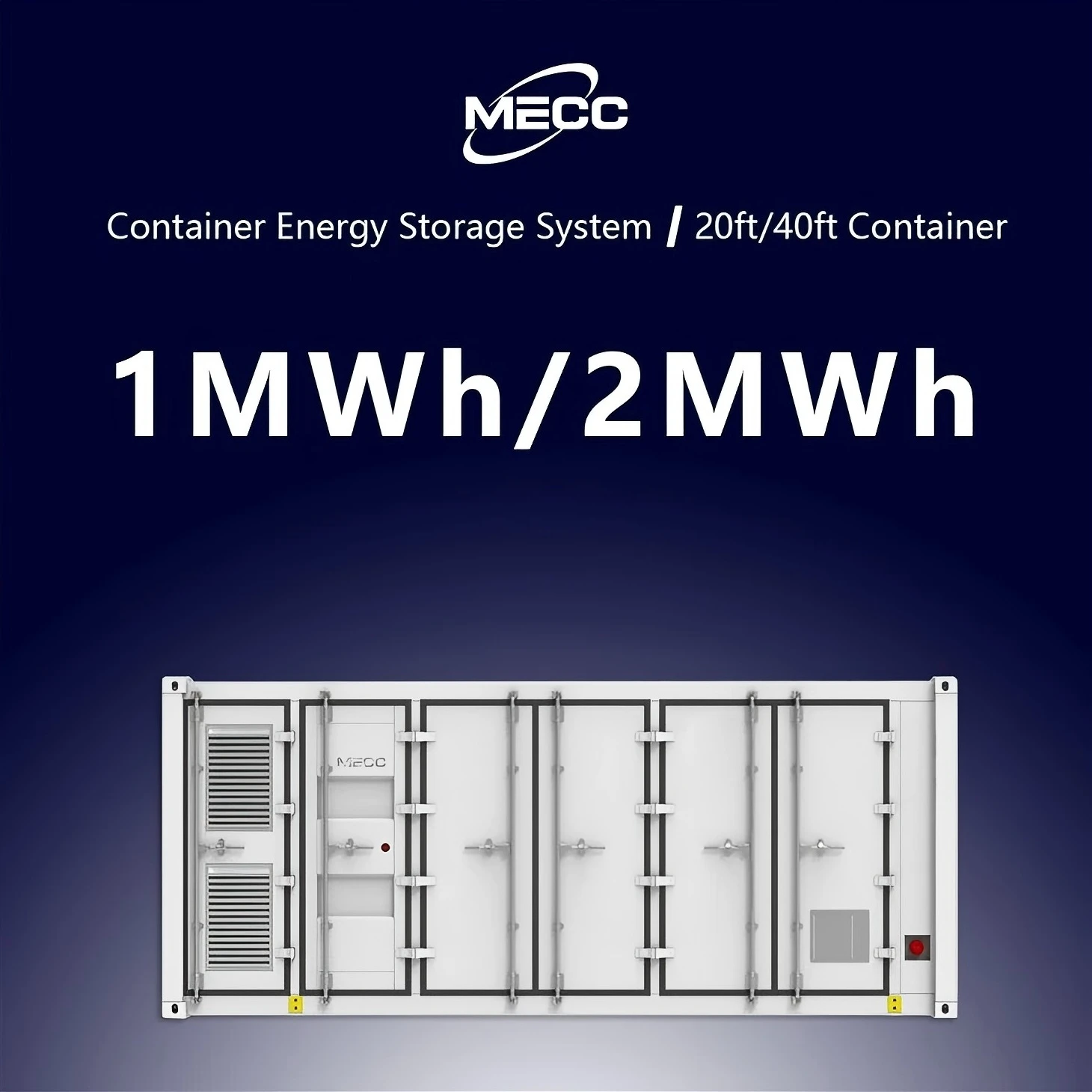
500KW/1MW 1MWh/2MWh Battery Energy Storage System Container
The 500kW/1MW 1MWh/2MWh Battery Energy Storage System Container is a turn‑key utility‑grade energy storage solution housed in standard 20ft or 40ft shipping containers, integrating bidirectional PCS, A‑grade LiFePO4 battery clusters, master BMS, liquid‑cooled thermal management, gas fire suppression, high‑voltage distribution and EMS energy management system with full factory pre‑assembly and pre‑commissioning. Requiring only foundation construction and high‑voltage cable connection for on‑site commissioning, it supports flexible power‑capacity configuration and multi‑container parallel expansion, delivering core capabilities of peak‑shaving and load shifting, renewable energy smoothing, frequency‑voltage grid support, islanded micro‑grid operation and large‑scale emergency backup. Featuring IP54 enclosure protection and comprehensive multi‑layer safety mechanisms, it adapts to diverse harsh outdoor environments, and is widely deployed for ground‑mounted PV power stations, industrial parks, mining operations, island microgrids and grid‑side auxiliary service projects to stabilize grid fluctuations, boost renewable energy utilization and reduce comprehensive energy costs.