


Solar on a commercial roof is now routine. Solar plus storage is the part that actually changes the financial story. A commercial solar plus storage system does more than generate clean power - it banks that power and deploys it when the grid is most expensive or most fragile. This guide explains when the hybrid commercial solar plus storage economics truly "pencil out," and what site conditions flip a maybe into a yes.
Why Solar Alone Underperforms
A bare commercial & industrial energy storage-free PV array has a structural weakness: it generates when the sun shines, but a facility's most expensive power is often bought in the evening. Without storage, midday surplus is exported to the grid at a low feed-in or net-metering rate while the site still pays peak retail prices after sunset. Solar alone also does nothing for your demand charge - the peak set by a single 15-minute spike - and provides no resilience during an outage.
How Storage Changes the Equation
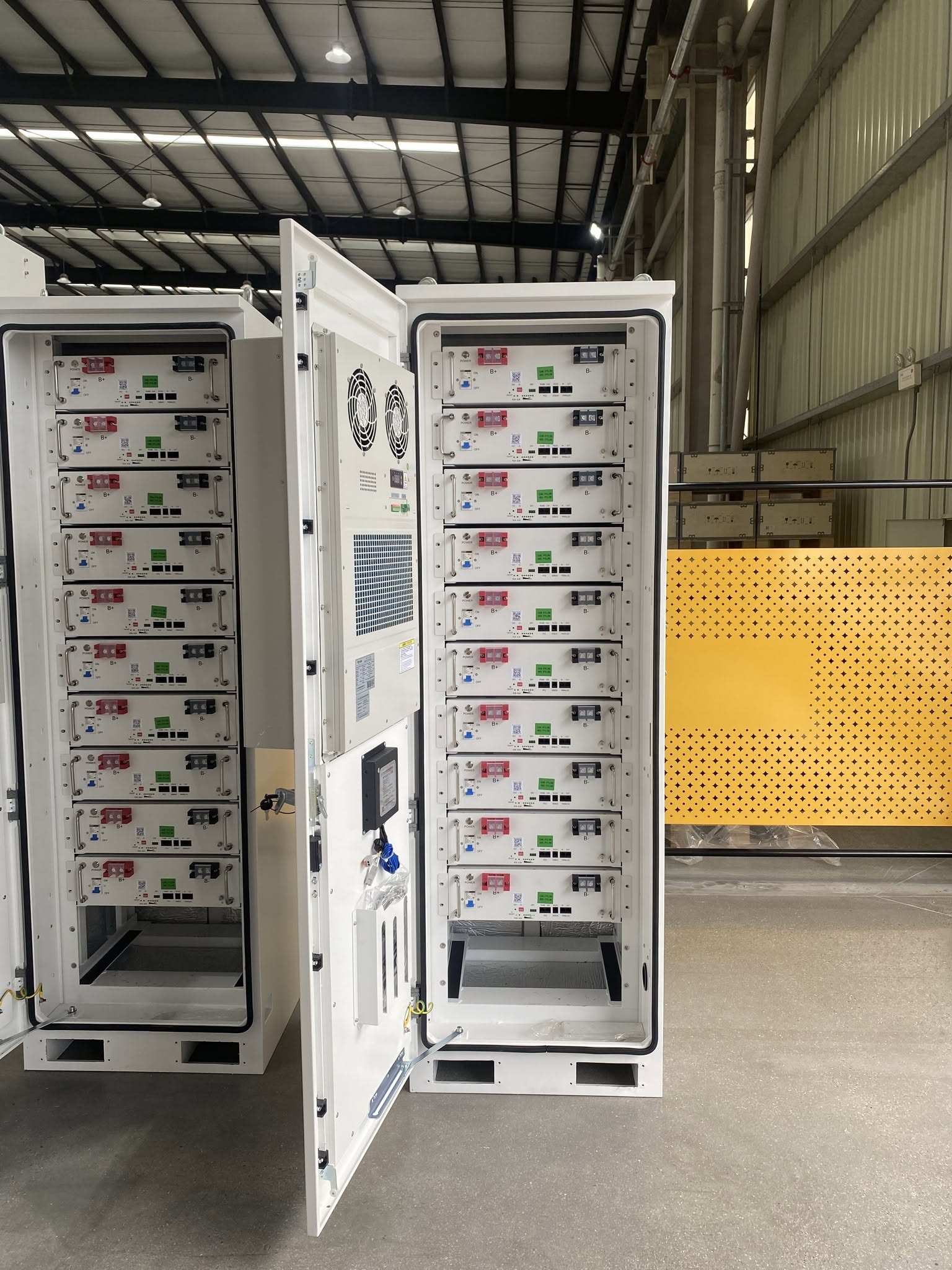
Add a C&I battery energy storage system (BESS) and the same photons become controllable. The battery stores midday PV and discharges it into expensive evening windows, lifting solar self-consumption and beating a weak export rate. It also runs peak shaving to cut the demand charge, executes time-of-use arbitrage to capture energy arbitrage revenue, joins demand response programs for utility payments, and - in a microgrid configuration - keeps critical loads alive through outages. Suddenly one rooftop serves four value streams instead of one.
The Economic Logic, in Practice
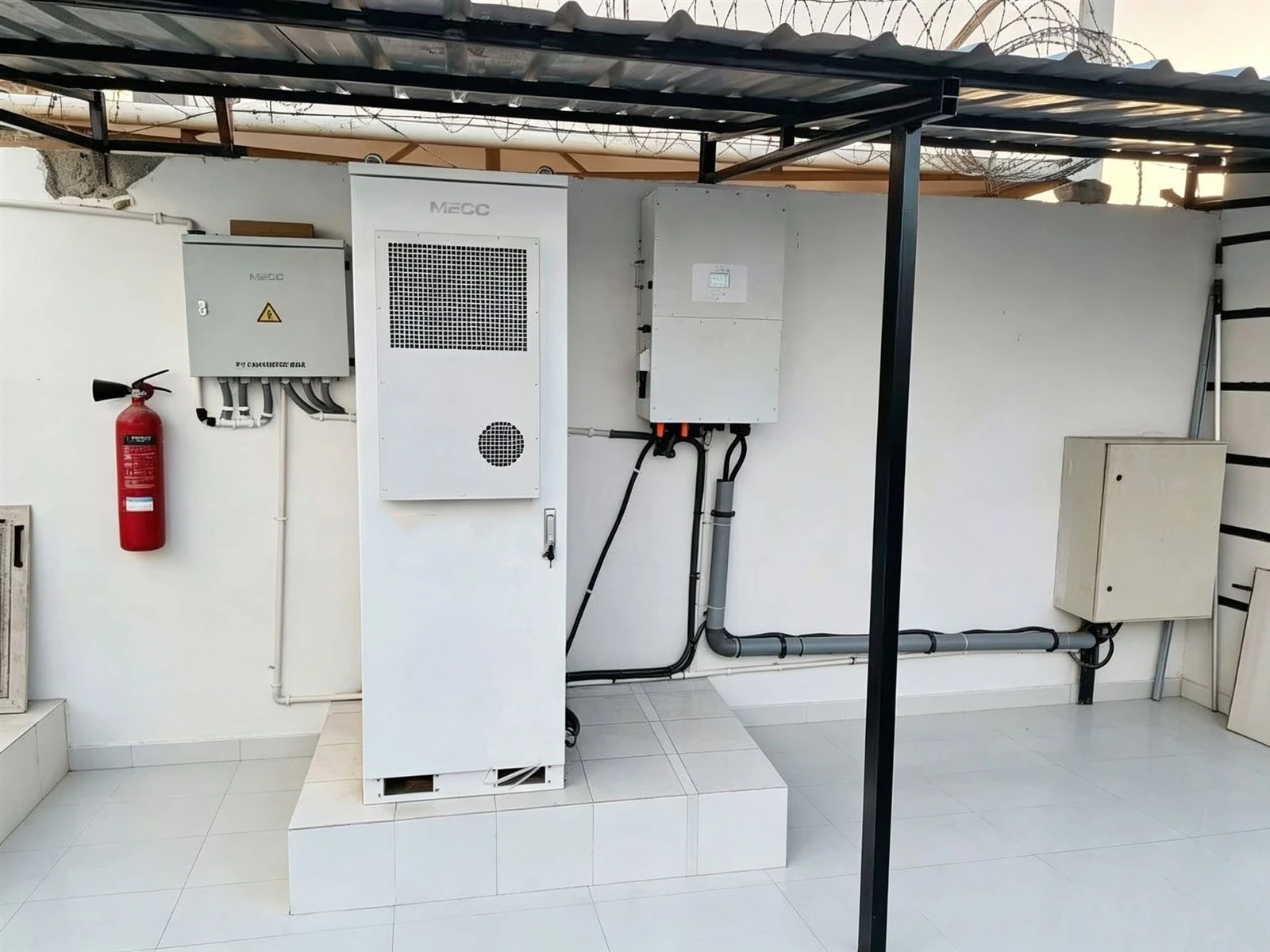
Picture a rooftop energy storage system paired with 200 kW of PV. Midday, the array produces more than the site uses; instead of exporting that energy at a few cents, the battery stores it. That evening, when retail power runs near the peak rate, the battery serves load - effectively displacing the most expensive kWh on the bill. Layer energy storage for demand charge management on top and the battery shaves the monthly peak too. A factory energy storage system with both solar and storage can turn a single PV investment into a multi-stream saving, which is why the hybrid often beats solar-only on lifetime return.
AC vs DC Coupled Matters
How you wire solar to battery affects efficiency and cost. AC vs DC coupled designs each have trade-offs: DC coupling can be more efficient for new builds, AC coupling simpler to retrofit onto an existing array. The right choice shows up in the economics, so it belongs in the early design conversation alongside power conversion system (PCS) and battery management system (BMS) selection.
When the Hybrid Pencils Out
The hybrid works hardest under a specific set of conditions. High time-of-use price spreads make evening discharge valuable. Steep demand charges reward peak shaving. A decent solar resource and limited, low-value export (tight net metering or export caps) make self-consumption the better play. Available financing / tax incentives shrink the effective capital cost. And a site with resilience needs - a process that cannot trip, or a behind-the-meter / grid-tied operation in a fragile grid area - adds value the spreadsheet barely captures. Most modern systems use lithium iron phosphate (LFP) cells at 1500V DC, with liquid-cooled vs air-cooled options tuned to duty and climate.
Cost and Payback
The commercial energy storage cost per kWh sets the denominator; the stacked savings set the numerator. Because solar plus storage stacks more streams than storage alone, the C&I energy storage payback period often improves, and battery storage ROI for businesses strengthens accordingly. Incentives can move the break-even materially, so model them explicitly rather than as an afterthought.
Sizing the Hybrid
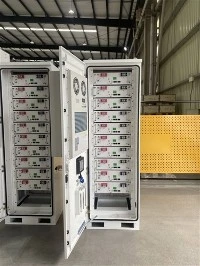
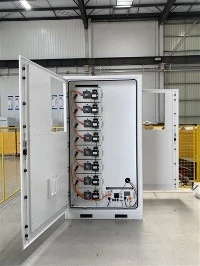
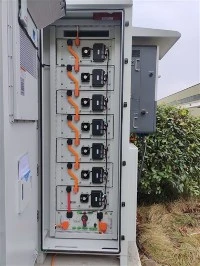
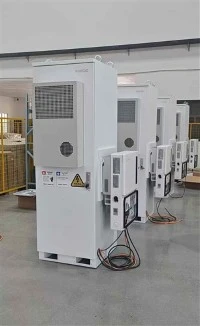
Sizing starts with your PV profile and load shape. A C&I energy storage sizing calculator used during a free site assessment sets the right C-rate and duration - the practical core of how to size a commercial battery system. Standard 215 kWh commercial energy storage blocks, whether as all-in-one cabinets, modular C&I BESS racks, or inside a containerized C&I BESS 20ft, let you match capacity to both solar yield and evening peak without oversizing.
Safety and Compliance
Any hybrid must clear UL 9540 / UL 9540A, NFPA 855, and IEC 62619 with regional CE / UKCA marks, with built-in fire suppression and thermal runaway prevention. These protect both the PV and storage assets - and therefore the economics - across the system's life.
From Theory to Quote
Compare best commercial energy storage systems 2026, weigh turnkey C&I energy storage against wholesale supply, and evaluate OEM/ODM energy storage manufacturer partners for custom builds. Ask top C&I BESS manufacturers for a transparent BESS price quote request that models solar-plus-storage savings specifically.
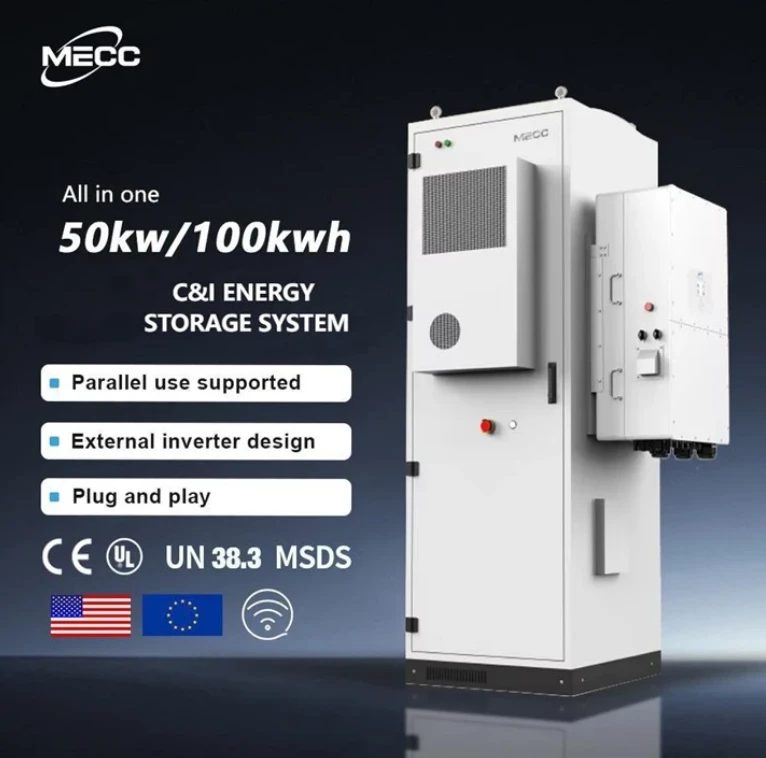
MECC 50KW 112KWH BESS Battery Energy Storage System
The MECC 50kw 112kWh Battery Energy Storage Cabinet is a high-capacity energy storage solution designed for industrial and commercial applications. Featuring 358V, 314Ah lithium iron phosphate (LiFePO4) battery, it ensures long-lasting, safe, and efficient energy storage.
High-efficiency 50kW/112kWh Industrial and Commercial Energy Storage System (C&I ESS). Features LiFePO4 battery, peak shaving, and smart EMS. Reduce operational costs and ensure power backup. Inquire for custom BESS solutions.
Designed with a compact footprint of less than 1.2 square meters, this 112kWh cabinet features a pre-integrated all-in-one design, reducing on-site installation time by 40% compared to modular rack systems.