


Project Overview
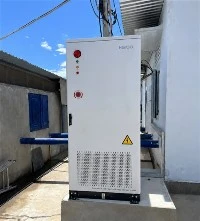
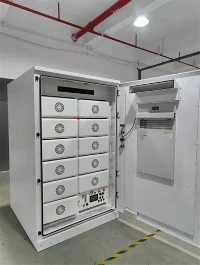
This industrial photovoltaic and energy storage project is located in Pakistan, with a installed capacity of 30kW/60kWh. Aiming at the local weak grid foundation, frequent grid fluctuation and high industrial electricity cost, MECC delivers a tailored grid-tied PV-storage hybrid solution for local industrial users. The system realizes multi-energy complementary power generation, seamless grid-tied/off-grid switching, flexible peak shaving and valley filling, and stable intelligent energy scheduling, effectively improving local power supply reliability and reducing factory energy consumption costs.
The core application advantages of the project are summarized as follows:
1. Realize multi-energy complementary power generation based on on-site photovoltaic resources;
2. Support seamless switching between grid-tied and off-grid operating modes to adapt to unstable local grid;
3. Adopt universal DC bus design for high system compatibility and expandability;
4. Equipped with dedicated PV-storage coordinated control algorithm to achieve intelligent peak load shifting and valley filling.
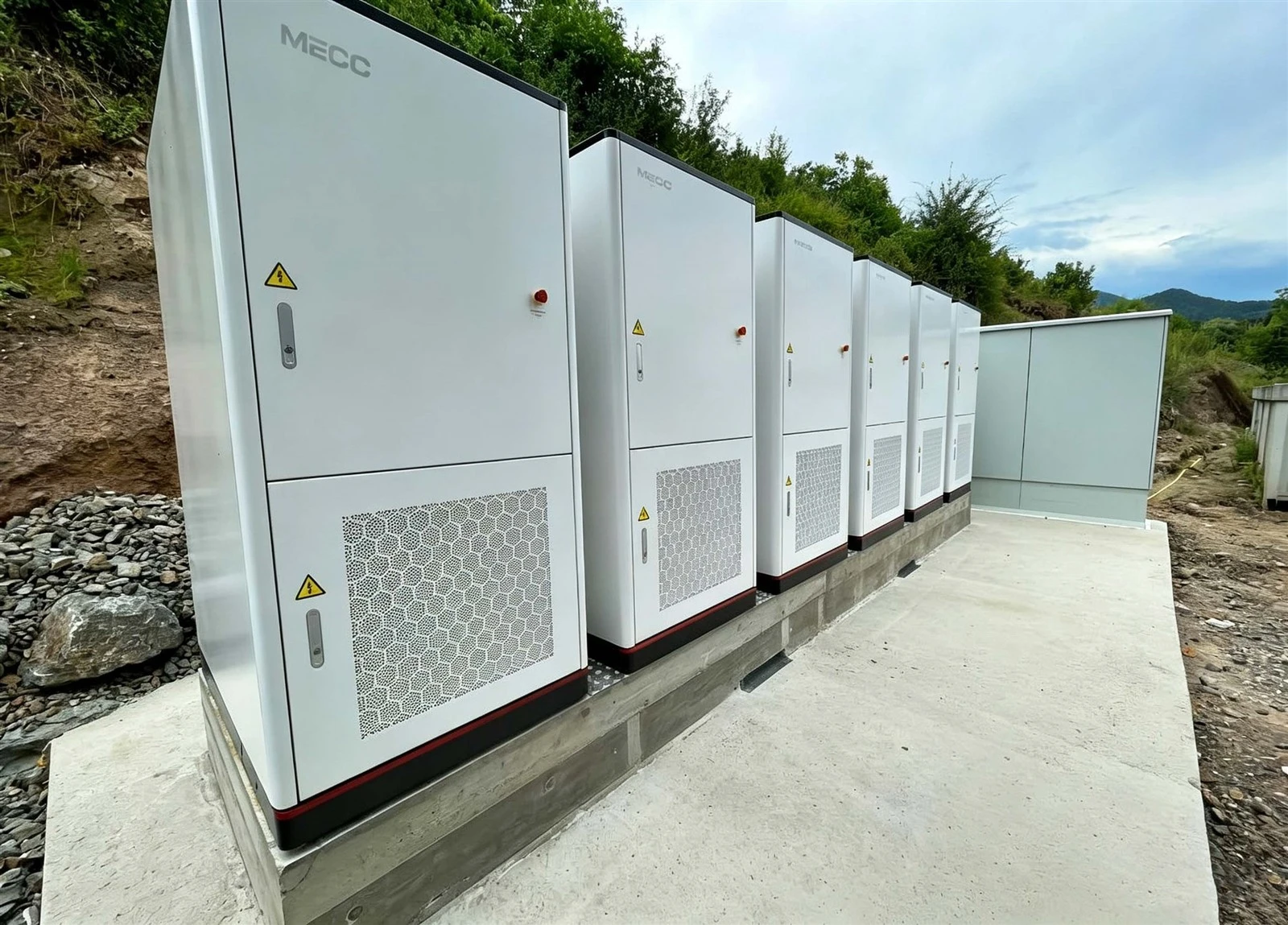
Key Technical Pain Points in Local Pakistani Industrial Scenarios
During project implementation and actual operation, local industrial users face two core industry pain points restricting the application of traditional PV-storage systems:
Pain Point 1: Frequent grid fluctuations and sudden power outages lead to production interruption
Most industrial areas in Pakistan feature weak grid infrastructure, unstable voltage and frequency, and unexpected blackouts. Ordinary grid-tied photovoltaic systems will automatically shut down once the grid fails, unable to supply power for industrial loads. Conventional switching solutions cause obvious power interruption and voltage transient shock, resulting in shutdown of industrial equipment, unstable production processes and economic losses for factories.
Pain Point 2: Disordered matching between photovoltaic output and industrial load, low energy utilization rate
Local industrial loads have obvious peak power consumption characteristics. Traditional PV systems generate power randomly with solar irradiance. Excess photovoltaic power cannot be stored effectively during off-peak hours, while power supply is insufficient during industrial peak load periods. Without intelligent coordinated scheduling between PV and energy storage, green energy cannot be fully utilized, and users still rely heavily on expensive grid electricity, failing to achieve real energy saving and cost reduction.
MECC Professional Technical Solutions
Targeting the above pain points under Pakistan's local grid conditions, MECC adopts optimized hardware architecture and self-developed scheduling algorithms to achieve highly reliable and high-efficiency system operation:
Solution 1: Realize millisecond-level seamless grid-tied/off-grid switching to guarantee continuous industrial power supply
MECC's hybrid PCS and EMS intelligent control system supports automatic identification of grid faults. When the public grid fluctuates abnormally or loses power, the system completes off-grid switching within milliseconds without power interruption or voltage flicker for industrial loads. When the grid recovers, the system realizes smooth reconnection to the grid without manual operation. This capability completely solves the problem of production shutdown caused by unstable local grid power and ensures continuous and stable operation of industrial equipment.
Solution 2: Universal DC bus design + PV-storage coordinated algorithm to maximize green energy utilization
The project adopts a universal DC bus architecture, which unifies the access of photovoltaic power generation and energy storage battery systems. The design features strong compatibility, simplified system wiring, stable overall operation and reserved expansion space for subsequent capacity upgrade. Meanwhile, MECC's self-developed PV-storage coordinated control algorithm performs dynamic intelligent scheduling: during daytime irradiation periods, photovoltaic power preferentially supplies industrial loads; surplus power is stored in the 60kWh energy storage system. During peak industrial power consumption or insufficient solar generation, the battery discharges to supplement power demand, realizing scientific peak shaving and valley filling. The strategy greatly reduces grid electricity purchase volume and improves the on-site consumption rate of photovoltaic green power.
Project Operation Mechanism
1. Multi-energy complementary power generation: Solar photovoltaic and energy storage form a complementary power supply system to make full use of local abundant solar resources and replace traditional high-cost grid power.
2. Dual-mode seamless switching: Intelligent switching between grid-tied and off-grid modes adapts to unstable local grid quality, ensuring power supply continuity.
3. Universal DC bus architecture: Standardized DC bus improves system stability, simplifies installation and maintenance, and supports subsequent capacity expansion.
4. Intelligent peak-valley regulation: The dedicated coordinated algorithm optimizes PV-storage matching, balances load demand, and reduces industrial electricity expenditure.
Project Value & Industry Influence
For local Pakistani industrial enterprises, the 30kW/60kWh PV-storage integrated system effectively solves the core problems of weak grid stability and low green energy utilization. It significantly reduces industrial electricity costs, improves the anti-interference ability of factory power consumption, and avoids production losses caused by grid fluctuations and blackouts. The modular and universal design lowers the threshold for local small and medium-sized industrial enterprises to deploy green energy systems.
From the industry perspective, this project verifies MECC's reliable technical adaptability for South Asian weak-grid industrial scenarios. It provides a standardized, low-cost and highly replicable PV-storage hybrid microgrid solution for Pakistan and similar South Asian regions with insufficient grid infrastructure, promoting the local popularization of industrial clean energy and accelerating regional energy transition.