






Soft pack lithium-ion batteries have been widely used in portable electronic devices due to their high safety, high energy density, and flexible design. The manufacturing process mainly includes the following steps:
1 Material preparation
Firstly, it is necessary to prepare the key materials for manufacturing batteries, including positive electrode materials (such as lithium cobalt oxide, lithium iron phosphate, and other lithium compounds), negative electrode materials (such as graphite or other carbon materials), separators (usually a thin layer of porous polymer film), and electrolytes. The selection of these materials is crucial for the performance and safety of batteries.
2 Electrode preparation
1. Homogenization: Disperse active substances, conductive agents, binders, and other substances evenly in proportion to obtain a uniform and viscosity stable slurry. The stability of the slurry is an important indicator for ensuring battery consistency in the battery production process.
2. Coating: Apply the positive electrode slurry onto the aluminum foil and the negative electrode slurry onto the copper foil. The coating process requires precise control of coating thickness and drying temperature to ensure the quality and consistency of electrode sheets. The density of the coating surface also needs to be strictly controlled to avoid insufficient battery capacity or waste of ingredients.
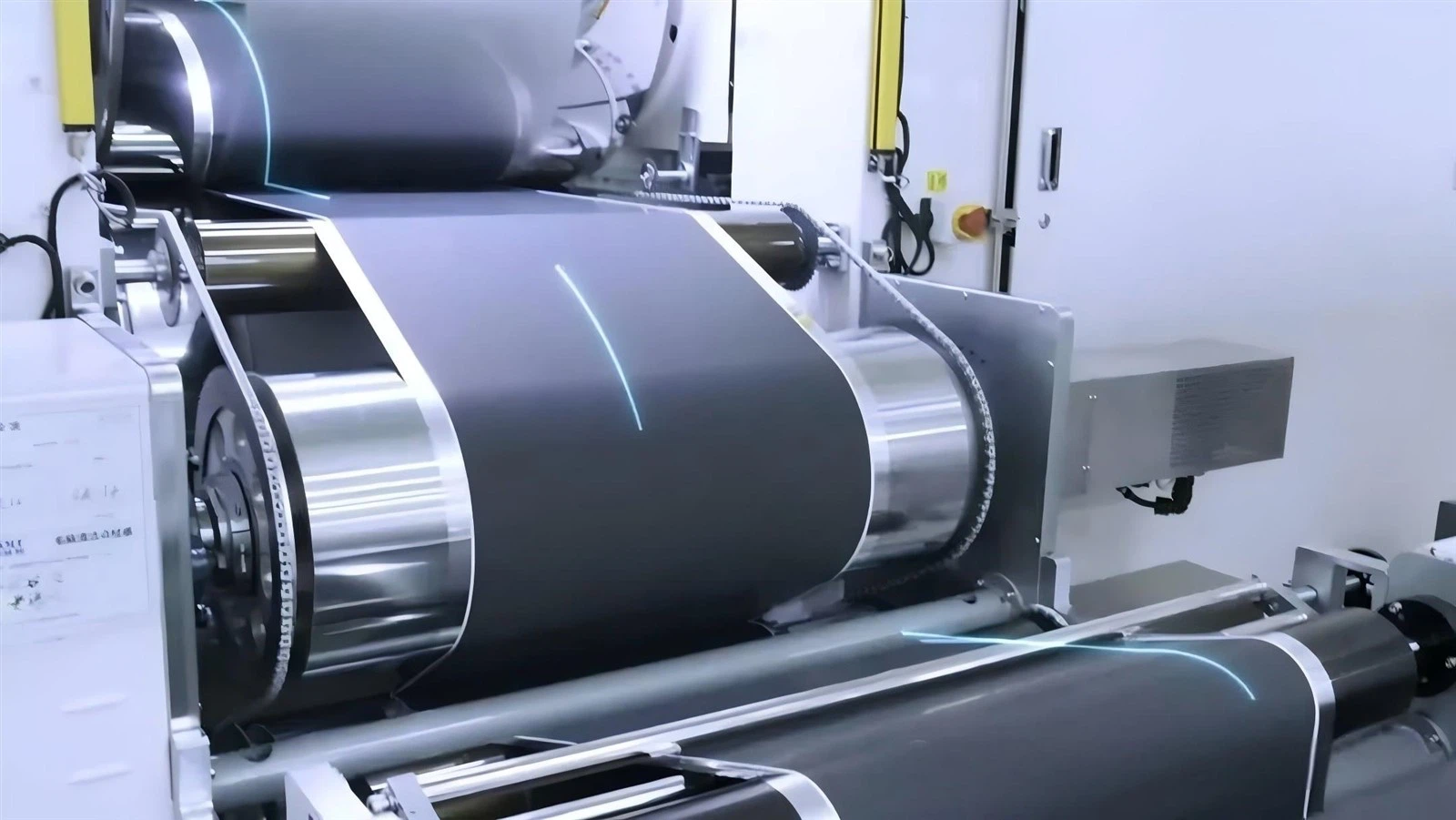
3. Roll pressing: The coated electrode sheet is compacted by a roll press machine to improve its density and strength.
4. Slitting and drying: Cut the rolled electrode sheet into the desired size and perform drying treatment to remove solvents and moisture from the electrode sheet.
3 Diaphragm preparation
The separator is a critical component in a battery that allows lithium ions to pass through while preventing electrons from passing through. The selection and preparation of separators have a significant impact on the safety and performance of batteries. During the preparation process, it is necessary to ensure that the membrane has sufficient mechanical strength and chemical stability.

4 Electrode cutting and stacking
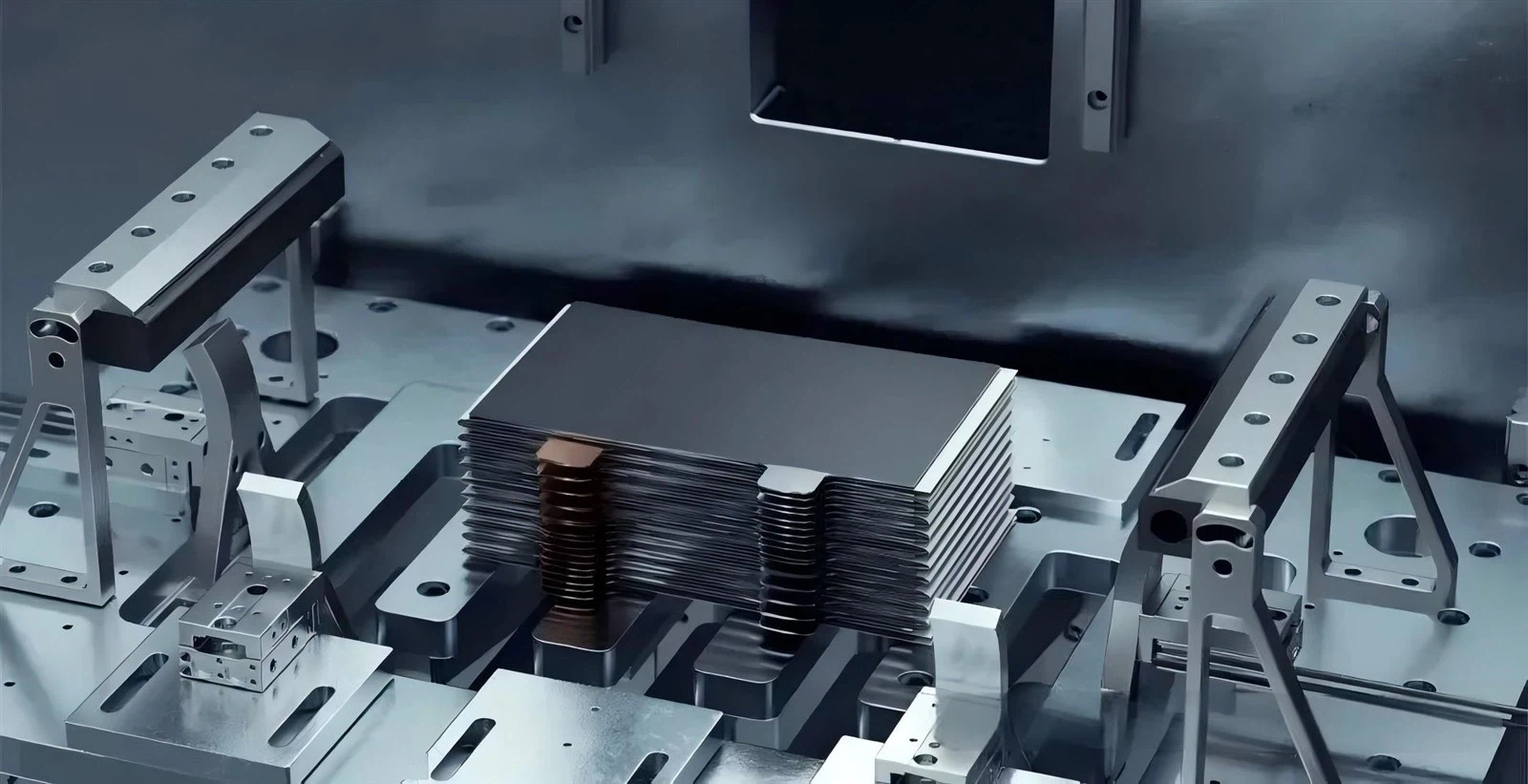
Stack the dried positive electrode sheet, negative electrode sheet, and separator in order to form the basic structure of the battery cell. During the stacking process, precise alignment and positioning are required to ensure the structural integrity and performance of the battery.
5 Battery assembly
1. Cell Forming: Design the external dimensions of the cell according to customer requirements and issue corresponding molds to form the aluminum-plastic film.


2. Top side sealing: Place the wound battery cells into the punched pits, then fold the packaging film in half along the dotted line position for top sealing (sealing the electrode ears) and side sealing.

3. Injection and pre sealing: After sealing on the top side, perform X-ray inspection on the battery cells to ensure their parallelism. Then remove the moisture from the battery cell, inject electrolyte, and perform pre sealing.
6 Transformation and activation
1. Let it stand: Allow the injected electrolyte to fully infiltrate the electrode.
2. Formation: The first charge activation of a new battery causes the electrolyte to react on the electrode surface, forming a stable solid electrolyte interface (SEI). During the formation process, gas will appear, so some manufacturers use fixtures to form and squeeze the gas into the gas bag.
3. Fixture shaping: The electrode interface after transformation is better, and fixture shaping also helps to ensure the shape and size of the battery cell.
7 Secondary packaging and shaping
1. Second sealing: Vacuum the bag to remove gas and a small amount of electrolyte, and then perform a second sealing. After sealing, remove the airbag and the battery cells are basically formed.
2. Edge cutting and folding: Cut the first and second edges to the appropriate width, then fold them up to ensure that the width of the battery cell does not exceed the standard.

8 Testing and Sorting
Conduct a series of tests on battery cells, including capacity, internal resistance, leakage current, etc., to ensure compliance with quality standards. Unqualified battery units will be removed to ensure product quality and consistency.
9 Packaging and final testing
Qualified battery cells are packaged into final products and undergo final performance and safety testing. This process includes visual inspection, voltage testing, capacity testing, etc. to ensure that the product meets customer requirements.
The manufacturing process of soft pack lithium-ion batteries involves multiple complex and precise steps, each of which requires precise process control and strict quality inspection. These efforts ensure the performance, safety, and reliability of the battery.
The main quality standards for soft pack lithium-ion batteries are:
1. Packaging and labeling: The battery packaging should be complete, undamaged, printed clearly, and labeled with complete and accurate product information such as brand, model, capacity, voltage, production date, etc. The sealing should be well sealed, without gaps or openings.
2. Appearance integrity: The battery surface should be free of defects such as scratches, dents, deformations, stains, rust spots, etc. The ear should be flat, without bending, breakage or oxidation. Aluminum plastic film, as a key packaging material, should be free from damage, wrinkles, or bubbles.

3. Capacity: The higher the ratio of actual capacity to nominal capacity, the better the capacity performance of the battery.
4. Internal resistance: Internal resistance is one of the important indicators to measure battery performance. Batteries with low internal resistance have less energy loss during charging and discharging, and can output and store electrical energy more efficiently.
5. Charging and discharging performance: High quality batteries should be able to be fully charged within a reasonable time under specified charging conditions, and there should be no abnormal heating, smoking, swelling, or other phenomena during the charging process. The voltage drop during discharge should not be too fast, and the current should be stable.
6. Cycle life: After multiple charge and discharge cycles, the capacity retention and performance degradation of the battery should be maintained at a certain level. For example, the cycle life of consumer battery cells and battery packs should be ≥ 800 times and the capacity retention rate should be ≥ 80%.
7. Safety: The battery should have good safety functions such as overcharge protection, overdischarge protection, and short circuit protection. In high temperature environments, batteries should be able to maintain stability without deformation, swelling, or other phenomena.