






Content Menu
● Potential Issues and Solutions During PCS Installation
● Electrical Connection Issues
● Mechanical Installation Issues
● FAQ
>> 1. What maintenance does PCS require?
>> 2. How does PCS interact with the energy storage management system?
>> 3. What is the lifespan of PCS?
>> 4. What safety protection functions does PCS have?
>> 5. How does PCS affect power quality?
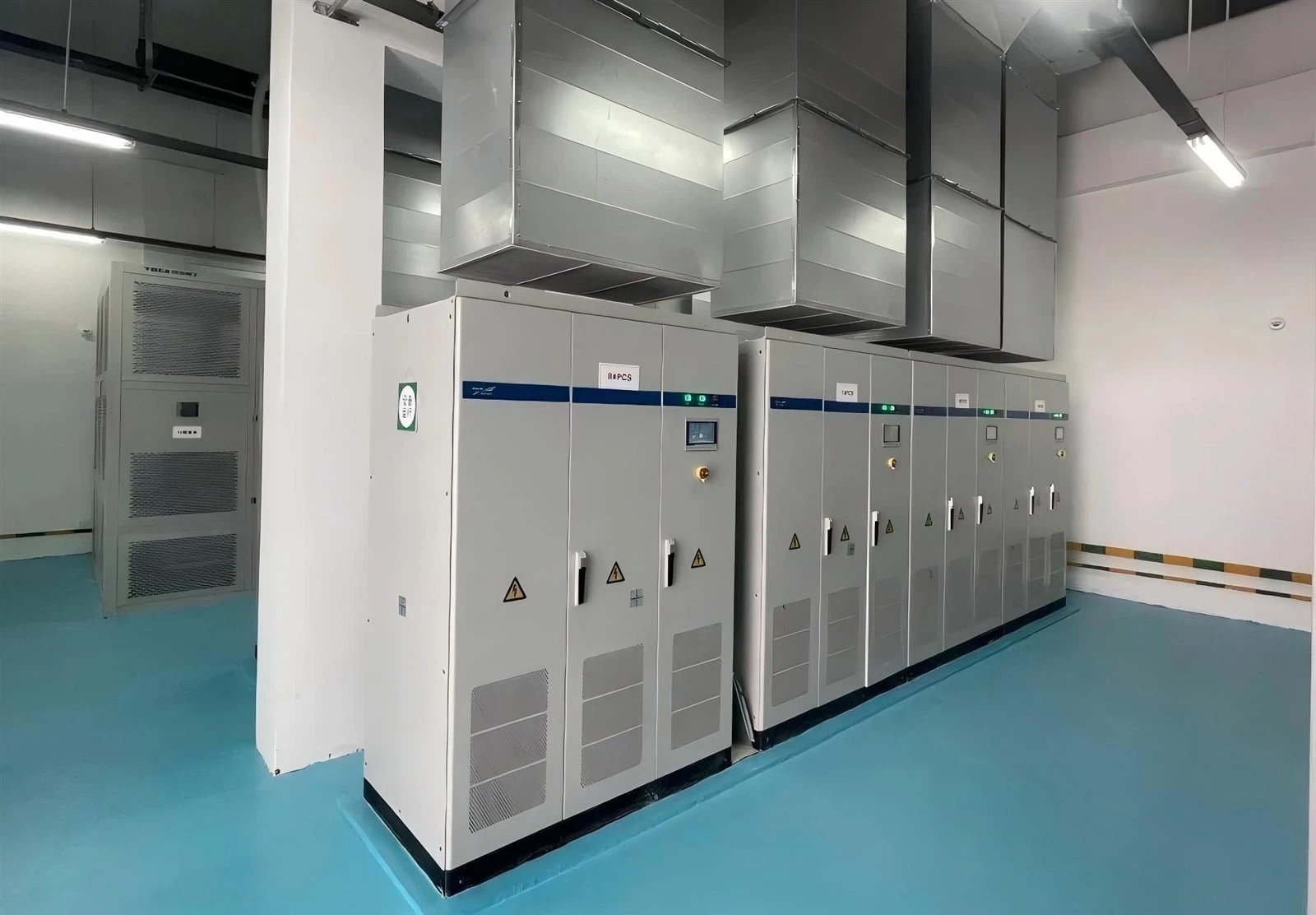
Installing a PCS is a complex process. First, select a suitable location that's dry, dust - free, and has proper ventilation to avoid overheating and component damage. Ensure there's enough space around it for easy access during maintenance. Mount the PCS securely on a stable surface using the right fixtures to prevent vibrations. When making electrical connections, use cables of appropriate gauge for the expected current load, and ensure all connections are tight and well - insulated to prevent short - circuits. Grounding the PCS is essential for safety, so a reliable grounding system must be properly installed. After physical installation, conduct comprehensive electrical integrity checks, test protection mechanisms, and calibrate key parameters like voltage, frequency, and power to match the energy storage system and grid requirements.

Installation Complexity
Electrical Connections
The electrical connections between the PCS, energy storage battery packs, grid, and load must be carried out strictly in accordance with electrical standards. It is essential to ensure that the specifications of the connecting cables are appropriate to handle the required current and that connection points are secure to prevent overheating, arcing, and other safety hazards. For example, when connecting high-current DC circuits, specialized terminal blocks and tools are necessary to ensure reliable connections. The requirements and complexity of electrical connections vary with different voltage levels and power ratings of the PCS. High-voltage and high-power PCS installations are generally more complex and require higher levels of professional skill and safety measures.
Space Layout and Environmental Requirements
The PCS must be installed in a suitable space that meets specific environmental conditions, such as ventilation, heat dissipation, moisture protection, and dust prevention. Typically, the installation site should have good ventilation to ensure effective heat dissipation during operation, preventing performance degradation or equipment damage due to high temperatures. The PCS should also be kept away from damp, dusty, or corrosive environments to prevent damage to electrical components. Additionally, the installation location should be easily accessible for operation and maintenance, and the spacing between the PCS and other equipment should comply with safety regulations.
Grounding and Safety Measures
The grounding system of the PCS is crucial for the safety of personnel and equipment. A reliable grounding device must be installed to connect the metal enclosure of the PCS and the neutral points of electrical equipment to the grounding body, with the grounding resistance meeting relevant standard requirements. Overcurrent protection, overvoltage protection, and leakage protection devices should also be installed and correctly wired and tested to ensure that power can be cut off promptly in the event of an electrical fault, protecting both equipment and personnel.
Commissioning Complexity
Parameter Configuration
The parameter configuration of the PCS involves multiple aspects, including battery parameters on the DC side (such as battery type, voltage range, and capacity) and grid parameters on the AC side (such as voltage level, frequency, and phase). Charging and discharging control parameters, such as charge/discharge current, voltage thresholds, and power limits, also need to be set. These parameters must be precisely adjusted based on the actual conditions and application requirements of the energy storage system to ensure that the PCS can match well with the batteries and the grid, achieving safe and efficient charging and discharging operations. Improper parameter settings may lead to overcharging or over-discharging of the batteries, or failure of the PCS to synchronize properly with the grid.
Functional Testing
Comprehensive testing of the PCS's functions is required, including charging, discharging, grid connection, and protection functions. When testing the charging function, it is necessary to check whether the PCS can charge the batteries according to the predefined charging strategy and whether the charging current and voltage remain stable within the set range. During the discharge function test, the PCS's output AC power should be verified to meet the requirements of the load or grid, with accurate frequency, phase, and voltage amplitude. For the grid connection function, the PCS's ability to quickly and stably synchronize with the grid under different grid conditions and to take appropriate protective measures during grid faults (such as low-voltage ride-through tests) must be tested.
Communication and Coordination Commissioning
If the energy storage system includes multiple devices, such as the Battery Management System (BMS) and Energy Management System (EMS), the PCS must be able to communicate and coordinate with these devices. It is essential to ensure accurate transmission of battery status information between the PCS and BMS to achieve rational charging and discharging control of the batteries. Effective data interaction between the PCS and EMS is also necessary, allowing the PCS to adjust its operating state based on the overall energy needs and dispatch instructions of the system. Compatibility of communication protocols, accuracy, and timeliness of data transmission must be carefully checked and optimized during the commissioning process.
Potential Issues and Solutions During PCS Installation
During the installation of a Power Conversion System (PCS), various issues related to electrical, mechanical, and environmental factors may arise. Below are some common problems and their solutions:
Electrical Connection Issues
Overheating at Connection Points
Symptoms: After installation, the connection points between the PCS, battery pack, grid, or load are found to be excessively hot during operation.
Causes: Loose terminal connections leading to high contact resistance, or insufficient wire gauge that cannot handle the required current.
Solutions:
Retighten the terminal connections to ensure they are secure.
Select appropriate wire gauge based on the current load, and replace the wires if necessary.
Short Circuits or Ground Faults
Symptoms: During power-on testing after installation, short-circuit protection or ground fault alarms are triggered.
Causes: Damaged insulation during wiring, leading to short circuits between wires or between wires and the ground; or improper installation of the grounding system with non-compliant ground resistance.
Solutions:
Use an insulation resistance tester to check the insulation of the wires, identify and repair damaged sections, or replace the wires.
Reinspect the grounding system to ensure the depth and spacing of the grounding electrodes meet requirements, and that the ground resistance is within acceptable limits. Additional grounding electrodes or soil improvement around the grounding body may be necessary.
Mechanical Installation Issues
Insufficient Installation Space
Symptoms: The PCS equipment is too large for the available installation space, making it difficult to install or maintain.
Causes: Inadequate consideration of the PCS dimensions during the design phase, or changes in the layout during on-site construction.
Solutions:
Reassess the available space and adjust the positions of other equipment to accommodate the PCS.
If space is insufficient, consider using a smaller PCS or redesigning the layout of the energy storage system.
Loose Equipment Fixation
Symptoms: The PCS experiences shaking or abnormal vibrations during operation.
Causes: Poorly designed installation brackets or bases that cannot provide adequate support; or loose mounting bolts.
Solutions:
Reinforce or redesign the installation brackets or bases to ensure they can support the weight and operational stress of the PCS.
Use a torque wrench to tighten the mounting bolts to the specified torque values, ensuring secure fixation.
Environmental Issues
Poor Ventilation and Heat Dissipation
Symptoms: After running for a period, the PCS temperature exceeds the normal operating range, leading to decreased performance or equipment failure.
Causes: Insufficient ventilation in the installation area, or obstacles blocking the heat dissipation channels around the PCS.
Solutions:
Improve ventilation conditions by adding fans or ventilation openings.
Ensure there are no obstructions around the PCS, maintaining clear heat dissipation channels.
Humidity and Dust Issues
Symptoms: Installing the PCS in a humid or dusty environment can lead to moisture-related short circuits or dust accumulation that affects heat dissipation and insulation.
Causes: The installation environment does not meet the requirements of the PCS, and no effective moisture-proof or dust-proof measures are in place.
Solutions:
Install dehumidifiers to control humidity levels within acceptable limits.
Seal the installation area to minimize dust ingress.
Regularly clean the PCS to remove accumulated dust from both internal and external surfaces.

1.What maintenance does PCS require?
Regularly check the connection of PCS components to ensure they are firm and free from oxidation and looseness. Inspect the cooling system to ensure its normal operation and clean the dust on the components. It is also necessary to monitor the operating parameters of PCS and conduct performance tests and parameter calibrations regularly.
2.How does PCS interact with the energy storage management system?
PCS exchanges data with the energy storage management system, receiving commands such as charge and discharge instructions, power control and state monitoring. The energy storage management system adjusts the operation mode and parameters of PCS in real time according to the overall energy storage system status and grid demand to achieve optimal operation.
3.What is the lifespan of PCS?
The lifespan of PCS is generally about 10 to 15 years, depending on factors such as the quality of components, operating conditions and maintenance. Under good operating conditions and with regular maintenance, it can often reach or even exceed the expected lifespan.
4.What safety protection functions does PCS have?
PCS is equipped with over-voltage, under-voltage, over-current, over-temperature and short-circuit protection functions. These protection functions can quickly cut off the circuit or take other protection measures when a fault occurs to protect the safety of the equipment and the entire energy storage system.
5.How does PCS affect power quality?
PCS can control the output current and voltage waveforms to reduce harmonics and improve power factor, thus improving power quality. However, if the PCS is not properly configured or malfunctions, it may also introduce harmonics and other power quality problems.