



There are various installation methods for photovoltaic arrays and components, and the specific selection depends on the roof type, geographical location, environmental conditions, and specific needs of the project.

1. Lay photovoltaic modules on the original tile surface of the sloping roof
For sloping roofs (such as flat tiles or corrugated tiles), photovoltaic modules are usually arranged along the roof and fixed using specialized fixtures. This installation method can maintain the original roof structure unchanged while ensuring the harmony and unity between the photovoltaic system and the building appearance. For example, in a villa project, in order to meet the owner's requirements for appearance, black tiles were chosen to install the roof photovoltaic system, and cement flat tiles were used for edge closure around the perimeter. In addition, considering waterproofing issues, special attention should be paid to the sealing treatment between the components and the roof.
2. Color steel sloping roof with tiled roof
Color steel tile roofs are commonly found in industrial plants and other places, characterized by a small slope (5% to 10%). In this case, photovoltaic modules can be directly laid flat on the roof, which not only improves space utilization but also simplifies the installation process.
It should be noted that if the roof's load-bearing capacity allows, adjusting the tilt angle appropriately can increase power generation efficiency. During installation, it should be ensured that there is sufficient ventilation and heat dissipation gap between components, and an appropriate maintenance channel width (about 500-600mm) should be set for future maintenance.
3. Sloping roof photovoltaic tile roof
Photovoltaic tiles are a special form of photovoltaic module that integrates the functions of traditional building materials, capable of generating electricity and serving as a part of the roof. This type of product is suitable for new residential construction or renovation projects, especially those with high requirements for aesthetics. During installation, it is necessary to follow the manufacturer's instructions to ensure the correct installation angle and spacing, in order to maximize energy output.
4. Agricultural light complementarity and fish light complementarity
Agricultural photovoltaic complementarity refers to the simultaneous development of agricultural production and photovoltaic power generation on the same land; Fish light complementarity refers to building photovoltaic power plants above water bodies and raising fish below. These two models aim to improve the effective utilization of land resources. For example, in the agricultural photovoltaic complementary project, by designing appropriate support heights, crops can obtain sufficient light; In the fish light complementary project, the impact of factors such as water reflectivity on photovoltaic performance needs to be considered. In these special application scenarios, photovoltaic arrays often adopt customized bracket solutions to ensure that they do not affect the activities below while optimizing light reception.
5. Track the structure of the bracket
The tracking bracket allows the photovoltaic array to move with the change of the sun's position, so that it can receive vertically incident sunlight throughout the entire sunshine period, which can increase power generation by about 20% -30% compared to fixed installation. A single axis tracker can only rotate in one direction and mainly tracks changes in the height of the sun; Dual axis trackers are more flexible and can simultaneously track changes in altitude and orientation. However, due to the addition of mechanical components, the cost and maintenance difficulty of the tracking system will also increase accordingly.
6. Flat roof support structure
The design of photovoltaic systems on flat roofs is relatively flexible, and different support forms can be selected according to the actual situation. Generally speaking, the most suitable tilt angle will be selected based on the local climate characteristics to achieve the maximum annual power generation. At the same time, do a good job in waterproofing the roof, such as using waterproof rolls, cement mortar protective layers and other materials to strengthen protective measures. For large-scale commercial or industrial roofs, consider block layout to reduce losses caused by shadow occlusion.
7. Ground support structure
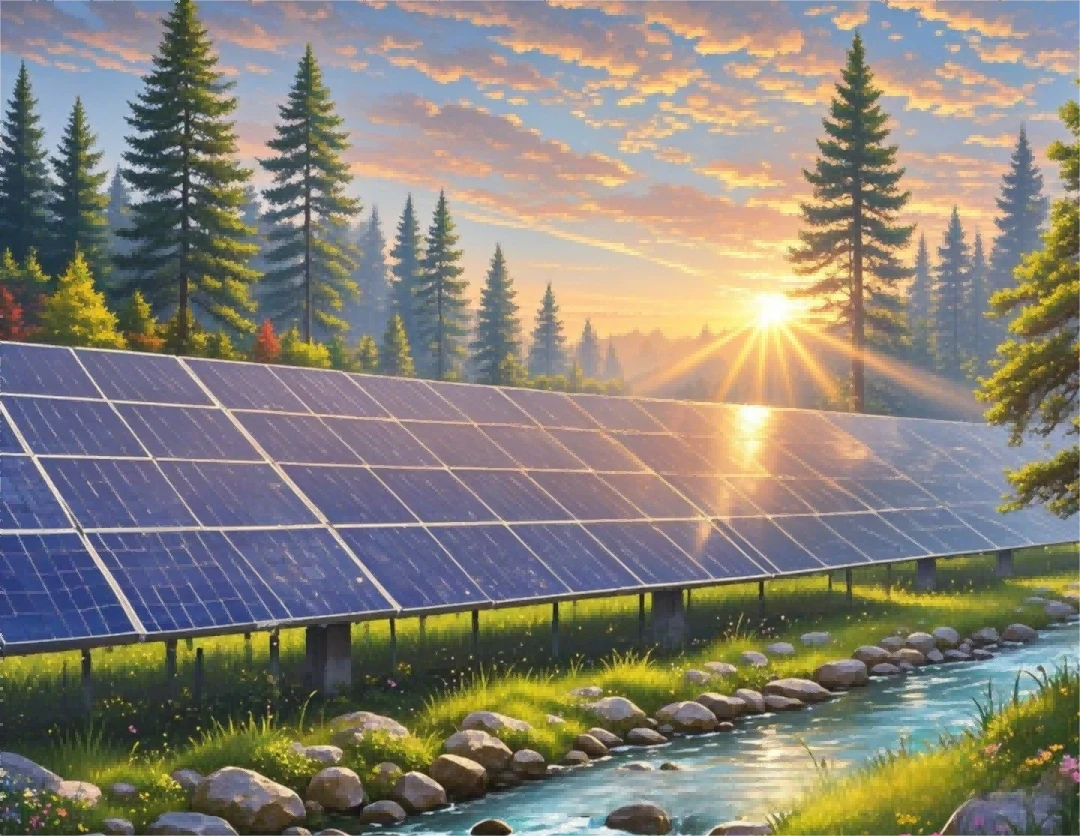
Ground mounted photovoltaic arrays are suitable for places with large open spaces, such as farms, wastelands, or near industrial parks. The advantage of this installation method is that it is not limited by buildings and can flexibly adjust the direction and inclination of the array according to the specific situation of the site. In addition, the design of ground supports is also more diverse, including but not limited to fixed, single axis tracking, and dual axis tracking. It is important to consider factors such as soil bearing capacity and wind load to ensure the stability and safety of the entire system.
8. Transparent roof
The translucent roof combines the functions of lighting and power generation, making it very suitable for public facilities with high traffic such as greenhouses and station waiting halls. The photovoltaic modules used here are usually semi transparent or fully transparent thin film types, which generate electricity without obstructing the line of sight. During installation, it is necessary to accurately calculate the balance point between light transmittance and power generation efficiency, which can achieve ideal power generation results without affecting indoor lighting.
9. Other building photovoltaic support structures
In addition to the methods mentioned above, there are many innovative installation solutions applied to different types of building surfaces, such as curtain walls, balcony railings, and even bridge sides. Each plan requires personalized adjustments based on specific building features and environmental factors to achieve the best visual effects and technical performance.
Choosing the right photovoltaic array and module installation method for oneself is a complex process, including but not limited to geographical location, roof type, building structure, available space, budget constraints, and personal preferences.
1. Geographic location and climatic conditions
Understanding the solar radiation intensity, sunshine duration, and seasonal variations in the location is crucial. These pieces of information determine the potential power generation capacity of the photovoltaic system. For example, in high latitude regions, the solar altitude angle is lower in winter, requiring a higher tilt angle to optimize power generation efficiency; In areas with high wind speeds, special attention should be paid to the design of the support structure to ensure that it has sufficient wind resistance performance.
2. Roof or ground conditions
Choose different installation methods based on the installation location. For sloping roofs, if the original tile surface is in good condition and has sufficient load-bearing capacity, photovoltaic modules can be directly laid on top; If it is a color steel tile roof, consider installing it flat to simplify the construction process and improve space utilization. For flat roofs, there is more flexibility to design the most suitable tilt angle, while also paying attention to waterproofing treatment. In addition, if there is a large area of open space available, ground installation is a better choice because it is not affected by the building structure and allows for more flexible adjustment of the direction and inclination of the array.
3. Building structure and safety considerations
It is necessary to evaluate whether existing buildings can withstand additional weight loads, especially when planning to install heavy-duty tracking systems. For wooden houses, considering long-term maintenance issues, it is recommended to avoid installing photovoltaic systems on them. For buildings with concrete or steel structures, it is usually better to support the installation of photovoltaic equipment. In addition, consider lightning protection and grounding measures to ensure the safety of the entire system.
4. Available space and aesthetics
Not only should physical feasibility be considered, but also visual effects and personal preferences. For example, when installing photovoltaic systems in residential areas, many people hope that they can integrate with the surrounding environment, so they may prioritize using components that are similar in color to the roof or adopt BIPV (Building Integrated Photovoltaics) technology. For commercial purposes, in addition to power generation benefits, we also hope to enhance brand image through the installation of photovoltaic systems.
5. Budget and cost-benefit analysis
Cost is an undeniable factor. Different types of installation methods have different initial investment costs and long-term operation and maintenance expenses. For example, although tracking brackets significantly increases power generation, it also increases initial investment and subsequent maintenance costs. In contrast, although fixed installation has slightly lower power generation efficiency, it has lower construction costs and less maintenance requirements. Therefore, a balance should be made based on the expected return on investment.
6. Technical support and after-sales service
Choosing a reliable supplier and service provider is also very important. They can not only provide professional consulting and technical support during the project planning phase, but also ensure necessary maintenance services for clients in the coming years. Ensure that the selected products have good quality certification, reasonable warranty period, and a comprehensive after-sales service system.
