






Selecting the right energy storage container is critical for the long-term efficiency, safety, and return on investment of any battery energy storage project. Whether for grid-scale energy regulation, solar farm integration, or commercial and industrial operations, a properly matched BESS container minimizes operational risks, reduces maintenance costs, and maximizes system lifespan. Many project developers face inefficient operation or budget waste due to improper container selection.
Select the Right Container Size Based on Project Scale
Container dimension is the foundational factor for BESS container selection, and the market primarily features 20ft and 40ft energy storage containers for standardized projects. A 20ft energy storage container is ideal for small to medium-scale applications, including commercial backup power, distributed solar systems, and on-site peak shaving for industrial facilities. With a typical capacity ranging from 500kWh to 2MWh, it offers flexible deployment and cost-effective installation for limited-space sites.
For large utility-scale and grid-level energy storage projects, the 40ft energy storage container is the optimal choice. It supports higher capacity configurations from 2MWh up to 5MWh, meeting the demands of large solar and wind farms, grid frequency regulation, and centralized energy peak shaving. For special terrain or customized project needs, compact 10ft containers and extended customized models are also available to fit unique installation conditions.

Choose Between Air-Cooled and Liquid-Cooled BESS Containers
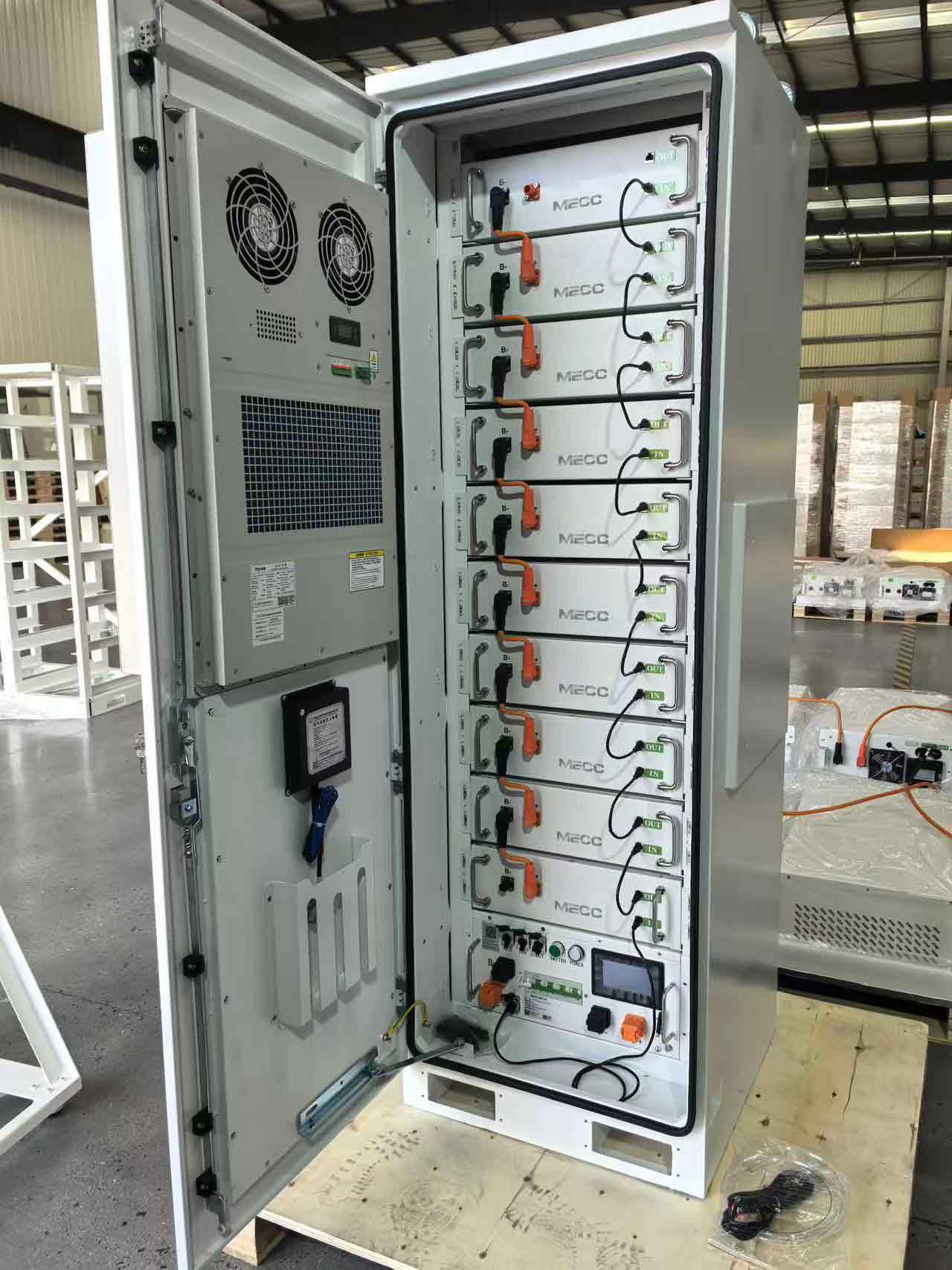
Thermal management systems directly determine the operational stability and lifespan of energy storage containers, making the choice between air-cooled and liquid-cooled BESS containers a core selection step. Air-cooled energy storage containers adopt fan ventilation heat dissipation, featuring simple structure, low initial cost, and easy maintenance. They are perfectly suited for projects with short daily operating hours, medium load rates, and temperate climate environments.
Liquid-cooled energy storage containers utilize circulating liquid for uniform heat dissipation, delivering outstanding temperature control accuracy. This design effectively reduces battery cell attenuation, extends cycle life, and adapts to high-temperature environments and long-duration continuous operation. It is the mainstream solution for modern large grid-scale energy storage projects and high-load industrial energy storage systems.
Match Capacity, Battery Chemistry and Safety Configuration
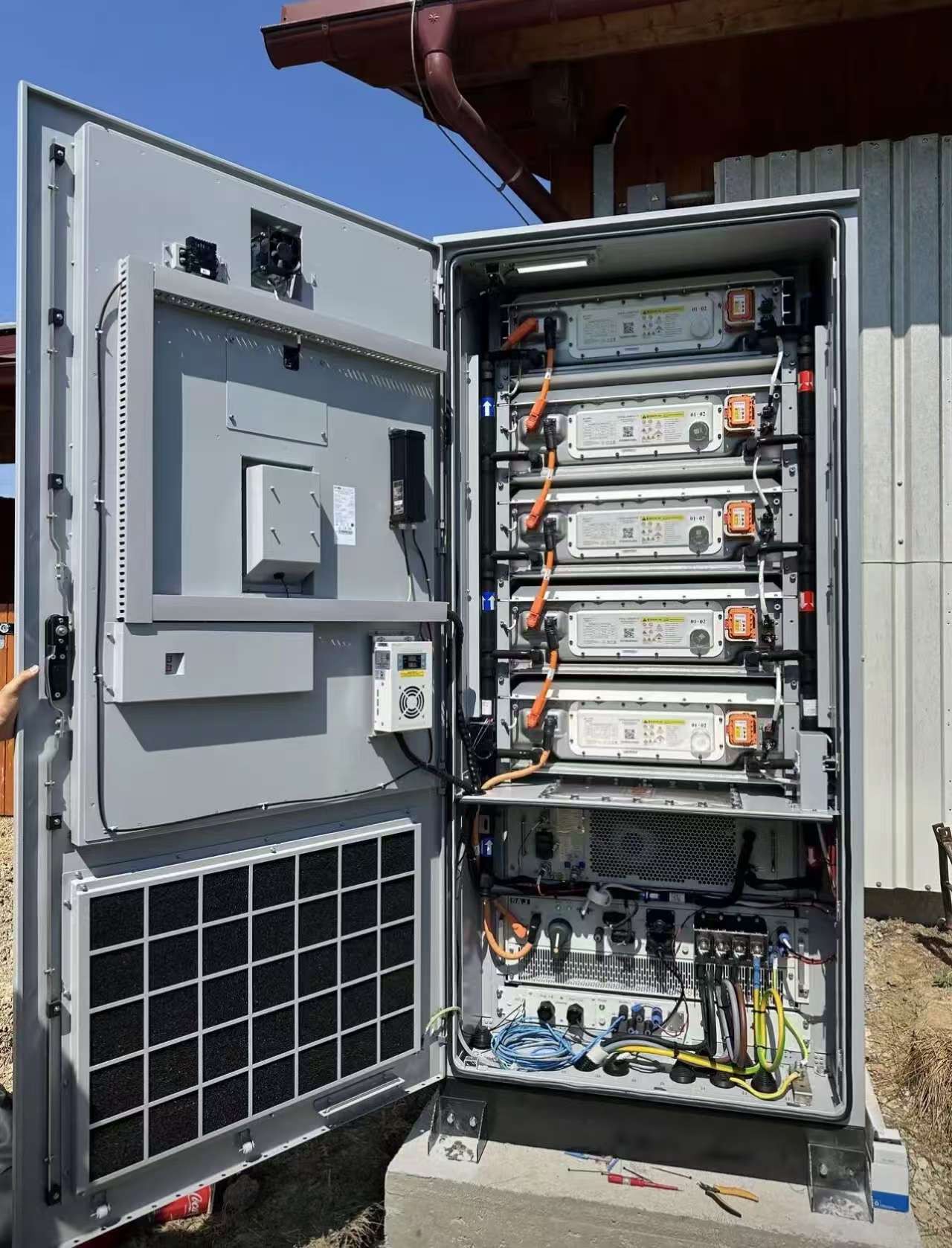
Reasonable capacity matching avoids insufficient power supply or redundant investment. Users need to configure container capacity according to project purposes, such as peak-valley arbitrage, emergency backup power, or grid stabilization. Currently, LiFePO4 batteries are the dominant battery chemistry for energy storage containers, offering high safety, long cycle life, and excellent stability for commercial and utility projects.
Safety configuration is non-negotiable for BESS container selection. Reliable energy storage containers must be equipped with complete BMS and EMS intelligent monitoring systems, real-time gas detection devices, and automatic fire suppression systems. Weatherproof, dustproof, and corrosion-resistant designs are also essential to ensure stable outdoor operation in harsh climates.
fAQ
1. What size energy storage container is best for C&I projects?
20ft air-cooled energy storage containers are the most cost-effective choice for most commercial and industrial energy storage and backup power projects.
2. Is liquid cooling necessary for small BESS systems?
Small-scale projects with low load and short operation hours can adopt air-cooled containers to save costs, while high-frequency operation projects require liquid cooling.
3. What core safety features should a standard BESS container have?
Complete fire suppression systems, BMS real-time monitoring, gas detection, and IP54+ weatherproof protection are essential standard configurations.
Conclusion
Choosing the right energy storage container requires comprehensive consideration of project scale, cooling mode, capacity demand, environmental adaptability, and safety configuration. By matching 20ft or 40ft container sizes and selecting air or liquid cooling systems based on actual scenarios, project developers can optimize system performance, reduce operational costs, and achieve maximum long-term project returns.