

The Rise of Energy Autonomy: Why Hybrid Solar-Storage-Diesel Systems Are Reshaping Industry
The global push for energy independence is no longer a distant ideal; it's a present-day necessity. For industrial and commercial operators, the pressure is twofold: volatile fuel costs continue to erode margins, while grid instability threatens operational continuity. For businesses in remote locations, on islands, or those facing punitive utility demand charges, reliable power isn't just an advantage-it's a prerequisite for survival.
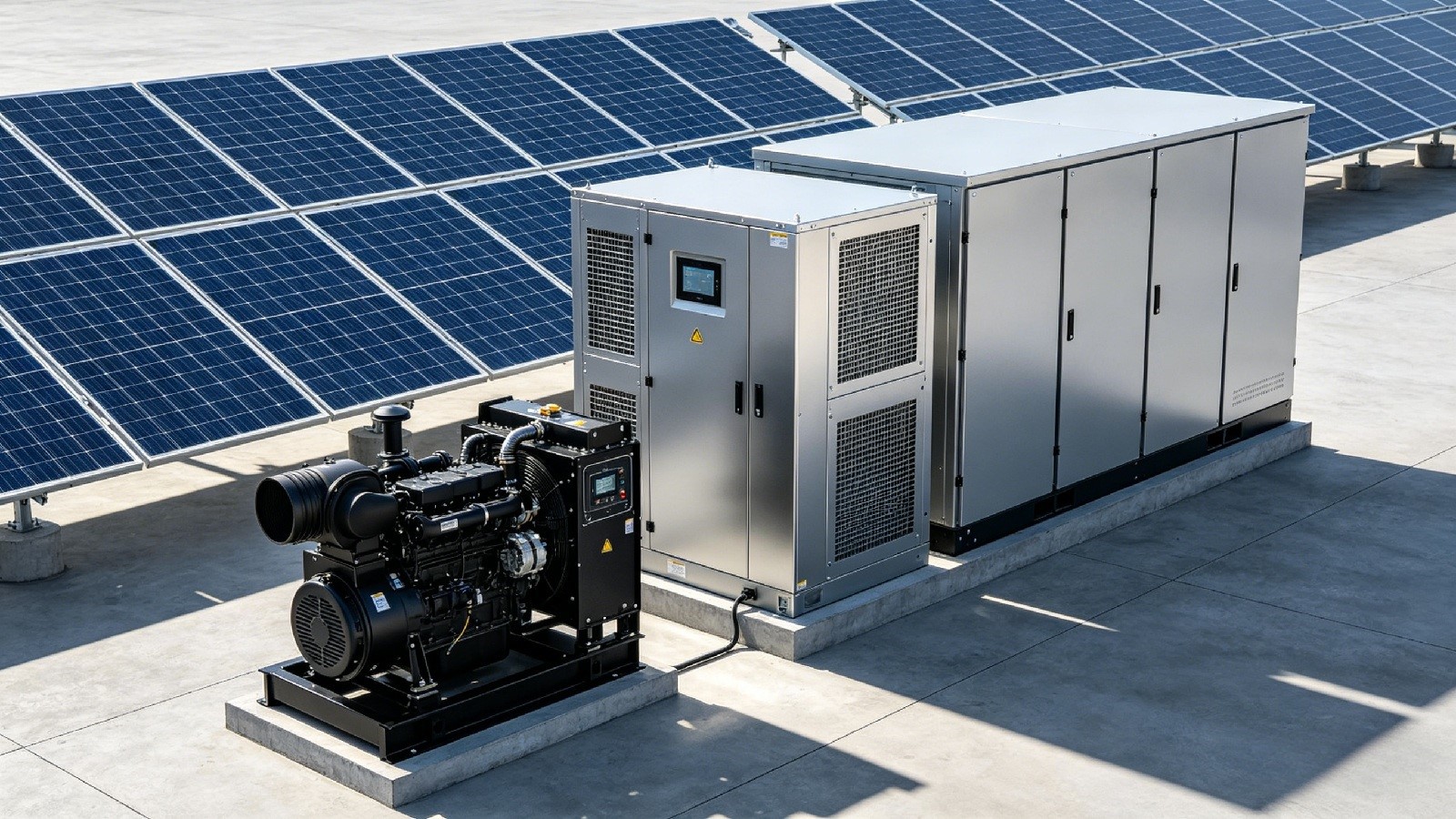
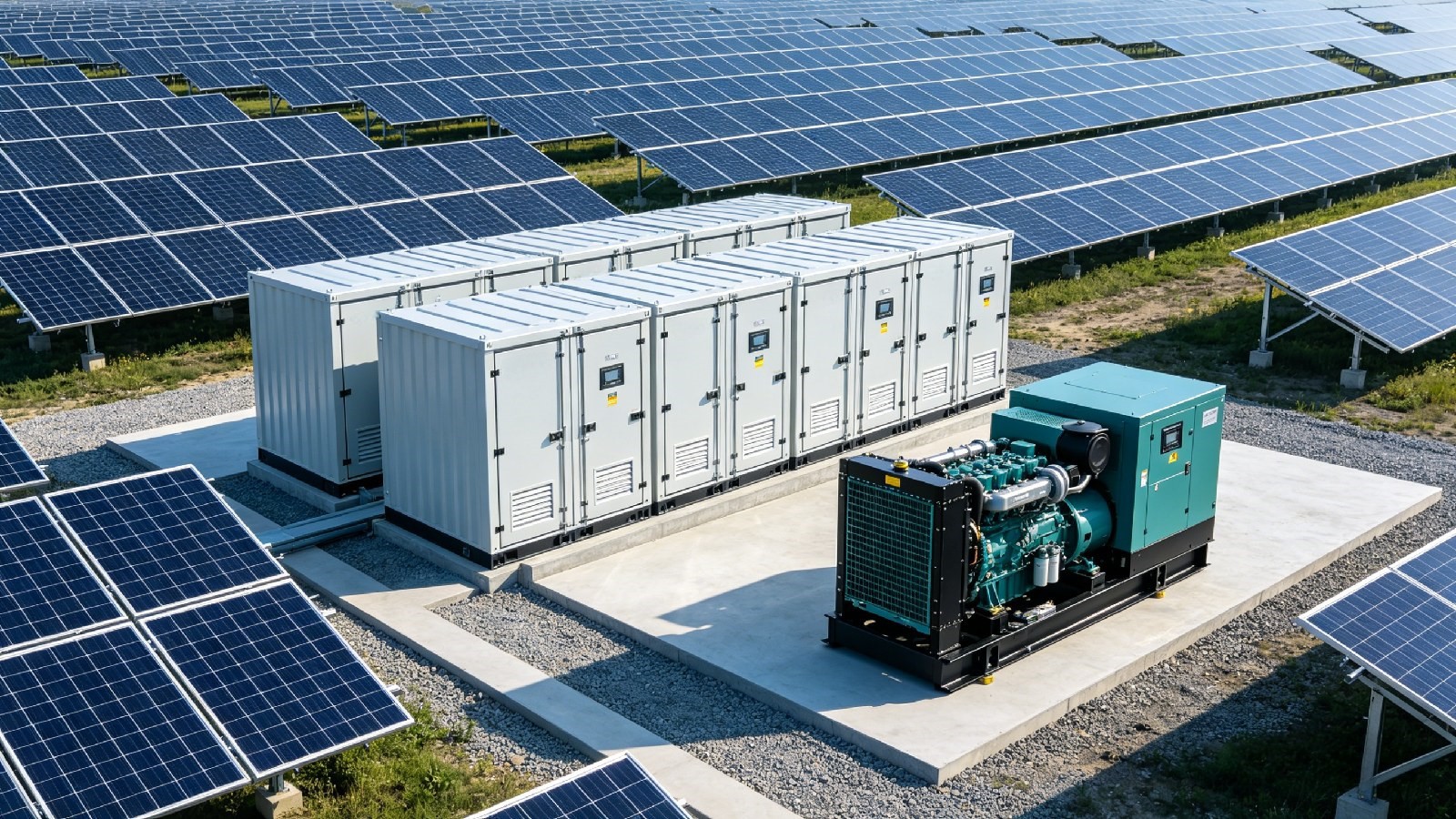
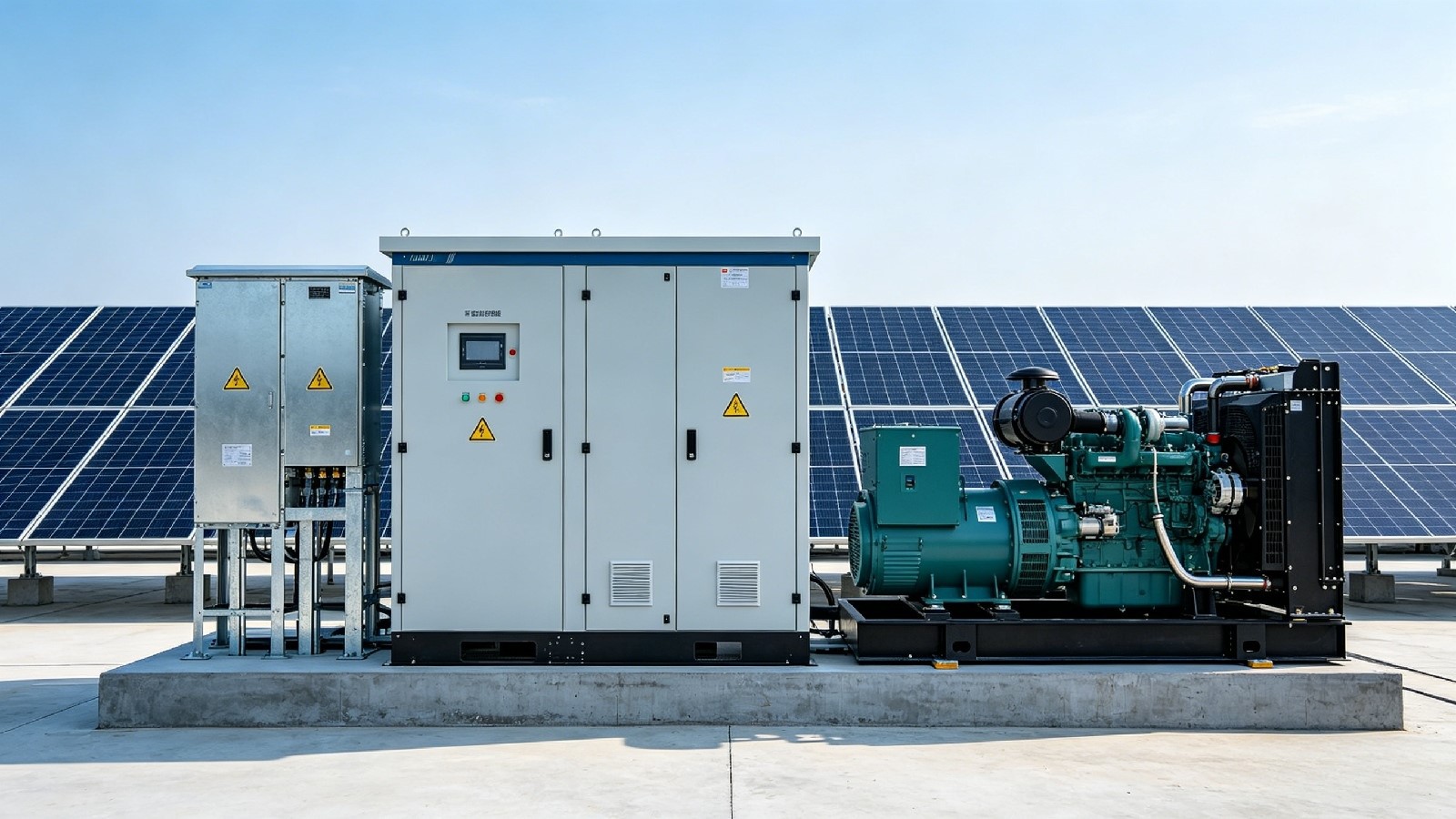
Enter the hybrid solar-storage-diesel system (often referred to as PV-BESS-Genset). By integrating renewable generation with intelligent storage and traditional backup, these systems create resilient microgrids capable of delivering 24/7 power. This article breaks down the architecture, operational logic, and financial viability of these systems, with a close look at high-efficiency solutions like the MECC 125kW/241kWh cabinet.
1. What is a Solar-Storage-Diesel Hybrid System?
At its core, a hybrid system unites three distinct energy sources into a single, orchestrated network. The goal is to balance the intermittency of solar with the stability of diesel and the responsiveness of batteries.
Solar PV: The primary workhorse. During daylight hours, arrays handle the base load and divert excess energy to charge the batteries.
Battery Energy Storage System (BESS): The system's nerve center. It acts as a buffer, stabilizing voltage and frequency while providing instantaneous backup.
Diesel Generator (Genset): The ultimate safety net. It remains on standby, ready to kick in during prolonged cloud cover or peak demand to ensure zero downtime.
2. Core Components: The Technology Behind the Power
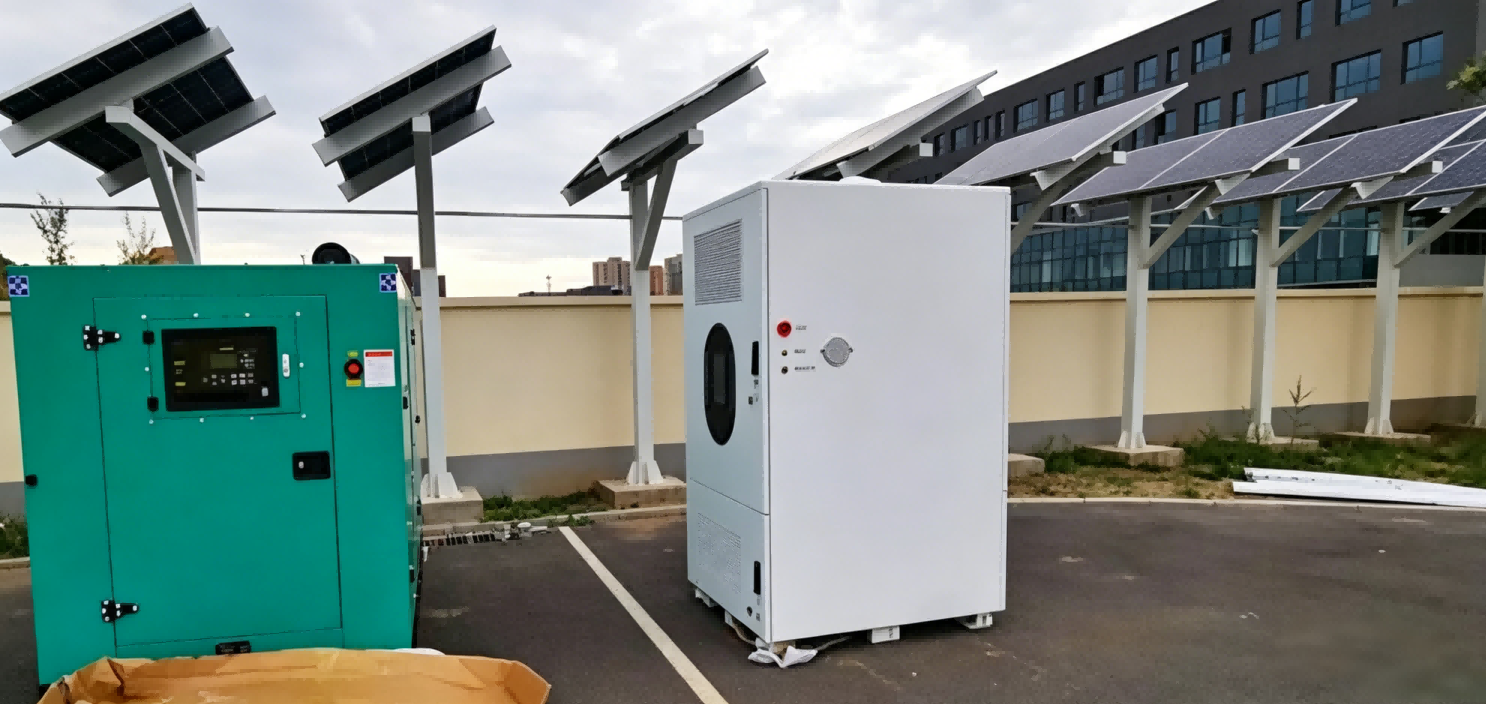
Building a robust hybrid setup requires more than just bolting parts together; it demands precision engineering. The MECC 125kW/241kWh unit serves as a prime example of modern integration.
2.1 High-Performance Storage (125kW/241kWh)
Designed specifically for C&I (Commercial & Industrial) scenarios, this class of BESS focuses on longevity and ease of deployment:
Chemistry: Utilizing LiFePO₄ (LFP) cells, the system offers over 6,000 cycles at 90% Depth of Discharge (DoD), translating to a service life exceeding 15 years.
Thermal Management: Intelligent air-cooling systems maintain optimal cell temperatures, preventing thermal runaway and preserving capacity in harsh environments.
Integration: By combining the Power Conversion System (PCS) and Energy Management System (EMS) into a single cabinet, installation complexity is drastically reduced.
2.2 Solar Array Sizing
Unlike grid-tied systems, hybrid designs often oversize the PV array (typically 1.5x the rated power of the storage) to ensure batteries reach full charge even under suboptimal weather conditions.
2.3 The Brain: Energy Management System (EMS)
The EMS is the software layer that dictates the flow of electrons. It constantly monitors load demand, battery State of Charge (SoC), and even weather forecasts to decide whether to draw from the panels, discharge the batteries, or fire up the generator.
3. Operational Modes: Seamless Transitions
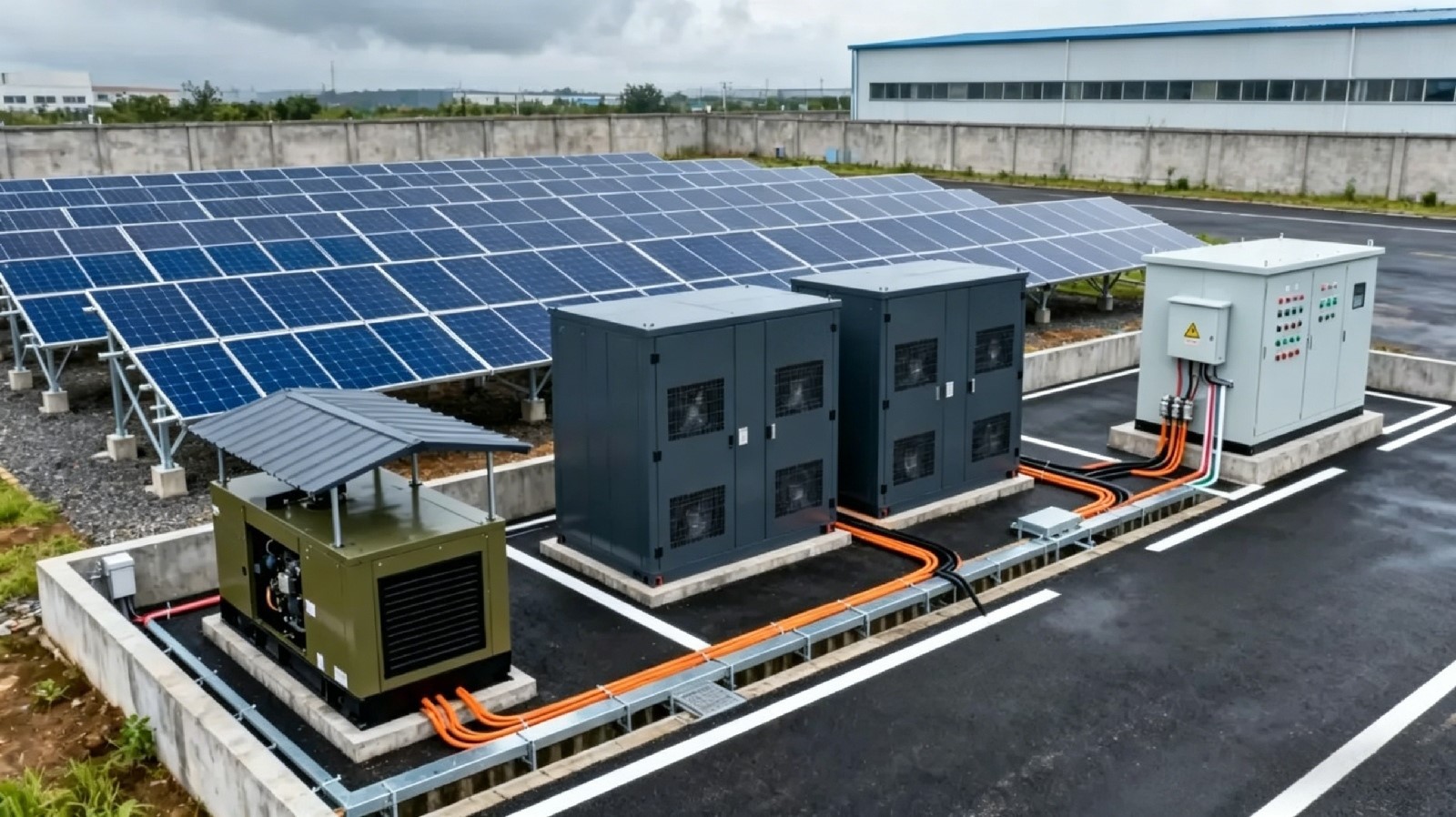
The real value of a hybrid system lies in its ability to switch between energy sources without interruption.
Mode A: Solar Priority (Daytime)
When the sun is up, PV handles the load directly. Surplus energy fills the 241kWh battery bank. The generator stays offline, resulting in zero fuel consumption.
Mode B: Battery Dispatch (Night/Clouds)
As solar output drops, the BESS takes over instantly. With transfer times below 10 milliseconds, critical loads like CNC machines and servers remain unaffected.
Mode C: Genset Assist (Peak/Reserve)
If the battery SoC dips below a set threshold (e.g., 20%), the EMS automatically starts the generator. Crucially, it runs the genset at its sweet spot-70% to 80% load-to maximize fuel efficiency while simultaneously recharging the batteries.
4. The Business Case: Beyond Greenwashing
Investing in a hybrid microgrid is a strategic financial move. The benefits extend far beyond corporate sustainability goals.
4.1 Fuel Cost Reduction
Traditional off-grid sites often run generators inefficiently at low loads. By adding storage, operators can reduce generator runtime by 12–16 hours per day, slashing fuel consumption by 60% to 80%.
4.2 Demand Charge Management (Grid-Tied)
For facilities connected to the grid, the BESS performs "peak shaving." By discharging during expensive peak hours, businesses keep their grid draw below the threshold, significantly lowering monthly demand charges.
4.3 Unmatched Reliability
For data centers, hospitals, and precision manufacturing, a single second of downtime can cost millions. The triple-redundancy of solar, storage, and diesel provides near-immunity to power failures.
5. Where They Shine: Key Applications
Remote Mining: Eliminates the logistical nightmare and cost of frequent diesel deliveries to isolated sites.
Island Resorts: Provides silent, clean power at night, preserving the guest experience while reducing reliance on noisy generators.
EV Charging Hubs: Overcomes grid capacity limitations by using stored energy to support high-power fast chargers without costly utility upgrades.
Agricultural Cold Storage: Ensures 24/7 temperature control, protecting perishable goods against both grid outages and sunlight variability.
6. Economic Outlook: The ROI Reality
While the upfront capital expenditure for a 125kW/241kWh system may seem significant, the Levelized Cost of Energy (LCOE) is substantially lower than running a pure diesel setup. Given current battery price trends and rising fuel costs, most industrial operators see a full return on investment within 3 to 5 years.
7. The Road Ahead: AI and Virtual Power Plants
The next evolution of these systems involves predictive analytics. Future EMS platforms will leverage machine learning and satellite weather data to anticipate cloud cover, further minimizing generator runtime. Furthermore, aggregated hybrid systems are poised to participate in Virtual Power Plants (VPPs), allowing businesses to sell ancillary services back to the grid for additional revenue.
FAQ
Can the diesel generator charge the batteries?
Yes. The EMS can be programmed to use the generator to top up the batteries during low-sun periods, ensuring you have enough reserve for the next peak demand cycle.
How do I size the right system for my factory?
Start with your peak power demand (kW) and daily consumption (kWh). A 125kW/241kWh unit typically serves small-to-midsize factories well for both peak shaving and backup power.
Summary
Hybrid solar-storage-diesel systems represent the pinnacle of modern energy engineering. By combining the clean economics of PV, the intelligent control of systems like the MECC 125kW/241kWh, and the brute reliability of diesel, businesses are no longer just buying power-they are buying autonomy. In an era of energy decentralization, the hybrid microgrid is quickly becoming the standard for industrial resilience.