



Abstract
Large scale photovoltaic systems are an important component of distributed renewable energy in many local power grids. Managing these microgrids, especially how they interact with the main grid, is not an easy task. This requires precise control over those renewable resources. This article summarizes the types of DC-DC converters used in microgrids and proposes a new classification method. This article introduces the control technology of DC-DC converters in DC microgrids and discusses the advantages and disadvantages of these control methods.
With the increasing proportion of distributed renewable energy in the power system, managing this electricity has become a major issue. This article introduces different methods of power management. Finally, a DC microgrid system including solar energy, wind turbines, and batteries was simulated using MATLAB/Simulink software, and its performance was analyzed.
Simply put, this article is about how to better control and manage microgrids that use renewable energy, and also uses software to simulate such a system to see how effective it is.
1. Introduction
Microgrids can reduce transmission losses and address energy crises, including technologies such as photovoltaics and micro turbines, which require power electronic converters to connect to the grid. A renewable energy based DC microgrid consists of DC busbars, photovoltaic panels, wind turbines, power electronic converters, hybrid energy storage systems, and DC loads. It has the advantages of multiple voltage levels and high efficiency, and the DC system is attractive in terms of energy sources, control management, and load adaptation. However, DC microgrids face challenges such as constant power loads and pulse power loads, requiring advanced control methods to improve energy transmission, ensure power supply, and achieve economic operation.

Figure 1. Different classifications of microgrids.

Figure 2. General DC microgrid.

Figure 3. Typical AC microgrid.

Figure 4. Hybrid microgrid.

Figure 5. Annual percentage of papers published on DC microgrids over the past decade.
Structure and content arrangement of this article: This article will propose a new classification by comprehensively studying the topology and control methods of DC-DC converters in DC microgrids. The following content includes: discussing the description of DC microgrids in Section 2; Section 3 elaborates on the types of converter structures available in microgrids; Section 4 provides an overview of the control methods for DC-DC converters in DC microgrids; Section 5 introduces power management methods for DC microgrids; Section 6 presents hardware development in the field of DC-DC converters for microgrid applications; Section 7 presents simulation and analysis of typical DC microgrids; Section 8 presents the conclusion.
2. Characteristics related to DC microgrids
The advantages and application scenarios of DC microgrids: With the development of power electronics technology, DC microgrids have attracted attention due to their high reliability and efficiency. DC microgrids are more favored in residential applications, electric vehicle charging stations, data centers, and other fields. Meanwhile, the increasing demand for DC electrical loads has made research on power generation based on DC power sources quite attractive.
The operation mode of DC microgrid: DC microgrid has two operation modes: grid connected and independent. When connected to the grid, the microgrid is connected to the DC bus to supplement power; When operating independently, there is no need to synchronize with the main power grid. In both modes, various renewable energy sources and energy storage systems including batteries and supercapacitors are connected to the microgrid.
The role of energy storage systems in DC microgrids: batteries have high energy density, and their controllers are used to generate or absorb steady-state power; Supercapacitors have high power density, and their controllers are used to generate or absorb transient power. The two work together in microgrids to maintain power balance and stable operation.
Research on the Connection and Control of DC Microgrids: The distribution network and energy storage system are interconnected through power electronic converters using DC links. There have been relevant studies on the protection issues and solutions of DC microgrids. In addition, the article provides a brief overview of local control in DC microgrids and presents the overall architecture of DC microgrids with energy storage units.
3. Topology of DC-DC converters in DC microgrids
Classification and common topologies of DC-DC converters: DC-DC converters can be divided into non isolated and isolated types. In DC microgrids, boost, buck boost, and buck converters are widely used, each with its own unique topology (as shown in Figure 6), to meet different voltage conversion requirements. Bidirectional isolated DC-DC converters are commonly used in DC systems, among which dual active bridge (DAB) DC-DC converters are a suitable choice due to their support for bidirectional power flow and high power density (see Figure 7 for its schematic diagram), and the topology of series resonant converters (SRC) has also attracted the attention of many researchers.

Figure 6. DC-DC converter topology, (A) boost, (B) boost, (C) buck boost.

Figure 7. Schematic diagram of DAB converter.
The development and application of multi port DC-DC converters: In order to solve the problems of high cost and system loss caused by the use of converters, multi port DC-DC converters have emerged. It is commonly used to connect multiple DC networks in microgrids, such as the various topologies mentioned in the article (Figure 8), which can flexibly connect different DC loads and power sources and control DC links; There are also isolated two-stage three port converter topologies, etc. These multi port converters are suitable for integrating multiple energy sources (including energy storage) and have higher voltage ratios than buck boost converters. They have various applications in DC microgrids, such as regulating supercapacitor voltage, managing power between batteries and supercapacitors, charging batteries, implementing hybrid energy storage system integration, and balancing power flow between renewable energy sources. The converters used in DC microgrids are generally divided into two categories: isolated and non isolated (see Figure 9 for classification).

Figure 8. Schematic diagram of a multi port converter.

Figure 9. Classification of DC-DC converter topologies used in DC microgrids.
4. Control method of DC-DC converter in DC microgrid
The importance and overall classification of control methods: The control of DC microgrids is one of the main issues of concern for researchers. The overall control methods can be divided into centralized control and distributed control. Centralized control is suitable for small local microgrids with limited data collection (see Figure 10 for its control scheme), while distributed control does not require a central controller (see Figure 11).
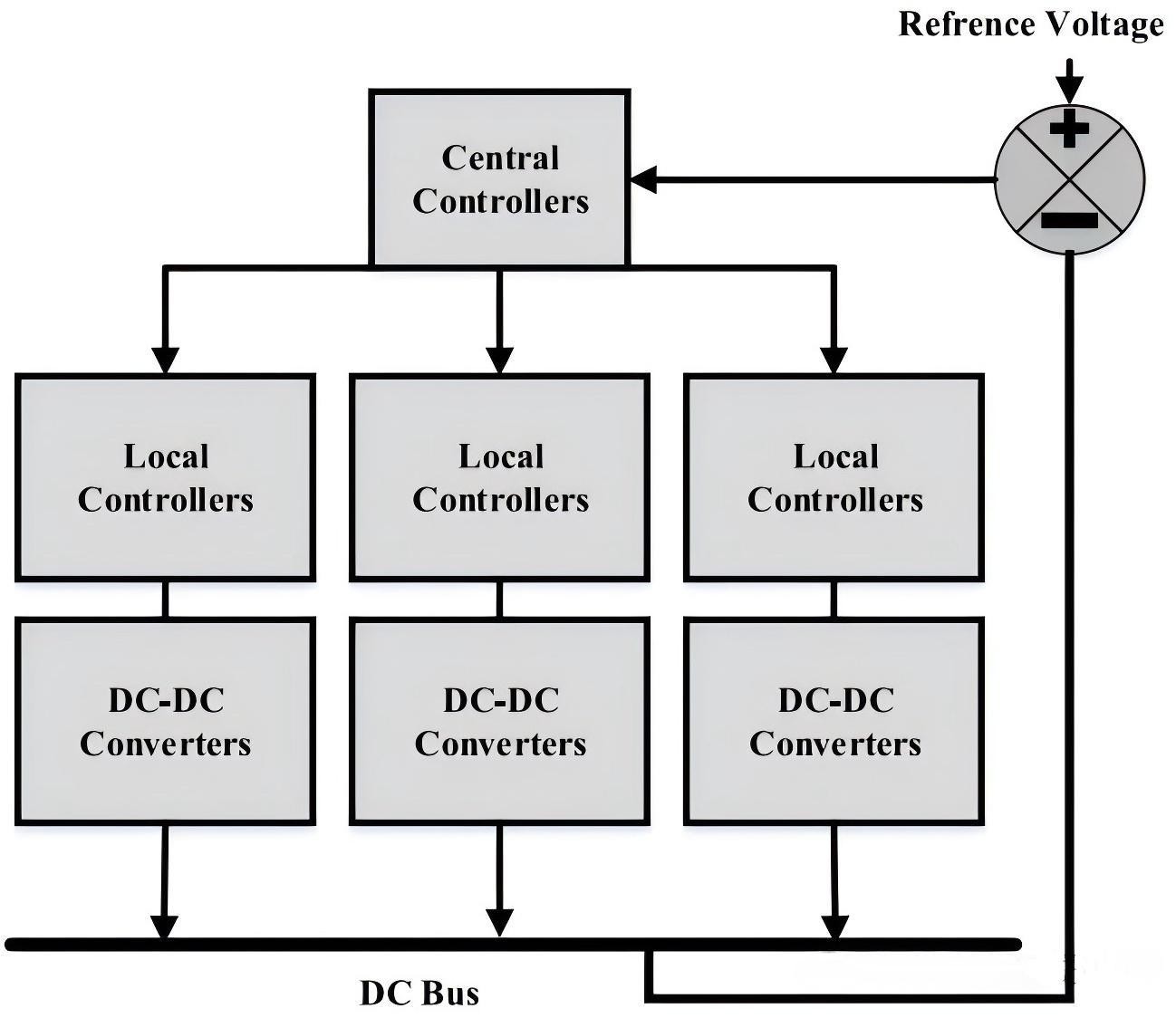
Figure 10. Block diagram of centralized control.

Figure 11. Block diagram of distributed control.
Types and characteristics of nonlinear control technology: Nonlinear control technology includes model predictive control (MPC), sliding mode control (SMC), adaptive control, and intelligent control. In recent years, many studies have focused on the performance of MPC in bidirectional converter control of battery energy storage systems (BESS) and power balancing of microgrids. In MPC, the optimal switching mode of the converter is determined by the cost function to achieve better performance (see Figure 12 for its control scheme); In SMC control, the generated control input directly acts on the power electronic converter switch, with a fast response (see Figure 13); Adaptive control is suitable for situations where the load and input source of DC-DC converters vary, and can improve the robustness of the control method (see Figure 14). In addition, a new control method for microgrid power management based on photovoltaic systems is proposed, which uses a fuzzy logic controller (FLC) to control the power of each inverter (see Figure 15).

Figure 12. Block diagram of MPC controller.

Figure 13. Block diagram of SMC controller.

Figure 14. Block diagram of adaptive control.

Figure 15. Control method of converter in DC microgrid.
5. Power management strategy for DC microgrid
The importance and challenges of power management: DC microgrids provide a suitable choice for energy supply in remote areas, therefore their energy management methods have attracted much attention. Microgrid power management faces many challenges, such as the fluctuation of photovoltaic system output power with radiation changes. These factors need to be considered when designing power management systems to ensure reliable and high-quality energy supply. In a microgrid independent of the power grid, it is also necessary to coordinate the operation of photovoltaic systems, battery energy storage systems (BESS), and other units to achieve power balance.
Example of different power management systems and algorithms: A Battery Energy Management System (BEMS) for microgrids, with photovoltaic and diesel generators as the main power sources, can reduce the working time of diesel generators, reduce photovoltaic power fluctuations, manage various types of batteries with different characteristics, and extend battery life. A power management algorithm used to balance the power of photovoltaic and BESS systems, while considering the State of Charge (SoC) constraints of the BESS system. During battery discharge, a bidirectional converter adjusts the DC bus voltage, and in some cases, the power electronic converter needs to assist the system in operating in Maximum Power Point Tracking (MPPT) mode (see Figure 17 for its system operating mode). An intelligent dynamic energy management system for microgrids, a power management method for hybrid photovoltaic/battery systems, and a power management strategy (PMS) for controlling the power flow of DC microgrids have been proposed. The article also presents various operating modes of the DC microgrid power management system (see Figure 16), including the limited power mode (LPM) and MPPT mode of the photovoltaic system, which are determined by the battery SoC (as illustrated in the flowchart in Figure 17).

Figure 16. Flow chart of power management strategy.
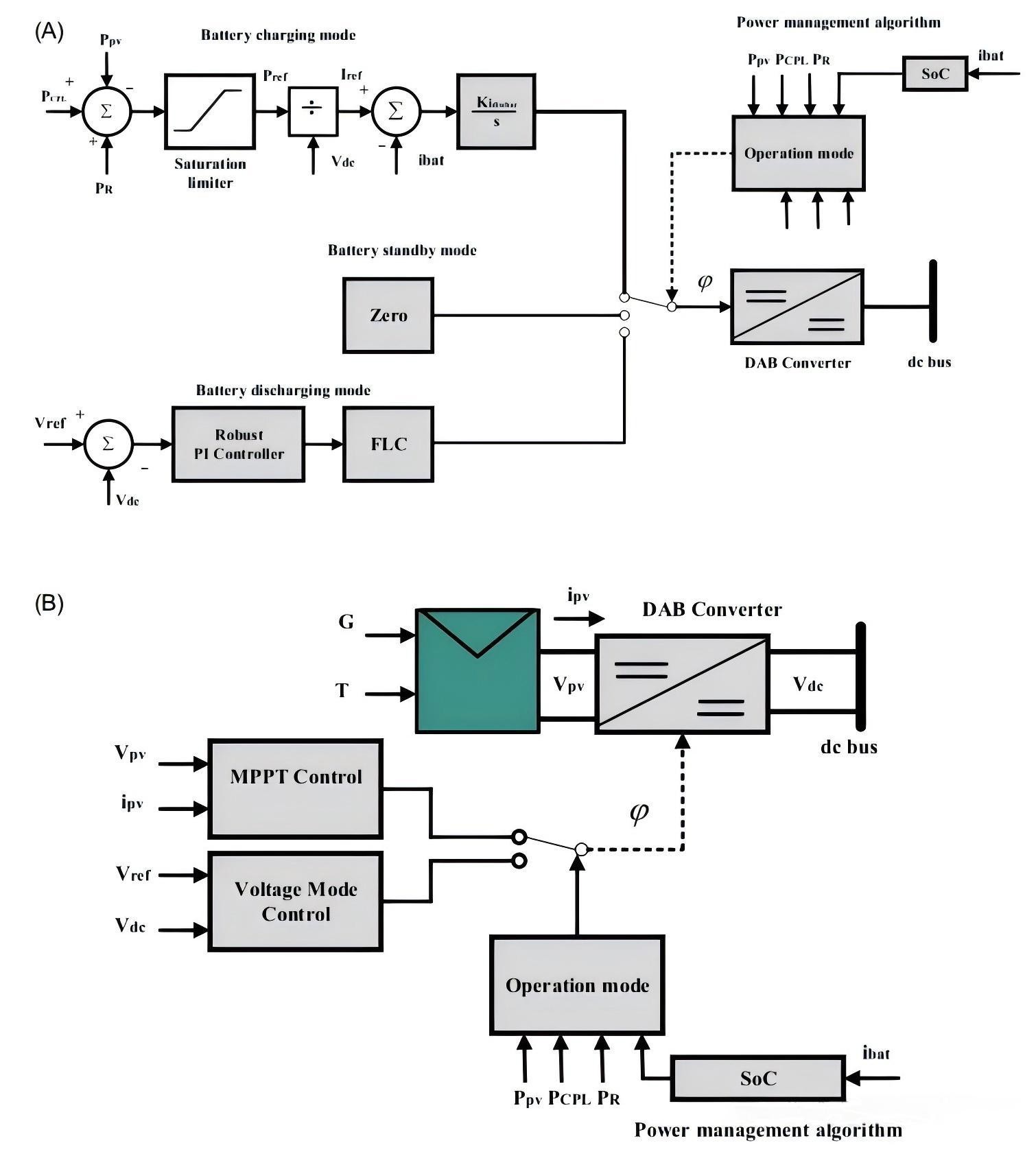
Figure 17. Power management algorithm for microgrid (A) battery and (B) photovoltaic components
6. Hardware development and simulation verification of DC microgrid
The application of hardware in the loop simulation: Connecting physical systems with simulation environments is a new topic. In microgrid research, hardware comparison is required to verify the simulation results of different control methods and topology structures. Through hardware in the loop (HIL) simulation, a DC-DC converter was used to connect the microgrid to the fuel cell, achieving bidirectional communication between the simulation environment and the physical fuel cell system. The HIL simulation consists of a DC-DC converter and a microgrid (see Figure 18).

Figure 18. Hardware simulation was conducted on the DC/DC converter and microgrid.
Example of hardware implementation devices for DC-DC converters: Table 1 in the article collects several devices obtained from scientific literature for implementing the hardware part of DC-DC converters. These devices provide reference for the hardware development of DC-DC converters in microgrids and help further research and practice of DC microgrid technology.
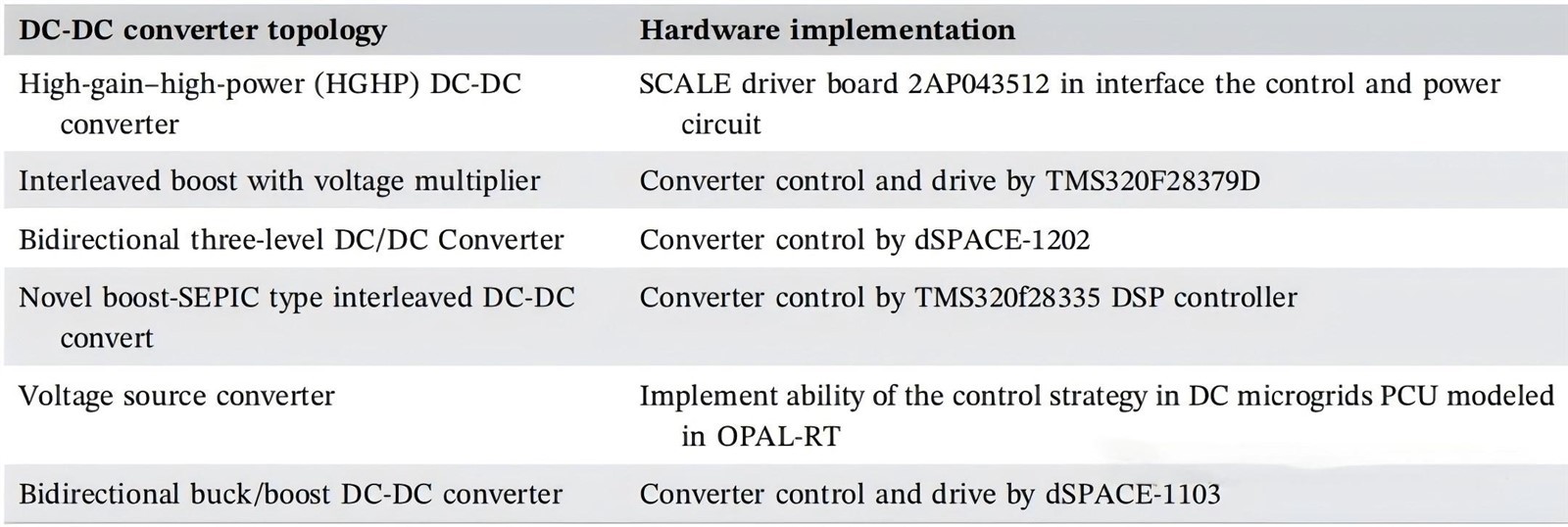
Table 1. Devices used to implement the hardware part of DC-DC converters.
7. Simulation research on DC microgrid system
Simulation system composition and parameter settings: MATLAB software is used to simulate a DC microgrid system, which includes a photovoltaic system, a wind turbine with permanent magnet synchronous generator (PMSG), a battery, a DC-DC bidirectional converter for voltage regulation, and a maximum power point tracking (MPPT) system for wind turbines and solar panels. The structure is shown in Figure 19. The photovoltaic system consists of 22 solar panels connected in series, with a maximum power point voltage and current of 30.3V and 7.10A for each panel. The DC microgrid output uses resistive loads, and the system and its component specifications are listed in Table 2.

Figure 19. Block diagram of the studied DC microgrid.

Table 2. Parameters used in DC microgrid simulation.
Simulation Results Display and Analysis: The system was simulated using MATLAB/Simulink environment, and a schematic diagram of the overall DC microgrid was provided (see Figure 20). The output curves of photovoltaic, battery, and wind turbine were shown (see Figure 21), as well as the output power curves of wind turbine at different wind speeds (represented by unit values) (see Figure 22), the voltage curves of the battery in the rated and discharge areas (see Figure 23), and the voltage and current curves of the system output load (see Figure 24). In the simulation, the wind turbine system operates at a constant speed of 12m/s, with a power generation of 8kW at rated wind speed, and the photovoltaic system has a rated power of 4.6kW. The bidirectional converter used in the battery section can achieve charging and discharging functions. These simulation results can be used to analyze and evaluate the operational performance of the DC microgrid system.

Figure 20. Simulation model of DC microgrid using MATLAB/simulation link.

Figure 21. The simulation results show that (A) Vpv, (B) Ipv, (C) Ppv, (D) wind turbine torque Te, Tm, (E) wind speed, (F) DC bus voltage, and (G) state of charge (SOC) of the rechargeable battery.

Figure 22. Simulation results show the turbine output power (pu) at different turbine speeds (pu).

Figure 23. The simulation results indicate that the battery voltage can operate normally in discharge mode.

Figure 24. The simulation results show that the output load (A) voltage of the DC microgrid and the output load (B) current of the DC microgrid.
8. Summary
This article comprehensively explores the topology, control methods, and various power management system strategies of DC-DC converters in DC microgrids, while also studying the hardware used in DC-DC converters in microgrids.
Characteristics and requirements of microgrids: The complexity of microgrids determines their need for digital automation and intelligent management to become a suitable and reliable alternative to traditional grids. Technological advancements enable automated energy management to handle multiple components and variable conditions, optimizing reliability and cost. The effective utilization of energy storage systems such as batteries in microgrids can ensure uninterrupted supply of required energy, and the use of renewable energy to supply power to regions is beneficial to the environment and has global economic significance.
Key points related to DC-DC converters: In an independent DC microgrid, DC-DC converters can achieve different levels of voltage rise and fall. Non isolated converters have less loss and are more suitable than isolated converters. There are various strategies for controlling converters in microgrids, and linear control technology cannot ensure stable system operation. Advanced methods such as model predictive control (MPC), sliding mode control (SMC), and fuzzy control have been adopted.
Conclusion of Control Method Comparison: A comprehensive analysis and comparison of control methods were conducted in the article. Advanced intelligent control methods have robustness against impedance instability. In DC-DC converters of DC microgrids, intelligent controllers have fast and accurate performance compared to other control algorithms.