


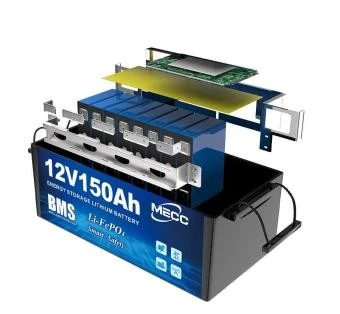
It is designed to be compatible with wireless charging technology. The future-ready battery can be charged wirelessly, adding convenience to its list of features. In a busy household or office, where cords can get tangled and create a mess, wireless charging allows you to simply place the battery-powered device on a charging pad and it will start charging automatically. This is especially useful for small portable electronics like smartphones and smartwatches, making it easier for users to keep their devices charged without the hassle of plugging and unplugging cords.
They are fabricated with a roll-to-roll screen printing process for printed electronics. Roll-to-roll screen printing uses a mesh screen to transfer ink or conductive materials onto a flexible substrate. It's a versatile and cost-effective method for mass-producing printed circuit boards, sensors, and other electronic components. In the production of RFID tags, screen printing can deposit the antenna and circuitry. In the signage industry, it can produce large-format electronic displays. The ability to print multiple layers and different materials in a single pass makes it suitable for a wide range of applications.
In a vibrant industrial park, it's a pioneer in hybrid renewable energy systems. This establishment develops integrated systems that combine multiple renewable energy sources, such as solar, wind, and biomass, with energy storage. The manufacturing process emphasizes synergy and control. These systems are designed to provide a continuous and stable power supply, adapting to the variability of renewable energy generation. The facility has a hybrid energy demonstration site where different combinations are showcased and tested for efficiency and reliability. This helps accelerate the transition to a fully renewable energy future.
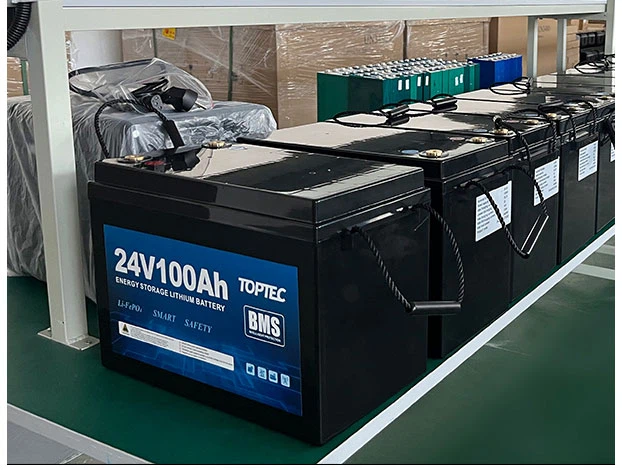
| Voltage | 12V/24V |
| Capacity | 100/200Ah |
| Cycle Life | >3000 cycles |
| Efficiency of Charge | 100% @0.5C |
| Efficiency of Discharge | 96~99% @1C |
| Charge Voltage | 14.6±0.2V |
| Charge Current | 60A |
| IP Class | IP65 |















FAQ
Q: What is the biomolecular sensor in the design and how does it work?
A: The biomolecular sensor is designed to detect specific biomolecules, such as proteins, DNA, or hormones. It typically consists of a recognition element that binds specifically to the target biomolecule. This recognition element could be an antibody, an aptamer, or a nucleic acid probe. When the target biomolecule comes into contact with the recognition element, a signal is generated. The signal can be optical, electrical, or electrochemical. For example, in an optical biomolecular sensor, if an antibody binds to a protein antigen, a fluorescent dye attached to the antibody may emit light. In an electrochemical biomolecular sensor, the binding event may cause a change in current or voltage.
Hot Tags: bms 12.8v lifepo4 battery pack 200ah, China bms 12.8v lifepo4 battery pack 200ah manufacturers, suppliers, 40v lithium battery, 60v 30ah lithium battery, 123 3v battery, crv3 lithium battery, 48v lithium ion battery for electric scooter, 20ah lithium battery


