

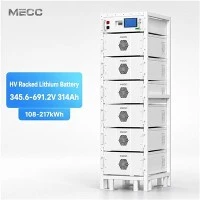


It has a built-in thermal fuse. The safety-enhanced battery is equipped with a built-in thermal fuse. This provides an additional layer of protection against overheating. If the temperature of the battery rises above a certain threshold, the thermal fuse will blow, cutting off the power supply and preventing a potential fire or explosion. In high-power applications like industrial battery banks or electric vehicle charging stations, where the risk of overheating is significant, the thermal fuse acts as a crucial safeguard, protecting both the battery and the surrounding environment.
It features a hybrid ventilation and cooling system. This combines natural ventilation, such as through vents and openings, with mechanical cooling, like fans or refrigeration. In buildings, during mild weather, natural ventilation can provide fresh air and maintain a comfortable temperature. When the outside temperature rises or the internal heat load increases, the mechanical cooling system kicks in. In data centers, where heat generation is high, the hybrid system can balance energy efficiency and cooling requirements. The natural ventilation helps to reduce the reliance on energy-intensive mechanical cooling, while the mechanical component ensures that critical equipment stays within the optimal temperature range. In industrial workshops, it can create a pleasant working environment while protecting sensitive machinery from overheating.
In a bustling business district, it's a hub of power innovation for electric scooters. This establishment produces lightweight and high-performance power systems for urban mobility. The manufacturing process blends compact design with rapid charging capabilities. These power systems use lithium-ion batteries optimized for short, frequent trips. The facility has an electric scooter test track where the vehicles are ridden to assess acceleration, range, and battery life. This contributes to the growth of clean and convenient transportation options in cities.
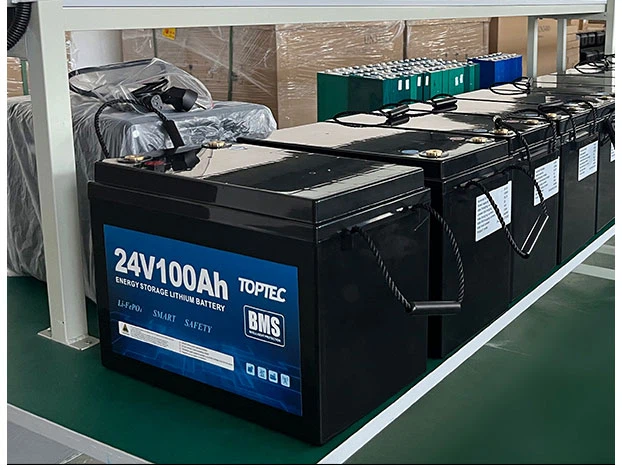
| Voltage | 12V/24V |
| Capacity | 100/200Ah |
| Cycle Life | >3000 cycles |
| Efficiency of Charge | 100% @0.5C |
| Efficiency of Discharge | 96~99% @1C |
| Charge Voltage | 14.6±0.2V |
| Charge Current | 60A |
| IP Class | IP65 |















FAQ
Q: What is the biomolecular sensor in the design and how does it work?
A: The biomolecular sensor is designed to detect specific biomolecules, such as proteins, DNA, or hormones. It typically consists of a recognition element that binds specifically to the target biomolecule. This recognition element could be an antibody, an aptamer, or a nucleic acid probe. When the target biomolecule comes into contact with the recognition element, a signal is generated. The signal can be optical, electrical, or electrochemical. For example, in an optical biomolecular sensor, if an antibody binds to a protein antigen, a fluorescent dye attached to the antibody may emit light. In an electrochemical biomolecular sensor, the binding event may cause a change in current or voltage. These sensors can be used in medical diagnostics to detect diseases, in environmental monitoring to detect pollutants, and in food safety to detect contaminants. They provide a rapid and sensitive means of detecting biomolecules in a variety of settings.
Hot Tags: 12.8v lifepo4 battery pack 200ah bms, China 12.8v lifepo4 battery pack 200ah bms manufacturers, suppliers, 3 7 v li ion battery 5000mah, 12v lithium ion battery, 1 lithium ion batteries required, electric scooter battery lithium, Golf Cart Battery Pack, amped lithium batteries


