


It has a modular architecture that facilitates easy repair and replacement. The modular battery system allows individual modules to be replaced if they fail, rather than having to replace the entire battery. This reduces downtime and repair costs, especially in large-scale installations like data centers or electric vehicle charging stations. If a single module in a bank of batteries malfunctions, it can be quickly swapped out, keeping the system operational with minimal disruption.
They are produced using a plasma-enhanced chemical vapor deposition (PECVD) process for thin film growth. Plasma is used to activate and decompose precursor gases, which then deposit on a substrate to form a thin film. This process can create high-quality films with unique properties. In the production of solar cells, PECVD can be used to deposit a thin film of silicon or other materials to enhance the cell's efficiency. In the semiconductor industry, it can be used to grow insulating films or modify the surface of wafers. In display technology, it can be used to produce transparent conductive films for touch screens.
In a bustling business district, it's a hub of power innovation for electric motorcycles. This establishment produces power systems that can deliver high power and quick acceleration. The manufacturing process is a dance of high-performance electronics. They use high-power-density cells and advanced charging algorithms. The power systems are designed with a low internal impedance, allowing for efficient power delivery. The facility also has an electric motorcycle testing lab, where they simulate riding conditions, testing the power systems under acceleration, braking, and cruising. The goal is to provide power systems that can make electric motorcycles a viable alternative to gas-powered ones.
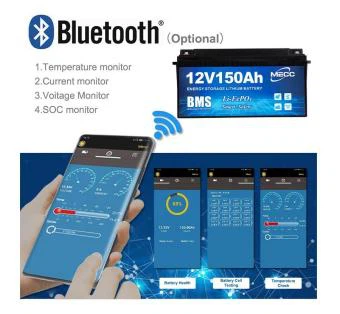
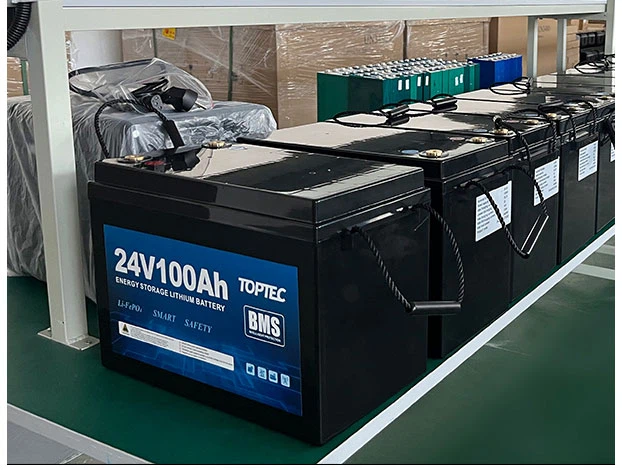
| Voltage | 12V/24V |
| Capacity | 100/200Ah |
| Cycle Life | >3000 cycles |
| Efficiency of Charge | 100% @0.5C |
| Efficiency of Discharge | 96~99% @1C |
| Charge Voltage | 14.6±0.2V |
| Charge Current | 60A |
| IP Class | IP65 |















FAQ
Q: How does the self-assembled monolayer coating technology work?
A: The self-assembled monolayer coating technology capitalizes on the natural tendency of certain molecules to spontaneously arrange themselves into a single layer on a surface. We start with a solution containing these special molecules, which typically have a hydrophobic tail and a hydrophilic head. When the component to be coated is immersed in the solution, the molecules adsorb onto the surface. The hydrophobic tails orient themselves away from the surface, while the hydrophilic heads interact with the surface, forming a tightly packed monolayer. This coating can have multiple beneficial effects. For microelectronics, it provides a protective barrier against moisture and contaminants.
Hot Tags: 25.6v 50ah lifepo4 battery pack wifi, China 25.6v 50ah lifepo4 battery pack wifi manufacturers, suppliers, lithium ion battery 48v 24ah, 60ah lithium battery, 123a batteries, crv3 lithium battery, 12 volt lithium battery, 4 8 kwh lithium ion battery


