


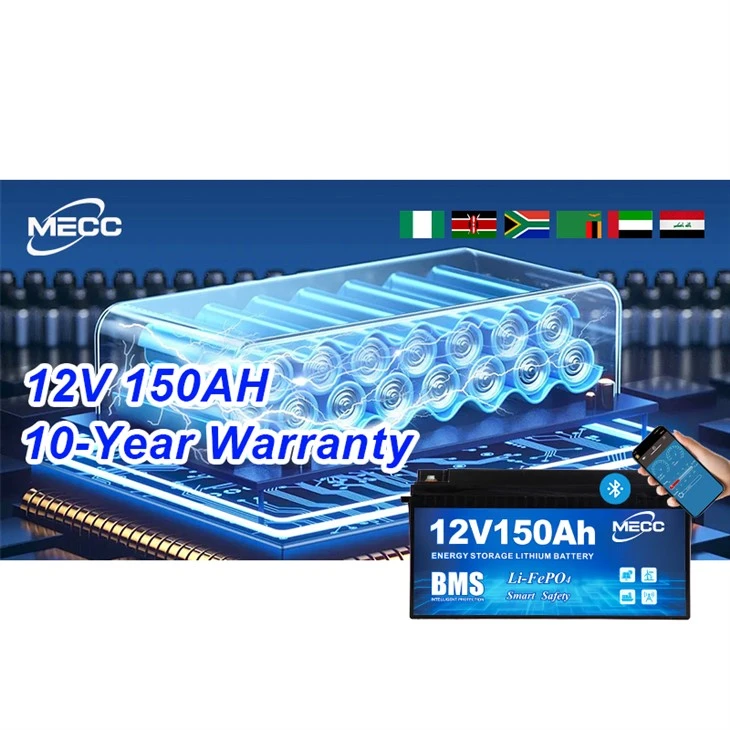

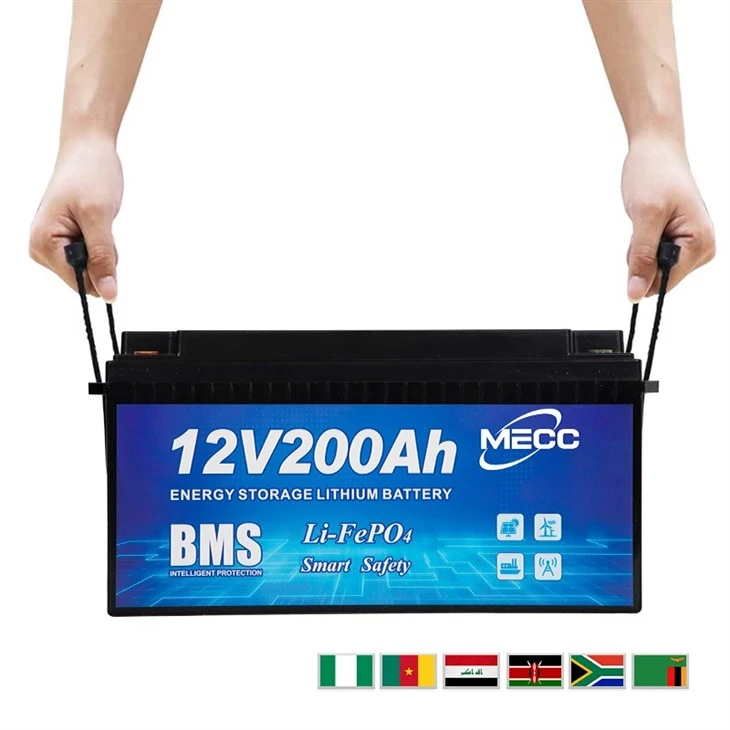
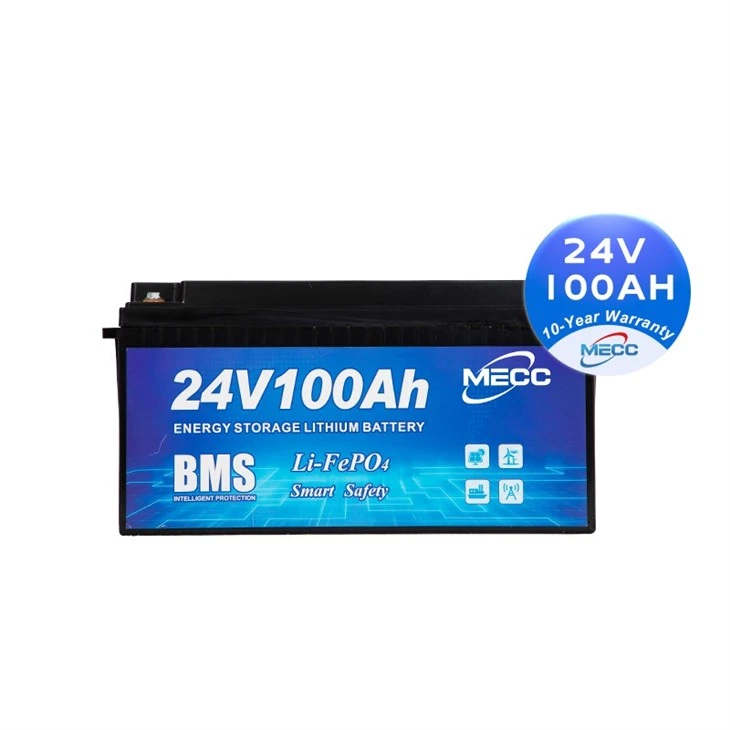
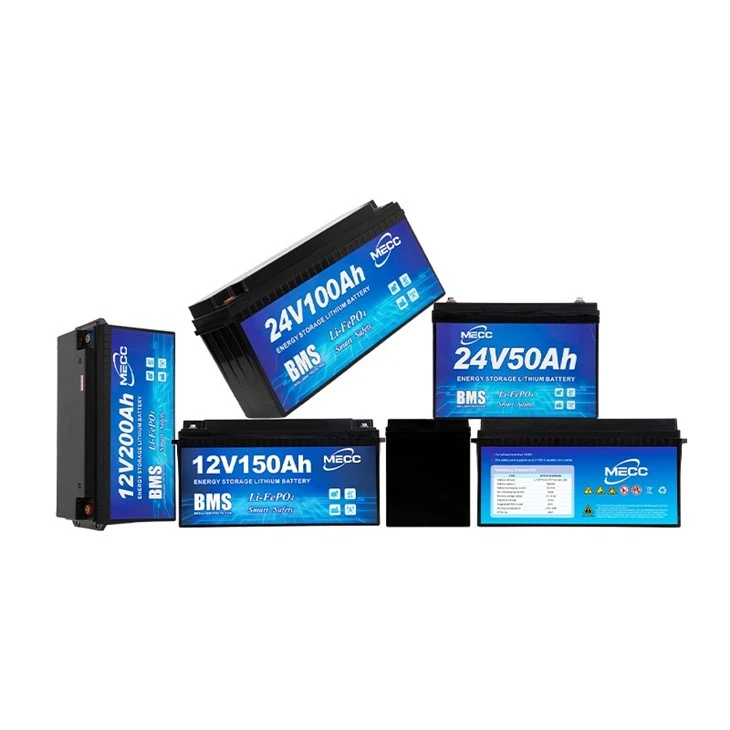
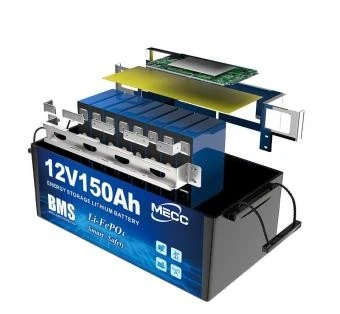
They offer enhanced electrochemical performance. These advanced batteries have been formulated with state-of-the-art electrochemistry. They have a higher coulombic efficiency, which means they can convert more of the input electrical charge into useful stored energy and deliver it back more effectively during discharge. This improvement in electrochemical performance is beneficial for any application that demands efficient energy storage and retrieval, such as in energy storage systems for renewable energy farms.
It incorporates a self-assembled monolayer coating technology. A monolayer of molecules is spontaneously assembled on the surface of a material, providing a protective and functional coating. This coating can enhance the wettability of the surface, improve corrosion resistance, or modify its electrical properties. In microelectronics, the self-assembled monolayer can be used to protect the delicate circuitry from moisture and contaminants. In biomedical implants, it can improve the biocompatibility of the implant surface, reducing the risk of rejection. In energy storage devices, it can enhance the performance of electrodes by optimizing the interface between the electrode and the electrolyte.
It's a dynamo of progress in the power storage industry. This establishment manufactures power cells with a unique thermal management system. The production process is a blend of engineering and thermodynamics. They use liquid-cooling channels and heat sinks to dissipate heat generated during operation. The power cells are designed to operate within a wide temperature range, from freezing cold to hot climates. The facility also has a thermal management lab, where they test the effectiveness of the system under different conditions. The goal is to ensure the power cells perform optimally, regardless of the environment.
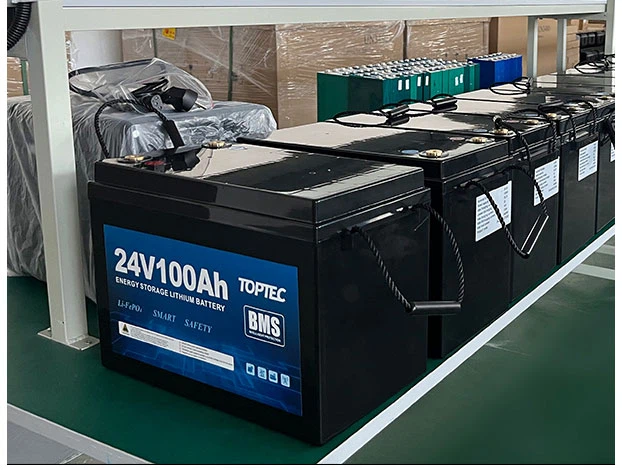
| Voltage | 12V/24V |
| Capacity | 100/200Ah |
| Cycle Life | >3000 cycles |
| Efficiency of Charge | 100% @0.5C |
| Efficiency of Discharge | 96~99% @1C |
| Charge Voltage | 14.6±0.2V |
| Charge Current | 60A |
| IP Class | IP65 |















FAQ
Q: Why is the microwave sintering process used for ceramic components?
A: Microwave sintering is a game-changer in the production of ceramic components. Traditional sintering methods rely on heating the ceramics in a furnace, which can be a slow and energy-intensive process. In contrast, microwave sintering uses microwave energy to directly interact with the ceramic material. The microwaves cause the ceramic molecules to vibrate rapidly, generating heat internally. This rapid internal heating leads to several benefits. Firstly, it significantly reduces the sintering time. Ceramics that might take hours to sinter using conventional methods can be processed in a fraction of the time with microwave sintering. This not only speeds up production but also reduces energy consumption. Secondly, the rapid heating and cooling rates can result in ceramics with improved mechanical properties.
Hot Tags: 12.8v 300ah lifepo4 battery pack wifi, China 12.8v 300ah lifepo4 battery pack wifi manufacturers, suppliers, 18 volt lithium battery, 9v lithium rechargeable battery 1200mah, 15ah lithium battery, cr p2 6v lithium battery, 72v 60ah lithium battery, 48 volt lithium battery


