


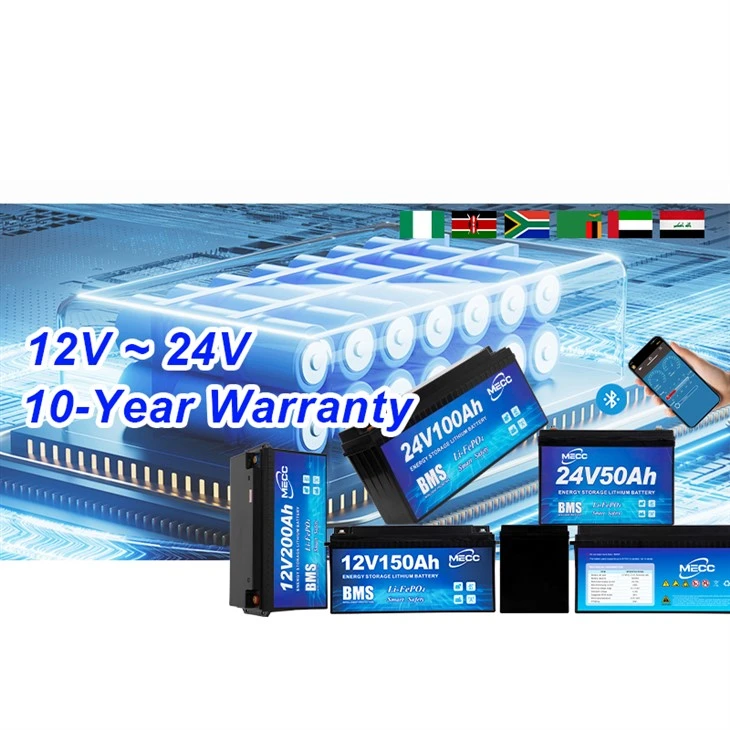


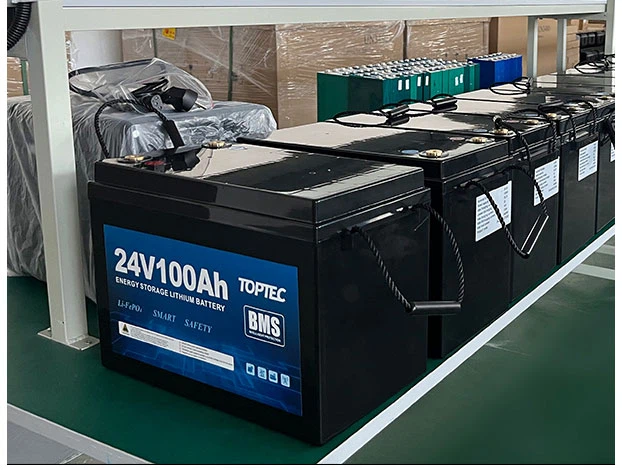
24V 100Ah LiFePO4 Battery Pack with BMS
High-Capacity Energy Storage & Efficiency
24V 100Ah Performance: Provides a nominal 24V output (operating range: 21V–29.2V) with 100Ah capacity, translating to 2.4kWh of energy-sufficient to power a 200W appliance for 12 hours, a 500W inverter for ~4.8 hours, or 24V LED lighting for 50+ hours.
LiFePO4 Chemistry Advantages:
Long Cycle Life: Supports 3,000–5,000 deep charge-discharge cycles (at 80% depth of discharge), outlasting lead-acid batteries by 6–10x (equivalent to 10–15 years of use).
High Energy Density: Weighs only ~25kg (vs. 60kg for a lead-acid equivalent), making it ideal for space-constrained environments like RVs or small cabins.
Low Self-Discharge: Loses just 2–3% of charge monthly (vs. 10–15% for lead-acid), retaining stored energy for extended periods-perfect for backup systems or seasonal use.
Advanced BMS for Safety & Optimization
Comprehensive Protection: The built-in BMS acts as a safeguard, featuring:
Overcharge/Over-Discharge Protection: Shuts down charging at 29.2V and discharge below 21V to prevent cell damage.
Overcurrent & Short Circuit Protection: Limits continuous discharge to 50A (100A peak) and instantly cuts power during short circuits, reducing fire risks.
Temperature Regulation: Operates safely in -20°C to 60°C, with thermal shutdowns to avoid overheating in extreme conditions.
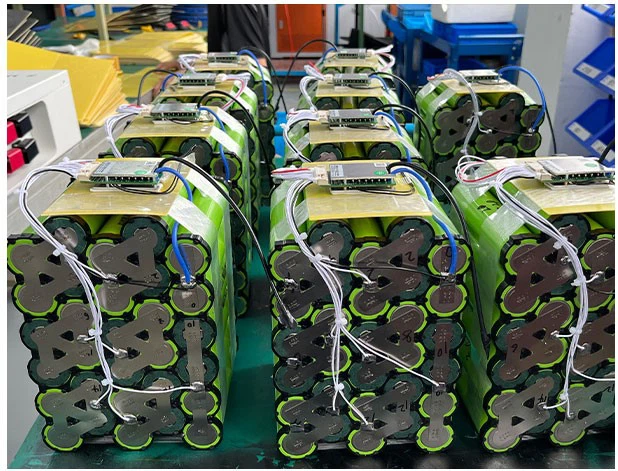
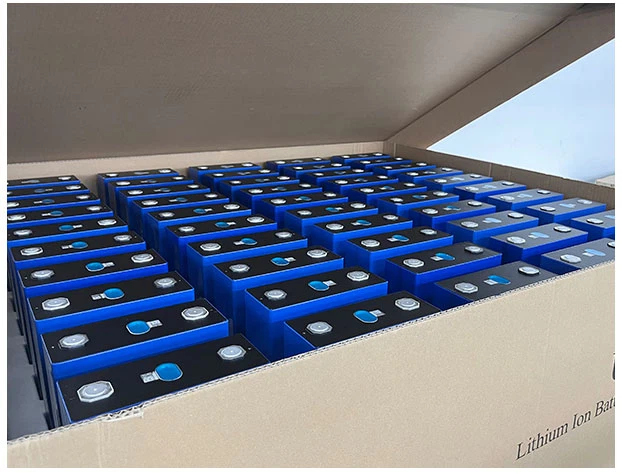
Active Cell Balancing: Ensures uniform voltage across the 8-series LiFePO4 cells (3.2V each), maximizing capacity and preventing uneven degradation-critical for maintaining long-term performance.
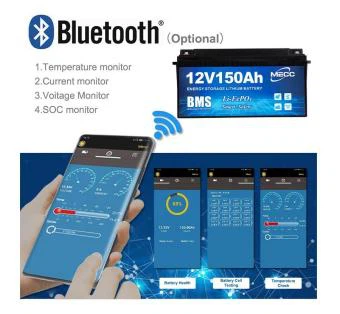
Real-Time Monitoring: Tracks State of Charge (SOC), voltage, and temperature via LCD display or Bluetooth (on premium models), allowing users to monitor power levels remotely.
| Voltage | 12V/24V |
| Capacity | 100/200Ah |
| Cycle Life | >3000 cycles |
| Efficiency of Charge | 100% @0.5C |
| Efficiency of Discharge | 96~99% @1C |
| Charge Voltage | 14.6±0.2V |
| Charge Current | 60A |
| IP Class | IP65 |















FAQ
Q: How does the wet chemical etching process for microelectronics work?
A: The wet chemical etching process is fundamental in microelectronics. It uses specific chemicals, known as etchants, to selectively dissolve away unwanted material from a substrate. The substrate, which could be a silicon wafer, is immersed in the etchant solution. The choice of etchant depends on the material to be etched. For example, hydrofluoric acid is often used to etch silicon dioxide. By carefully controlling the concentration of the etchant, the temperature, and the etching time, we can create precise patterns and structures at the microscale. In the production of microchips, it's used to define the circuitry and create trenches and vias. The etching process is carefully monitored to ensure the desired etch rate and selectivity. For example, in the fabrication of memory chips, wet chemical etching is crucial for creating the tiny memory cells and interconnects. It's a key process that enables the continuous miniaturization and improvement of microelectronics.
Hot Tags: 24v 100ah lithium battery pack bms, China 24v 100ah lithium battery pack bms manufacturers, suppliers, 12V Solar PV Panel Battery, 40v lithium battery, best lithium battery for golf cart, slimline lithium battery 200ah, nexus lithium battery, 5kwh lithium battery


