


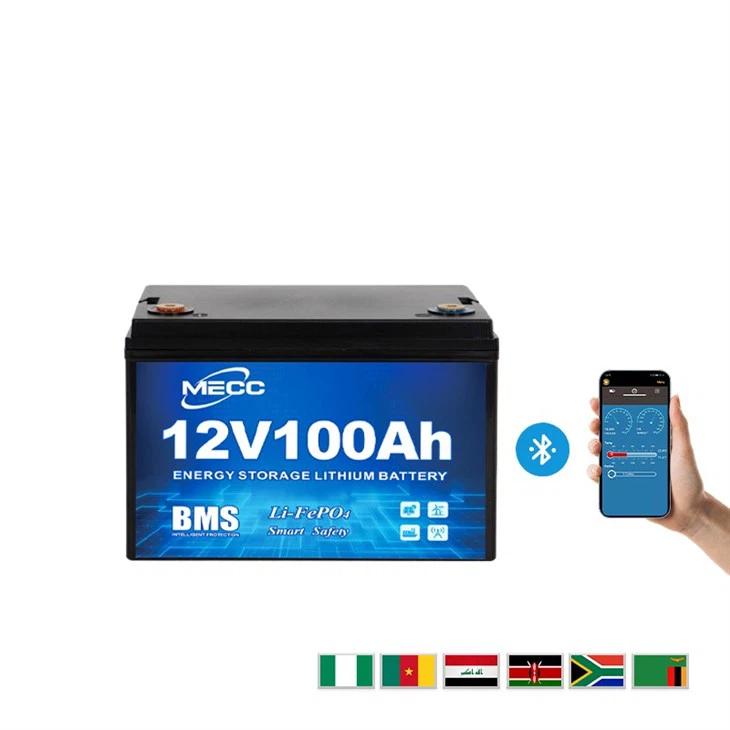


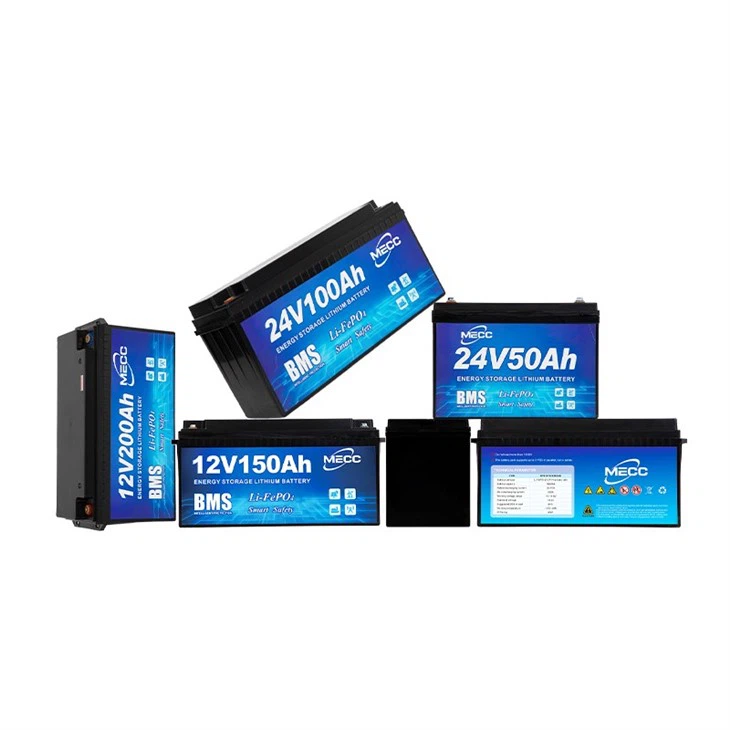

They are being incorporated into agricultural machinery. These high-performance batteries power tractors, harvesters, and other farm equipment. Their long cycle life and ability to operate in dusty and dirty environments make them a practical choice. Farmers can rely on them for extended working hours without frequent battery replacements, improving productivity in the fields.
They are produced using a electrochemical machining (ECM) process for shaping metal parts. ECM uses an electrochemical reaction to remove metal from a workpiece. By controlling the current density, electrolyte composition, and other parameters, precise shapes can be machined. In the aerospace industry, it's used to produce complex turbine blade profiles. The non-mechanical nature of the process means there is no tool wear, and it can produce parts with extremely smooth surfaces. In the production of medical implants, ECM can be used to create custom shapes that fit the patient's anatomy precisely, improving the implant's biocompatibility and functionality.
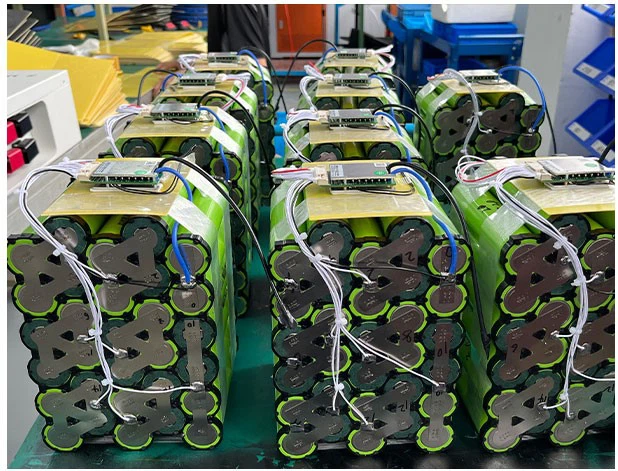
It's a titan of progress in the power storage for electric vehicles. This establishment manufactures next-generation battery packs that can significantly extend the range and reduce the charging time of electric cars. The manufacturing process combines advanced materials science and manufacturing techniques. They use silicon-based anodes and high-voltage cathodes to increase energy density. The battery packs are designed with a modular architecture, allowing for easy replacement and upgrade. The facility has an electric vehicle testing lab where the battery packs are tested for their performance under different driving conditions, from city traffic to highway cruising. This helps accelerate the adoption of electric vehicles by addressing the range and charging concerns.
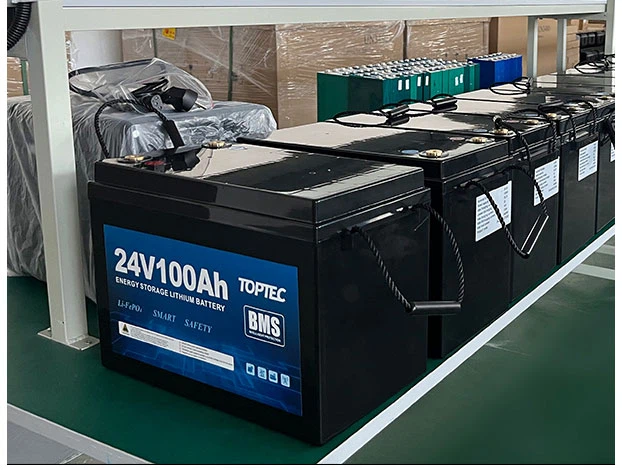
| Voltage | 12V/24V |
| Capacity | 100/200Ah |
| Cycle Life | >3000 cycles |
| Efficiency of Charge | 100% @0.5C |
| Efficiency of Discharge | 96~99% @1C |
| Charge Voltage | 14.6±0.2V |
| Charge Current | 60A |
| IP Class | IP65 |
















FAQ
Q: How does the electrochemical machining (ECM) process for shaping metal parts work?
A: The ECM process uses an electrochemical reaction to shape metal parts. A workpiece, made of the metal to be machined, is immersed in an electrolyte solution. An electric current is then passed through the system. The anode is the tool that is used to shape the workpiece, while the cathode is usually a separate electrode. As the current flows, metal ions are dissolved from the anode (the workpiece) and migrate through the electrolyte to the cathode. By controlling the current density, electrolyte composition, and other parameters, precise shapes can be machined. In the aerospace industry, it's used to produce complex turbine blade profiles. The non-mechanical nature of the process means there is no tool wear, and it can produce parts with extremely smooth surfaces. In the production of medical implants, ECM can be used to create custom shapes that fit the patient's anatomy precisely, improving the implant's biocompatibility and functionality.
Hot Tags: 12v lifepo4 battery pack 20ah bms, China 12v lifepo4 battery pack 20ah bms manufacturers, suppliers, 3 7 v lithium battery 18650, d cell lithium batteries, 320 watt solar panel, 12 volt lithium deep cycle battery, pigeon proofing solar panels, lithium battery for golf carts


