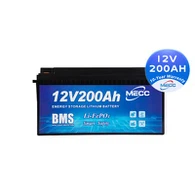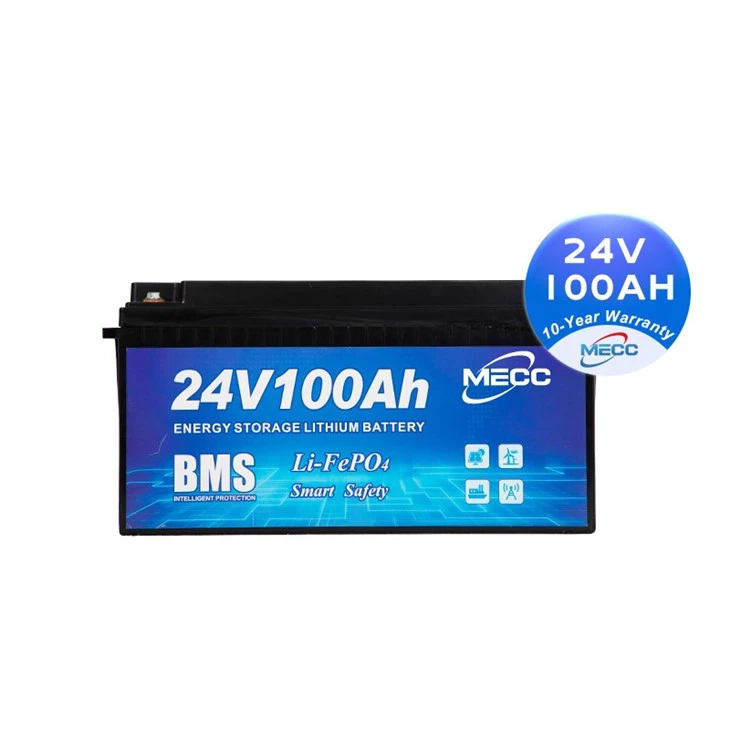


They are being used in marine applications. These durable batteries are finding their way onto boats and ships. Their resistance to saltwater corrosion, combined with their high energy density and reliable performance, makes them ideal for powering navigation systems, onboard electronics, and electric propulsion in some cases. A yacht owner can enjoy longer trips without worrying about battery failure in the middle of the ocean.
It incorporates a biomimetic surface design. Drawing inspiration from nature, the surface of the device is engineered to mimic biological structures and functions. For example, it might feature a texture similar to that of lotus leaves, which exhibit superhydrophobic properties. This causes water and other liquids to bead up and roll off easily, preventing corrosion and fouling in wet environments. In marine applications, such as boat hulls or underwater sensors, this biomimetic design can significantly reduce drag and the accumulation of marine organisms, improving fuel efficiency and equipment lifespan. In medical implants, a surface patterned like bone tissue can enhance biocompatibility, promoting better integration with the surrounding body tissues and reducing the risk of rejection.
It's a vanguard of energy efficiency in the building sector. This establishment manufactures building-integrated power systems that can harvest and store energy while providing structural support. For example, they produce solar panels that double as roofing materials or facade elements. The production process combines construction and energy technologies. These panels are designed to withstand the elements while efficiently converting sunlight into electricity. The facility has a building simulation lab where the power systems are tested for their energy generation potential and durability in different architectural settings. This helps create sustainable buildings that can generate their own power, reducing energy bills and carbon emissions.
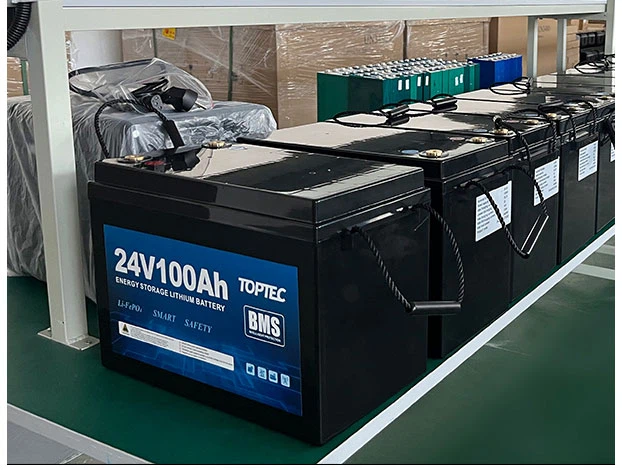
| Voltage | 12V/24V |
| Capacity | 100/200Ah |
| Cycle Life | >3000 cycles |
| Efficiency of Charge | 100% @0.5C |
| Efficiency of Discharge | 96~99% @1C |
| Charge Voltage | 14.6±0.2V |
| Charge Current | 60A |
| IP Class | IP65 |















FAQ
Q: How does the reactive ion etching (RIE) process for microfabrication work?
A: The RIE process is a key technique in microfabrication. It starts with placing the substrate, which could be a silicon wafer or other material, in a vacuum chamber. A plasma containing reactive ions is then generated inside the chamber. The reactive ions are produced by introducing gases, such as fluorine-based gases for etching silicon, and applying a radiofrequency or microwave power source. The plasma ions are accelerated towards the substrate under the influence of an electric field. As the ions collide with the substrate, they chemically react with the surface material, selectively removing it. By carefully controlling the gas composition, power, and etching time, we can create extremely fine and precise patterns and structures at the microscale. In the semiconductor and microelectronics fields, this is indispensable for fabricating integrated circuits, microchips, and sensors.
Hot Tags: 12.8v lifepo4 battery pack 150ah wifi, China 12.8v lifepo4 battery pack 150ah wifi manufacturers, suppliers, ionic lithium battery 125ah, lithium d batteries, cr2025 lithium battery, Prismatic Battery Pack, Solar PV Panel Battery, 150 amp lithium battery