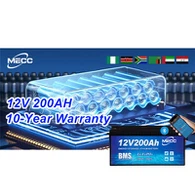
They have a unique anti-corrosion coating. These innovative batteries are coated with a special anti-corrosion material. This protects them from the corrosive effects of moisture, salt, and other chemicals in the environment. In marine applications, for example, on boats and ships, the battery's anti-corrosion coating allows it to withstand the harsh saltwater environment. It prevents rust and other forms of corrosion that could damage the battery and compromise its performance, ensuring reliable power supply for navigation systems, onboard electronics, and other marine equipment.
They are produced using a abrasive machining and polishing process for optical components. In the production of lenses, mirrors, and other optical components, abrasive machining is first used to shape the raw material to the approximate desired geometry. Then, polishing is carried out to achieve the required surface finish and optical quality. The abrasive machining can involve grinding, lapping, or diamond turning, depending on the complexity and precision requirements. Polishing uses fine abrasives and precise techniques to remove surface imperfections and create a smooth, optically clear surface. In high-end telescopes, for example, the optical components must be fabricated with extreme precision to ensure excellent image resolution. In camera lenses, the polished surface is crucial for capturing sharp and clear photos. The combination of abrasive machining and polishing is a time-consuming but essential process for producing high-quality optical components.
It's a titan of progress in the power storage for electric forklifts. This establishment manufactures heavy-duty battery packs for industrial forklifts. The manufacturing process combines durability and high power output requirements. The battery packs are designed to endure the rough handling and frequent charging cycles typical of forklift operations. They use thick electrode plates and robust casings to withstand vibrations and impacts. The facility has an electric forklift test track where the battery packs are evaluated for their runtime, charging speed, and ability to power heavy loads. This helps improve the efficiency and sustainability of warehouse and logistics operations.
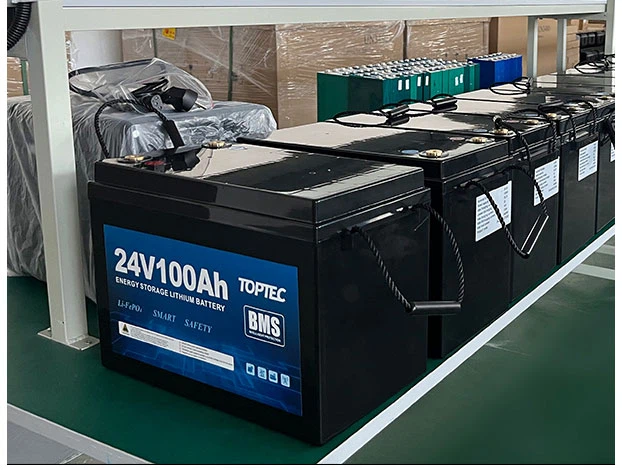
| Voltage | 12V/24V |
| Capacity | 100/200Ah |
| Cycle Life | >3000 cycles |
| Efficiency of Charge | 100% @0.5C |
| Efficiency of Discharge | 96~99% @1C |
| Charge Voltage | 14.6±0.2V |
| Charge Current | 60A |
| IP Class | IP65 |















FAQ
Q: How does the roll-to-roll printing process for fabricating flexible electronics work?
A: The roll-to-roll printing process is ideal for producing flexible electronics. It involves printing functional inks or pastes onto a flexible substrate, which is usually in a roll format. The substrate is continuously fed through a series of printing stations. At each station, different layers or patterns can be printed, such as conductive tracks, electrodes, or insulating layers. The printing techniques can include screen printing, gravure printing, or inkjet printing. The ink or paste is carefully formulated to have the right properties, such as conductivity, viscosity, and drying characteristics. In the production of flexible solar cells, the roll-to-roll printing can deposit the active layers and electrodes. In the wearable electronics market, it can produce the circuitry for smartwatches, fitness trackers, and clothing-integrated electronics. The ability to print on flexible substrates and in a continuous manner allows for high-volume production and the creation of innovative, conformable electronic products.
Hot Tags: 12.8v lifepo4 battery pack 150ah bms, China 12.8v lifepo4 battery pack 150ah bms manufacturers, suppliers, 50ah lithium battery, 72v 60ah lithium battery, lithium primary battery, inverter battery lithium ion, slimline lithium battery, lithium ion solar battery