


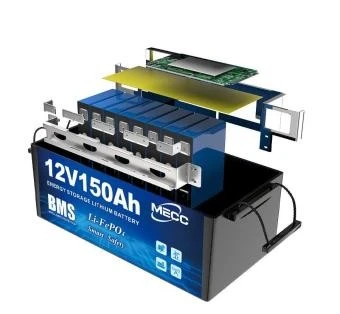
It has a unique thermal management system. The thermally regulated battery is equipped with a system that keeps its temperature in check. It can dissipate heat efficiently during charging and operation, preventing overheating, and in cold conditions, it can warm up the cell to optimize performance. This is crucial for applications in extreme climates, like Arctic research stations or desert power plants, ensuring the battery functions optimally year-round.
It features a thermoelectric cooling and heating module. This dual-purpose module can either cool or heat the device depending on the operating conditions. It uses the Seebeck effect to convert electrical energy into a temperature gradient for cooling and the Peltier effect for heating. In portable refrigerators and warming devices, it provides a compact and efficient solution. For example, in a picnic cooler, the thermoelectric module can keep food and drinks cold without the need for bulky compressor-based cooling systems. In a heated blanket, it can provide gentle warmth without the risk of overheating. In some electronic devices, it can also be used to maintain an optimal operating temperature.
Nestled in a tech cluster, it's a hotbed of innovation for wearable power. This establishment focuses on power sources for fitness trackers, smartwatches, and other wearables. The production facility is a blend of miniaturization and comfort. Using flexible materials, they create power sources that can conform to the body. The electrodes are designed with a low self-discharge rate, ensuring the wearables stay powered throughout the day. The facility also has a biocompatibility lab, where they test the materials to make sure they're safe for skin contact. The goal is to provide wearable power that's both functional and comfortable.
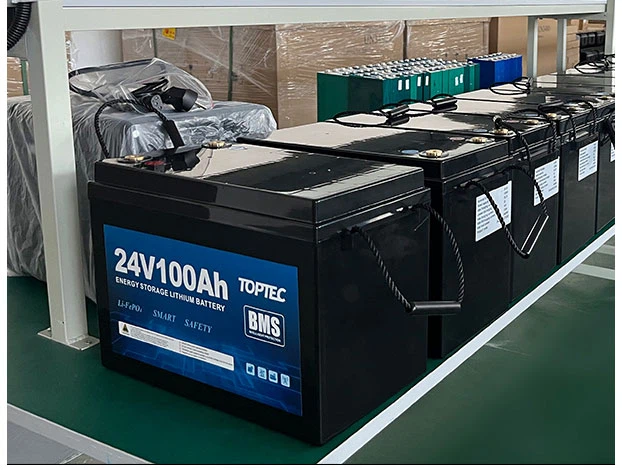
| Voltage | 12V/24V |
| Capacity | 100/200Ah |
| Cycle Life | >3000 cycles |
| Efficiency of Charge | 100% @0.5C |
| Efficiency of Discharge | 96~99% @1C |
| Charge Voltage | 14.6±0.2V |
| Charge Current | 60A |
| IP Class | IP65 |















FAQ
Q: Why is the microwave sintering process used for ceramic components?
A: Microwave sintering is a game-changer in the production of ceramic components. Traditional sintering methods rely on heating the ceramics in a furnace, which can be a slow and energy-intensive process. In contrast, microwave sintering uses microwave energy to directly interact with the ceramic material. The microwaves cause the ceramic molecules to vibrate rapidly, generating heat internally. This rapid internal heating leads to several benefits. Firstly, it significantly reduces the sintering time. Ceramics that might take hours to sinter using conventional methods can be processed in a fraction of the time with microwave sintering. This not only speeds up production but also reduces energy consumption. Secondly, the rapid heating and cooling rates can result in ceramics with improved mechanical properties. The microstructure of the ceramics is refined, leading to higher strength, hardness, and toughness. In the production of ceramic capacitors and insulators, the faster sintering time allows for higher production volumes and better quality control. In the dental industry, it can be used to fabricate ceramic crowns and implants with enhanced durability and aesthetics.
Hot Tags: 12.8v 200ah lifepo4 battery packs, China 12.8v 200ah lifepo4 battery packs manufacturers, suppliers, cr2032 lithium 3v coin battery, 14 4 v lithium ion battery, 100a lithium battery, 5 5 kw lithium battery, 48v 20ah lithium ion battery, 12v 10ah lithium ion battery


