They are being harnessed to power microgrids in remote areas. These robust batteries are a linchpin in microgrid projects in isolated regions. They can store energy from local renewable sources like wind turbines and solar panels, providing a reliable power supply when the main grid is unavailable. In a small island community, they can power homes, schools, and essential services, enabling self-sustaining development and reducing dependence on imported diesel generators.
They are fabricated with a microwave sintering process for ceramic components. Microwave energy is used to rapidly heat and sinter ceramic materials. This process is much faster than traditional sintering methods, reducing production time and energy consumption. The microwave sintering can result in ceramics with improved mechanical properties and denser structures. In the production of ceramic capacitors and insulators, the faster sintering time allows for higher production volumes and better quality control. In the dental industry, it can be used to fabricate ceramic crowns and implants with enhanced durability and aesthetics.
It's a vanguard of energy storage for emergency services. This establishment manufactures power systems for ambulances, fire trucks, and police vehicles. The production process is a symphony of reliability and speed. The power systems are designed to provide instant power when needed. They use high-power-density cells and rapid-charging technology. The facility has an emergency vehicle testing lab, where they simulate emergency scenarios, testing the power systems under high stress and short time frames. The power systems are also designed to be rugged, able to withstand the vibrations and impacts of emergency vehicle operation.
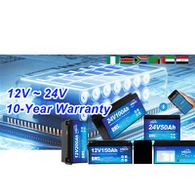
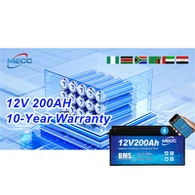
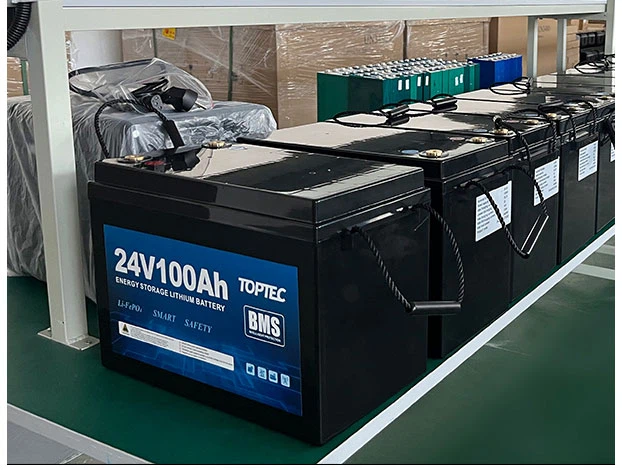
| Voltage | 12V/24V |
| Capacity | 100/200Ah |
| Cycle Life | >3000 cycles |
| Efficiency of Charge | 100% @0.5C |
| Efficiency of Discharge | 96~99% @1C |
| Charge Voltage | 14.6±0.2V |
| Charge Current | 60A |
| IP Class | IP65 |















FAQ
Q: How does the self-assembled monolayer coating technology work?
A: The self-assembled monolayer coating technology capitalizes on the natural tendency of certain molecules to spontaneously arrange themselves into a single layer on a surface. We start with a solution containing these special molecules, which typically have a hydrophobic tail and a hydrophilic head. When the component to be coated is immersed in the solution, the molecules adsorb onto the surface. The hydrophobic tails orient themselves away from the surface, while the hydrophilic heads interact with the surface, forming a tightly packed monolayer. This coating can have multiple beneficial effects. For microelectronics, it provides a protective barrier against moisture and contaminants. The monolayer prevents water molecules from penetrating the delicate circuitry, reducing the risk of short circuits and corrosion. In biomedical implants, it can improve the biocompatibility of the implant surface. The molecules can interact with the surrounding body tissues in a favorable way, reducing the risk of rejection. In energy storage devices, it can enhance the performance of electrodes by optimizing the interface between the electrode and the electrolyte, facilitating ion transfer and improving overall electrochemical efficiency.
Hot Tags: 12.8v 300ah lifepo4 battery pack, China 12.8v 300ah lifepo4 battery pack manufacturers, suppliers, lithium trolling motor battery 24v, 26650 li ion battery, lithium iron phosphate car battery, 12 8V Battery Pack, Golf Cart Lithium Ion Battery Pack, 40 kwh lithium ion battery