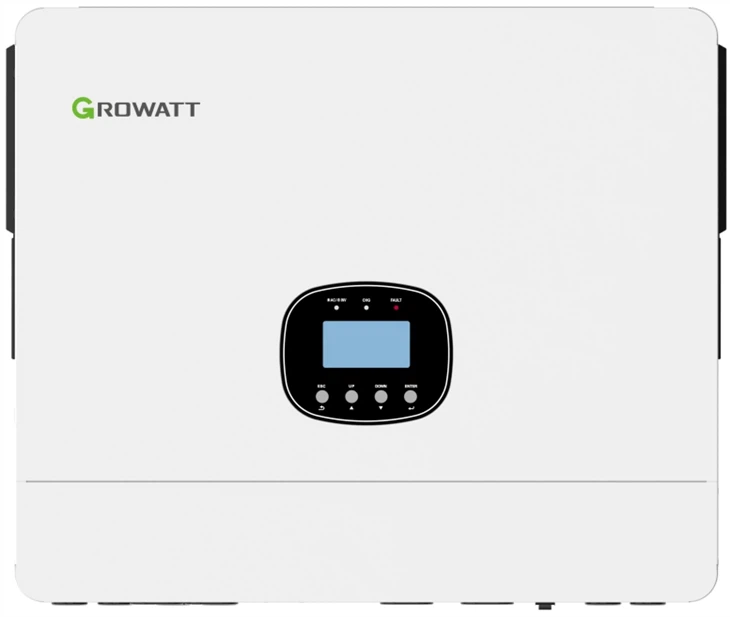
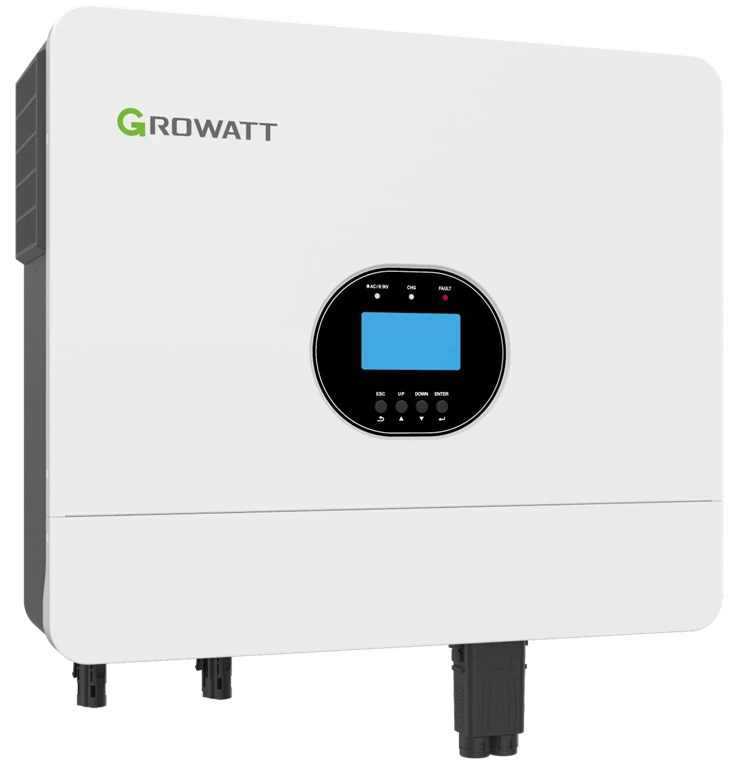
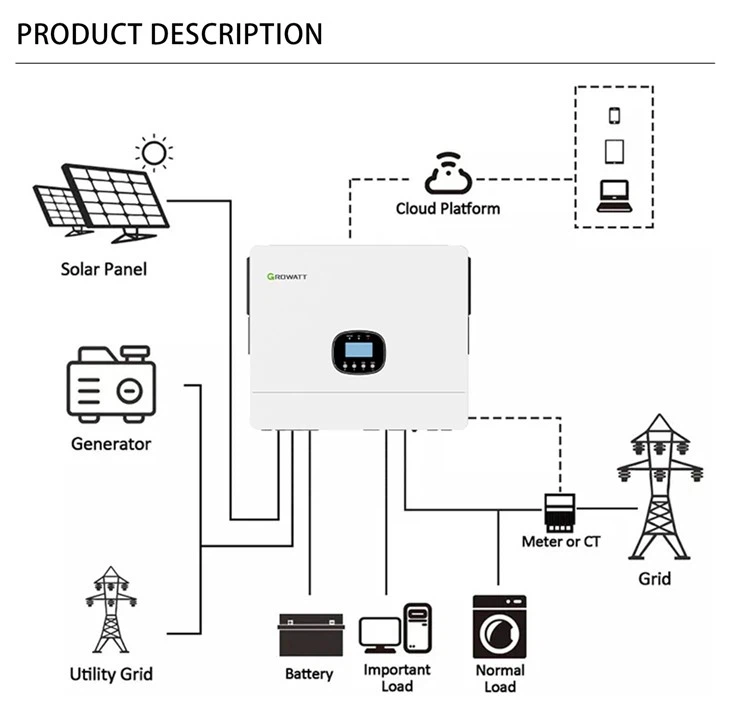
It supports parallel operation, which opens up a world of possibilities for meeting large-scale power requirements. Multiple units can be connected together in a seamless manner, exponentially increasing the overall power output. This makes it an ideal choice for powering industrial complexes, where heavy machinery and continuous production processes demand a reliable and substantial power supply. In data centers, where uninterrupted power is crucial to prevent data loss and maintain server operations, it can provide the redundancy and high power levels needed. Even in large commercial buildings, such as shopping malls or office towers, it can handle the diverse and fluctuating power demands. The parallel connection is designed with built-in communication protocols that ensure the inverters work in harmony, sharing the load evenly and providing backup in case one unit fails. This redundancy not only boosts reliability but also allows for efficient utilization of resources as power demands change.
Power Conversion Topology: Different power conversion topologies, such as buck, boost, buck-boost, or full-bridge, are selected depending on the application requirements. For example, a buck converter is suitable for stepping down a higher DC voltage to a lower level, while a boost converter does the opposite. In inverters that need to convert DC to alternating current (AC), full-bridge topologies are commonly used. The choice of topology impacts the efficiency, power density, and complexity of the inverter design.
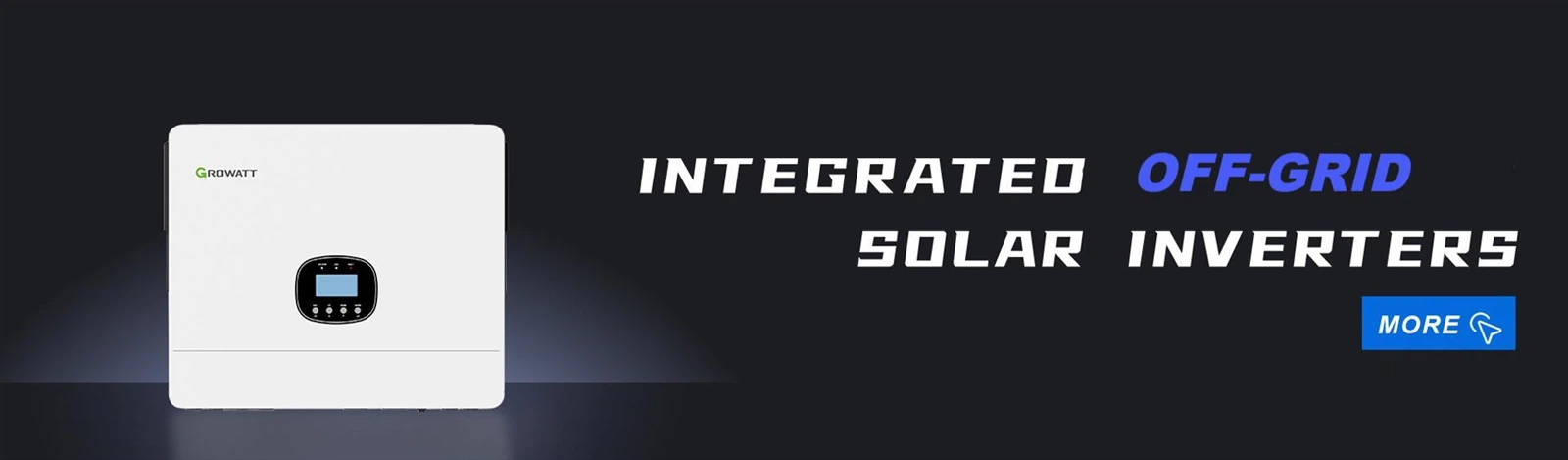
| Model |
SPF 6000 ES
|
|
Battery Voltage
|
48V
|
|
Battery Type
|
Lithium/Lead-acid
|
|
Rated Power
|
6000W
|
|
AC Voltage
|
230V 50/60Hz
|
|
Surge Power
|
12000VA
|
|
Efficiency
|
93%
|
|
MPPT
|
120V ~ 450V
|
|
Charge Current
|
80A
|
|
Protection
|
IP20
|